



Chest & Lung Diseases
Pleural Effusion
Respiratory Diseases
Lung Cancer
Pulmonary Fibrosis
Pneumonia & Tuberculosis
Sleep Disorders
Asthma & Allergy Disorders
Bronchoscopy, Endobronchial Ultrasound (EBUS), Thoracoscopy
Pulmonary Rehabilitation
Interstitial Lung Disease (ILD)
COPD and Smoking-related Lung Disorders.

Institute of Respiratory Medicine
Overview
The Institute of Respiratory Medicine provides comprehensive care for diseases affecting the lungs, airways, breathing, and sleep-related respiratory health. It brings together pulmonology, sleep medicine, bronchoscopy, respiratory critical care, pulmonary rehabilitation, allergy care, and long-term lung disease management.
Respiratory conditions may range from common problems such as cough, asthma, pneumonia, and allergies to complex diseases such as COPD, interstitial lung disease, pulmonary hypertension, tuberculosis, lung cancer, respiratory failure, and sleep apnoea. Early diagnosis and timely treatment help improve breathing, prevent complications, and support better quality of life.
What Is Respiratory Medicine?
Respiratory Medicine, also called Pulmonology, is the specialty that focuses on prevention, diagnosis, treatment, and follow-up of lung and breathing disorders.
Common areas of care include:
Asthma and allergic airway disease
COPD and emphysema
Pneumonia and respiratory infections
Tuberculosis and post-TB lung disease
Interstitial lung disease and pulmonary fibrosis
Bronchiectasis
Pulmonary hypertension
Pleural diseases such as pleural effusion and pneumothorax
Lung nodules and lung cancer evaluation
Sleep apnoea and sleep-related breathing disorders
Chronic cough and unexplained breathlessness
Respiratory failure and oxygen therapy
Bronchoscopy and other pulmonary procedures
Pulmonary rehabilitation
The goal is to improve lung function, reduce symptoms, prevent flare-ups, and support long-term respiratory health.
Causes and Risk Factors
Respiratory diseases may develop due to infection, allergy, smoking, pollution, occupational exposure, genetic tendency, immune conditions, or other medical problems.
Common risk factors include:
Smoking or tobacco exposure
Air pollution or indoor smoke exposure
Occupational dust, chemicals, or fumes
Recurrent respiratory infections
Allergies or family history of asthma
Weak immune system
Obesity
Previous tuberculosis or severe pneumonia
Autoimmune diseases
Long-term exposure to mould, birds, or environmental allergens
Older age
Sleep-related breathing risk factors such as snoring, obesity, or narrow airway structure
Reducing avoidable exposures and treating respiratory symptoms early can lower the risk of complications.
Symptoms
Respiratory symptoms may be short-term or chronic. Persistent, recurrent, or worsening symptoms should be evaluated by a specialist.
Common symptoms include:
Persistent cough
Breathlessness during activity or at rest
Wheezing or noisy breathing
Chest tightness
Coughing blood
Recurrent fever or chest infections
Excess mucus or phlegm
Unexplained weight loss
Fatigue due to poor oxygen levels
Chest pain with breathing
Loud snoring or pauses in breathing during sleep
Daytime sleepiness or morning headaches
Swelling in legs in advanced lung or heart-lung disease
Emergency care is needed for severe breathlessness, bluish lips, chest pain, coughing blood, confusion, low oxygen levels, severe asthma attack, or sudden worsening of breathing.
Diagnosis
Diagnosis begins with medical history, physical examination, oxygen assessment, and tests selected according to symptoms and suspected disease.
Common diagnostic methods include:
Chest X-ray
CT scan of the chest
Pulmonary function tests, including spirometry
Peak flow monitoring in selected asthma patients
Oxygen saturation and arterial blood gas testing
Sputum tests for infection or tuberculosis
Blood tests for infection, allergy, autoimmune disease, or inflammation
Bronchoscopy for airway evaluation, biopsy, or sample collection
Sleep study for suspected sleep apnea
Six-minute walk test for exercise capacity and oxygen assessment
Pleural fluid analysis when fluid collects around the lungs
Echocardiography when pulmonary hypertension or heart-related breathlessness is suspected
Accurate diagnosis helps decide whether treatment should be medical, procedural, rehabilitative, or critical-care based.
Treatment Options
Treatment depends on the diagnosis, severity, lung function, oxygen levels, and overall health.
Respiratory Medicine care may include:
Inhalers and bronchodilators for asthma, COPD, or airway narrowing
Anti-inflammatory medicines, including inhaled corticosteroids when indicated
Antibiotics, antivirals, or anti-tubercular therapy for infections
Allergy management and trigger avoidance
Oxygen therapy for patients with low oxygen levels
CPAP or BiPAP therapy for sleep apnoea or selected breathing failure conditions
Pulmonary rehabilitation with exercise training and breathing techniques
Smoking cessation support
Vaccination guidance to reduce respiratory infections
Bronchoscopy, biopsy, or airway procedures when needed
Pleural procedures such as thoracentesis or chest tube support
Critical care support for severe respiratory failure
Long-term monitoring for chronic lung diseases
A personalised respiratory care plan helps reduce flare-ups, improve stamina, and support safer daily activity.
Prevention and Outlook
Many respiratory conditions can be prevented or controlled through avoiding tobacco, reducing pollution and occupational exposure, wearing protective equipment when needed, staying physically active, maintaining a healthy weight, treating infections early, keeping vaccinations updated, and using prescribed inhalers correctly.
The outlook depends on the condition, severity, treatment response, and lifestyle factors. Many lung diseases can be managed effectively with early diagnosis, regular follow-up, medicines, rehabilitation, and oxygen or sleep support when required.
Frequently Asked Questions
When should I see a respiratory specialist?
You should consult a respiratory specialist for persistent cough, breathlessness, wheezing, coughing blood, recurrent chest infections, abnormal chest imaging, low oxygen levels, or suspected sleep apnoea.Is asthma curable?
Asthma is usually a long-term condition, but it can often be controlled well with inhalers, trigger management, and a written action plan.What is the difference between asthma and COPD?
Asthma often starts earlier and may vary with triggers, while COPD is commonly linked to smoking or long-term exposure and causes persistent airflow limitation. Testing helps confirm the diagnosis.When is bronchoscopy needed?
Bronchoscopy may be advised to evaluate airway blockage, bleeding, infection, lung masses, persistent collapse, or to collect samples for diagnosis.What is sleep apnoea?
Sleep apnoea is a condition in which breathing repeatedly stops or becomes shallow during sleep, often causing snoring, poor sleep, daytime sleepiness, and increased health risks.Can lung disease be prevented?
Many risks can be reduced by avoiding smoking, limiting pollution exposure, taking vaccines, treating infections early, staying active, and following prescribed treatment.
Get a call back from our
Health expert
Looking for an Expert
ShardaCare – Healthcity is home to some of the most eminent doctors in the world.
Find a DoctorOur Medical Experts

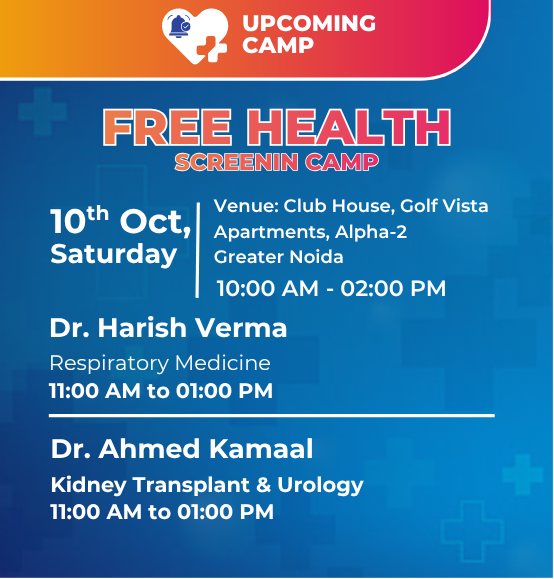
Dr. Harish Kumar Verma
Director - (Pulmonary Medicine & Critical Care)
Institute of Respiratory Medicine
Experience: 18+ Years

Dr. Abhijeet Singh
Associate Director & Unit Head - (Respiratory Medicine)
Institute of Respiratory Medicine
Experience: 18+ Years

Dr. Devendra Kumar Singh
Senior Consultant - (Respiratory Medicine)
Institute of Respiratory Medicine
Experience: 20+ Years

Dr. (Prof) Sonisha Gupta
Senior Consultant - (Respiratory Medicine)
Institute of Respiratory Medicine
Experience: 22+ Years
Real Patients, Real Stories
Health Blogs
Asthma Triggers in Seasonal Changes and Respiratory Care
OverviewSeasonal changes can noticeably shift temperature, humidity, air quality, and exposure to environmental irritants. For people with asthma or s...
READ MORE
19 Sep 2026
byShardaCare - Healthcity
Respiratory Infections Symptoms Causes and Prevention
OverviewRespiratory infections are illnesses that affect the nose, throat, airways, or lungs. They are among the most common health problems during se...
READ MORE
31 Aug 2026
byShardaCare - Healthcity

Advanced Respiratory Care
Advanced Respiratory Care
Breathing and restful sleep are two of the most important functions of life, yet millions of people suffer fr...
READ MORE
28 Mar 2026
byShardaCare - Healthcity

Asthma and Allergy Comprehensive Care
Asthma and Allergy Comprehensive CareBreathing freely is something many people take for granted, but for those living with asthma or allergies, every ...
READ MORE
26 Mar 2026
byShardaCare - Healthcity
Lung Cancer Advanced Diagnosis & Treatment
Lung Cancer: Advanced Diagnosis & Treatment
Lung cancer is one of the most common and serious forms of cancer, affecting thou...
READ MORE
24 Mar 2026
byShardaCare - Healthcity

Healthy Lungs Common Issues Treatment and Prevention
OverviewHealthy lungs are essential for effortless breathing and overall well-being, yet we often ignore early symptoms of lung issues until they beco...
READ MORE
23 Jan 2026
byShardaCare - Healthcity

Respiratory Medicine Expert Care for Better Breathing
OverviewBreathing feels effortless when our lungs are healthy, yet we notice every breath when they are not. Cough, wheeze, chest tightness, or a sudd...
READ MORE
26 Sep 2025
byShardaCare - Healthcity

World Lung Cancer Day 2025 Awareness Early Detection
OverviewEvery year, August 1 marks World Lung Cancer Day, a day dedicated to spreading awareness about one of the deadliest cancers globally. Lung can...
READ MORE
31 Jul 2025
byShardaCare - Healthcity
