
Psoriasis
Eczema
Dermatitis
Vitiligo Surgery & Biopsies
RFA & Cryotherapy
Chemical Peels & PRP
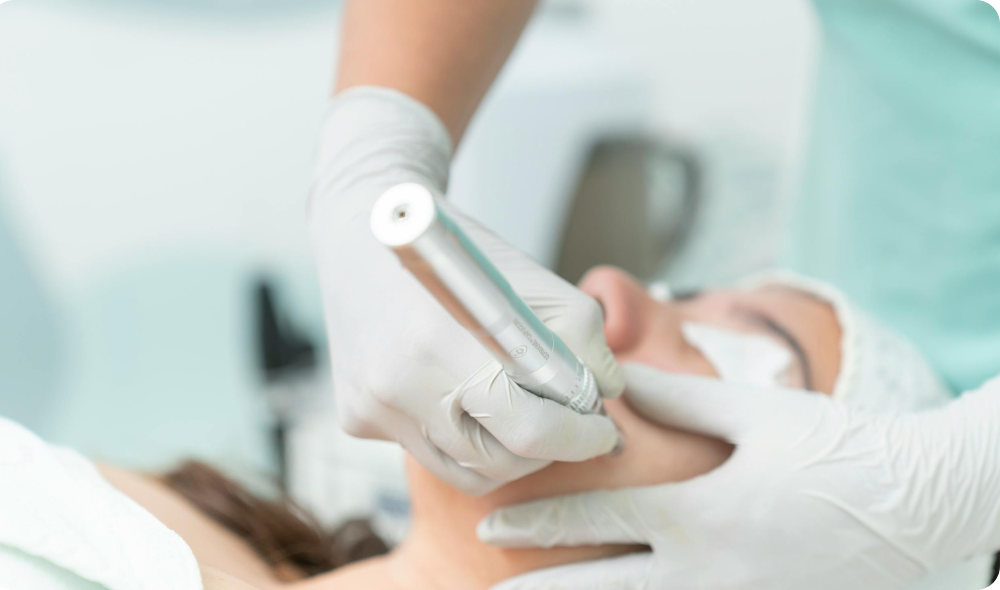
Microneedling & Lasers
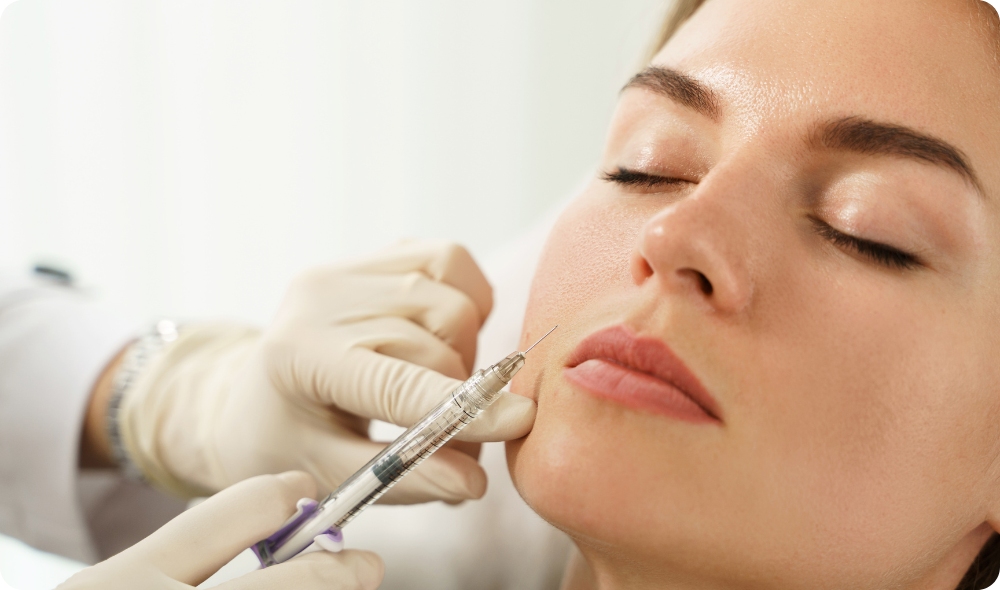
Botox & Fillers
Scar Revision & Acne Treatment
Centre of Dermatology
Overview
The Centre of Dermatology provides comprehensive care for conditions affecting the skin, hair, nails, sweat glands, mucous membranes, and cosmetic skin health. Dermatology covers both medical and procedural care, from common concerns such as acne, eczema, fungal infections, and hair fall to complex conditions such as psoriasis, autoimmune skin disease, severe allergies, chronic wounds, and skin cancer.
Healthy skin is important for protection, temperature control, infection prevention, appearance, and overall wellbeing. Timely dermatology care helps relieve symptoms, prevent complications, and improve quality of life.
What Is Dermatology?
Dermatology is the medical specialty that diagnoses and treats diseases of the skin, hair, and nails. A dermatologist evaluates rashes, infections, pigmentation, allergy-related skin problems, hair loss, nail disease, and cosmetic concerns.
Common areas of care include:
Acne and acne scars
Eczema and dermatitis
Psoriasis
Fungal, bacterial, viral, and parasitic skin infections
Hair loss and scalp disorders
Nail infections and nail changes
Skin allergies and urticaria
Pigmentation disorders such as melasma and vitiligo
Warts, skin tags, moles, and cysts
Chronic itching
Autoimmune and blistering skin diseases
Paediatric dermatology
Skin cancer screening
Cosmetic dermatology and laser-based treatments
Causes and Risk Factors
Skin conditions may occur due to infection, allergy, genetics, hormones, immune system changes, environmental exposure, medicines, or lifestyle factors.
Common risk factors include:
Family history of skin disease
Sensitive or allergy-prone skin
Excessive sun exposure
Poor skin hygiene or excessive harsh cleansing
Diabetes or weak immunity
Hormonal changes
Stress and poor sleep
Exposure to chemicals, cosmetics, or irritants
Contact with infected skin, animals, or contaminated surfaces
Humid weather and sweating
Certain medicines
Smoking or poor nutrition
Identifying triggers is important for preventing recurrence, especially in eczema, urticaria, acne, and fungal infections.
Symptoms
Skin, hair, and nail problems may appear in many ways. Persistent or worsening symptoms should be evaluated by a dermatologist.
Common symptoms include:
Rash, redness, or swelling
Itching, burning, or pain
Pimples, blackheads, or cystic acne
Dry, cracked, or scaly skin
White, dark, or uneven skin patches
Hair fall or bald patches
Dandruff or scalp itching
Thick, discoloured, or brittle nails
Blisters, boils, or pus-filled lesions
Warts, moles, or changing skin growths
Non-healing wounds
Recurrent fungal infections
Hives or sudden skin swelling
Urgent care is needed for rapidly spreading rash, facial or lip swelling, breathing difficulty, severe skin peeling, high fever with rash, painful blisters, infected wounds, or a mole that changes rapidly.
Diagnosis
Diagnosis begins with a detailed skin examination and review of symptoms, triggers, medicines, allergies, lifestyle, and medical history.
Common diagnostic methods include:
Clinical skin, hair, and nail examination
Dermoscopy for moles, pigmentation, and hair/scalp assessment
Skin scraping or microscopy for fungal infections
Wood’s lamp examination in selected pigmentation or infection cases
Patch testing for suspected contact allergy
Blood tests for autoimmune, hormonal, nutritional, or infection-related causes
Skin culture when bacterial infection is suspected
Skin biopsy for unclear, severe, or suspicious lesions
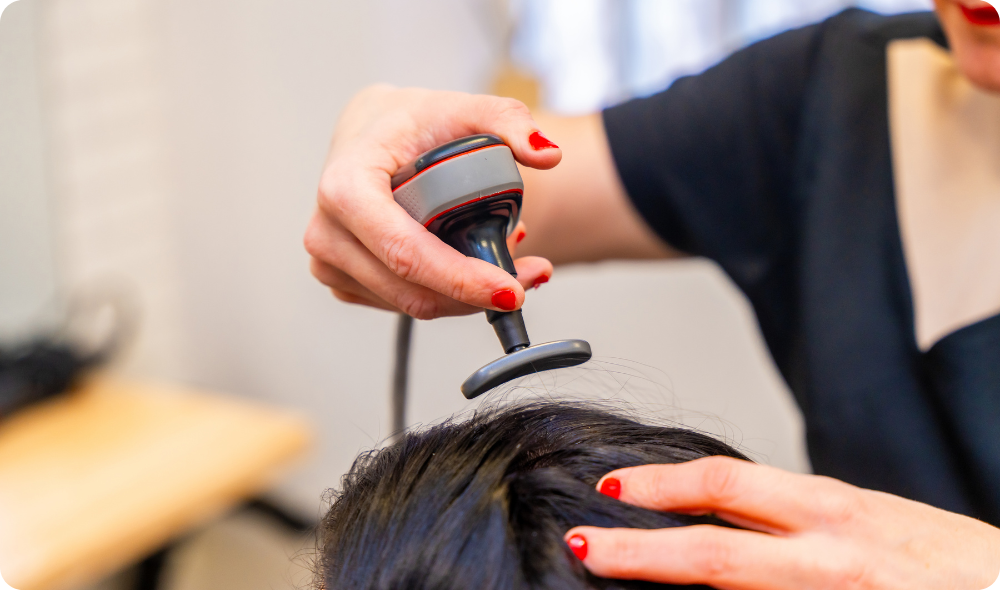
Hair pull test, scalp examination, or trichoscopy for hair loss
Nail clipping or culture for nail infections
Correct diagnosis helps avoid unnecessary creams, antibiotics, or steroid misuse.
Treatment Options
Treatment depends on the condition, severity, age, skin type, medical history, and patient goals.
Dermatology care may include:
Topical creams, ointments, gels, or medicated shampoos
Oral medicines for infections, acne, allergy, inflammation, or autoimmune disease
Moisturiser and barrier-repair guidance
Sunscreen and photoprotection advice
Acne treatment and scar management
Antifungal, antibacterial, or antiviral treatment
Steroid and non-steroid anti-inflammatory medicines when appropriate
Hair loss treatment and nutritional correction
Wart, mole, cyst, or skin tag removal when indicated
Cryotherapy, chemical peels, lasers, or light-based treatments in selected cases
Biopsy or excision of suspicious skin lesions
Long-term treatment plans for chronic diseases such as psoriasis, eczema, vitiligo, and autoimmune skin disorders
Patients should avoid using strong steroid creams, fairness creams, or mixed over-the-counter skin products without medical advice.
Prevention and Outlook
Many skin problems can be reduced through gentle cleansing, regular moisturising, sun protection, avoiding known allergens or irritants, not sharing towels or personal items, wearing breathable clothing, controlling diabetes, and seeking early care for infections or changing skin lesions.
The outlook depends on the condition. Many skin infections and acne-related problems improve with proper treatment. Chronic conditions such as eczema, psoriasis, vitiligo, and hair loss may need long-term care, but symptoms can often be controlled effectively with regular follow-up.
Frequently Asked Questions
When should I see a dermatologist?
You should see a dermatologist for persistent rash, acne, itching, hair fall, nail changes, pigmentation, recurrent infections, non-healing wounds, or changing moles.Is eczema contagious?
No. Eczema is not contagious. It is usually related to skin sensitivity, genetics, immune response, and environmental triggers.Can acne be treated permanently?
Acne can often be controlled very well, but some people need long-term maintenance treatment to prevent recurrence and scarring.Are fungal infections common?
Yes. Fungal infections are common, especially in warm, humid areas or skin folds. Proper treatment and hygiene help prevent recurrence.When is a mole concerning?
A mole should be checked if it changes in size, shape, colour, bleeds, itches, becomes painful, or looks different from other moles.Can dermatology help with hair fall?
Yes. Dermatologists evaluate causes such as genetics, hormones, nutritional deficiency, stress, scalp disease, medicines, and autoimmune conditions before planning treatment.
Get a call back from our
Health expert
Looking for an Expert
ShardaCare – Healthcity is home to some of the most eminent doctors in the world.
Find a DoctorOur Medical Experts

Dr. Kusum Gupta
Consultant - (Dermatology)
Centre of Dermatology
Experience: 9+ Years

Dr. Shitij Goel
Senior Consultant - (Dermatology)
Centre of Dermatology
Experience: 21+ Years
Real Patients, Real Stories
Health Blogs
Summer Skincare Routine Keep Your Skin Healthy
OverviewSummer brings sunshine, outdoor activities & longer days, but it also comes with skincare challenges. During the summer, a combination of ...
READ MORE
6 Feb 2026
byShardaCare - Healthcity

10 Essential Health Screenings After Turning 30
OverviewEntering your 30s marks a new chapter in your life and healthcare journey; you have many responsibilities on your shoulders. A more proactive ...
READ MORE
2 Feb 2026
byShardaCare - Healthcity

Importance of Annual Health Checkups
Importance of Annual Health Checkups
Nowadays, our lifestyle has become very hectic and overburdened, leading to serious health problem...
READ MORE
29 Jan 2026
byShardaCare - Healthcity
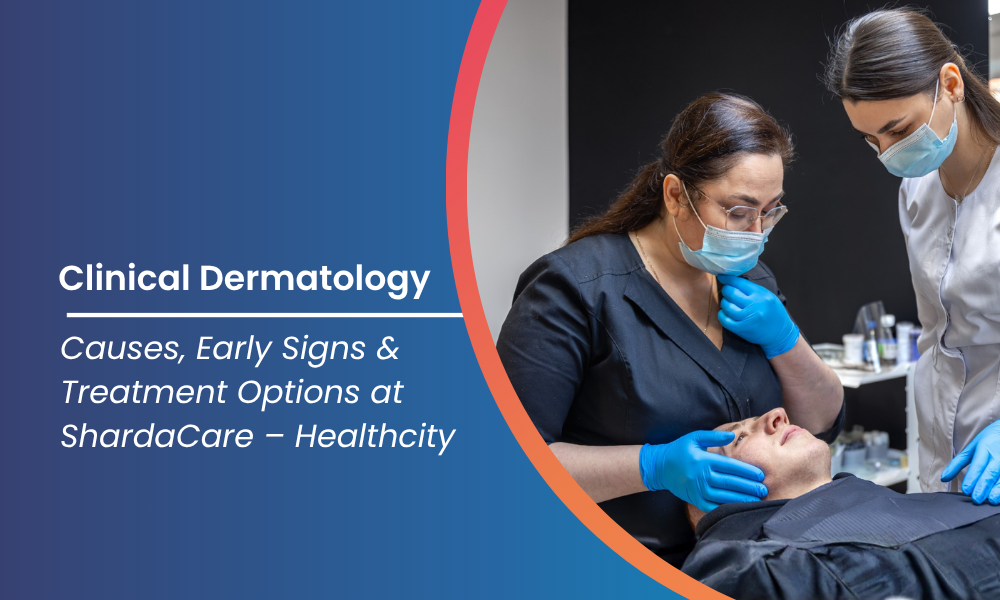
Clinical Dermatology Skin Hair and Nail Care
Clinical Dermatology Care at ShardaCare – Healthcity: Healing Skin with Science and Compassion
Our skin is not just the body’s largest ...
READ MORE
29 Oct 2025
byShardaCare - Healthcity
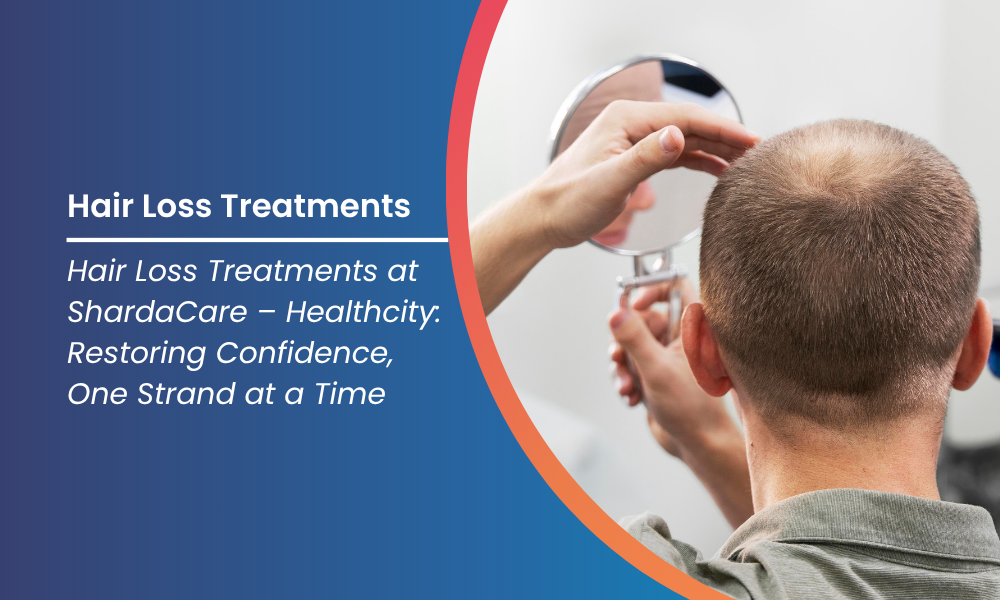
Hair Loss Treatment Causes Signs and Options
OverviewHair is more than just a part of our appearance - it reflects health, personality, and confidence. For both men and women, hair loss can be em...
READ MORE
29 Oct 2025
byShardaCare - Healthcity
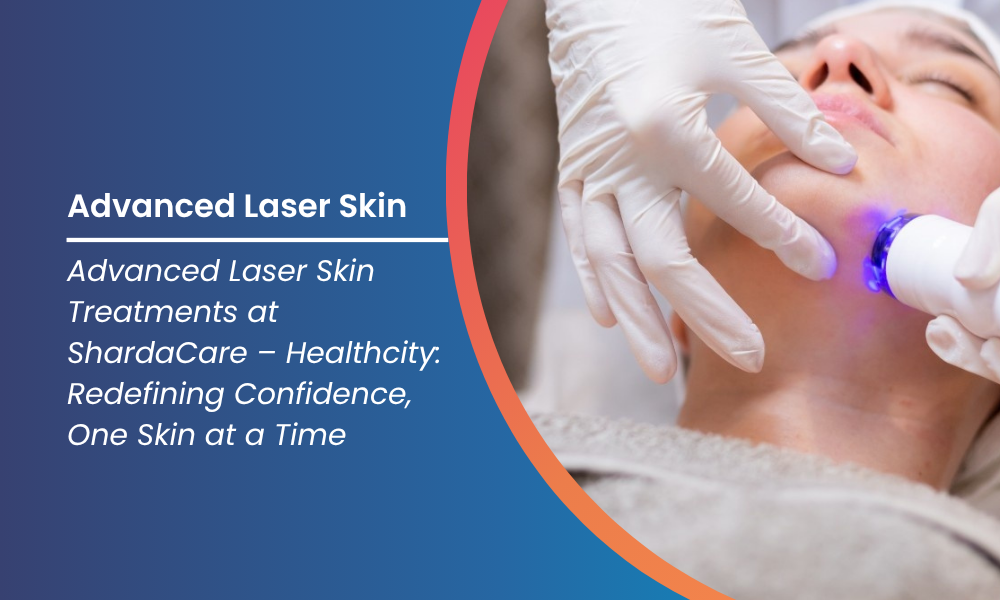
Advanced Laser Skin Treatments for Clearer Skin
OverviewHealthy, glowing skin isn’t just about beauty - it’s about confidence, self-care, and overall well-being. Over time, factors like pollution, s...
READ MORE
28 Oct 2025
byShardaCare - Healthcity
