
Asymmetry of Face
Face Deformity Surgery
Face Re-Sculpting / Orthognathic Surgery
Rhinoplasty (Nose job)
Genioplasty (Chin enhancement surgery)
TM Joint Problems (TMJ)
Total TM Joint Replacement
Surgery for Reduced mouth opening
Facial Nerve Paralysis Surgery
Micrognathia/ Microgenia
Craniofacial Trauma
Tumors of Jaw and Face
Orofacial Reconstruction
Cleft Lip and Palate
Oral Cancer

Institute of Cranio Maxillo Facial Surgery
Overview
The Institute of Cranio Maxillo Facial Surgery provides specialised surgical care for conditions affecting the face, jaws, mouth, skull, facial bones, and related soft tissues. It focuses on restoring function, facial balance, appearance, speech, chewing, breathing, and quality of life.
Cranio maxillo facial conditions may result from trauma, birth defects, jaw deformities, tumours, infections, dental-facial problems, or previous surgery. Expert evaluation and precise surgical planning are important because the face involves vital structures such as the eyes, airway, nerves, teeth, jaws, and brain.
What Is Cranio Maxillo Facial Surgery?
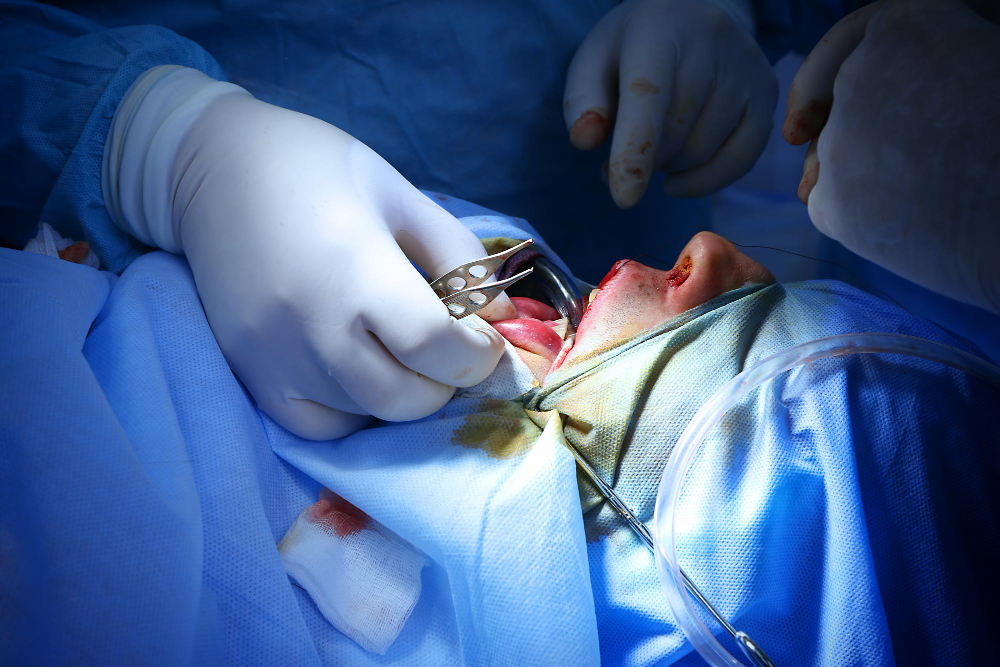
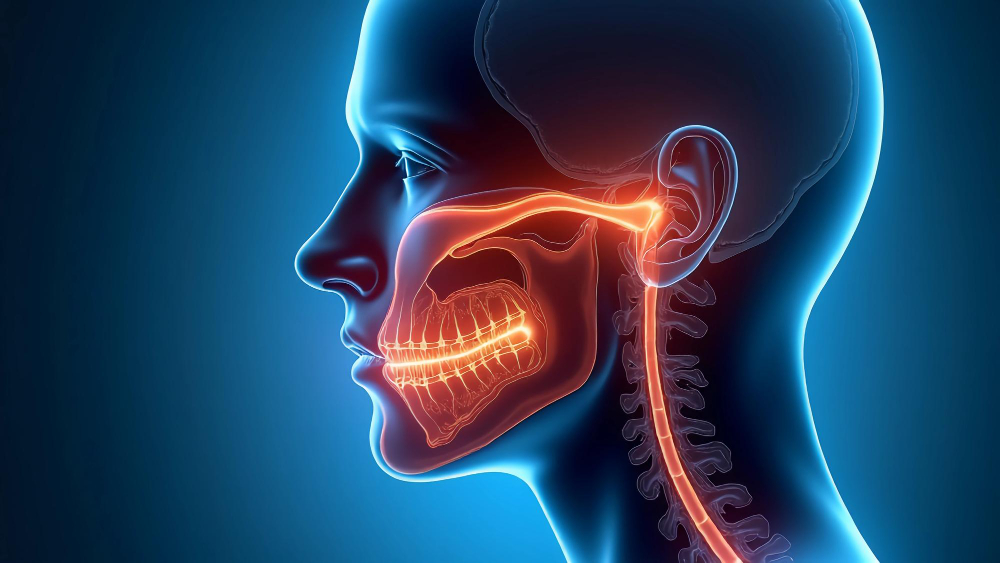
Cranio Maxillo Facial Surgery is a specialised field that treats disorders of the skull, face, jaws, oral cavity, and facial soft tissues. It often requires coordination between maxillofacial surgeons, plastic surgeons, neurosurgeons, ENT specialists, orthodontists, dentists, anaesthesiologists, radiologists, and rehabilitation teams.
Common areas of care include:
Facial trauma and fracture repair
Jaw fracture treatment
Corrective jaw surgery, also called orthognathic surgery
Cleft lip and palate care
Craniofacial deformity correction
TMJ disorders and facial pain
Facial reconstruction after tumour surgery
Oral, jaw, and facial infection management
Dental implant-related surgical support
Wisdom tooth and impacted tooth surgery
Facial asymmetry correction
Skull and facial bone reconstruction
Soft tissue injury repair of the face and mouth
The goal is to restore both function and appearance with safe, personalised surgical care.
Causes and Risk Factors
Patients may need cranio maxillo facial surgery due to injury, developmental conditions, infection, tumours, or jaw alignment problems.
Common causes and risk factors include:
Road traffic accidents
Sports or workplace injuries
Falls or facial trauma
Birth defects such as cleft lip, cleft palate, or craniosynostosis
Abnormal jaw growth
Misaligned bite or facial asymmetry
Oral or facial tumours
Infection of teeth, jaw, or facial spaces
Previous surgery or radiation therapy
TMJ injury or degeneration
Poor dental health
Tobacco use, diabetes, or weak immunity affecting healing
Early treatment is important in facial trauma, infection, and airway-related conditions.
Symptoms
Symptoms depend on the area involved and the underlying condition.
Common symptoms include:
Facial pain, swelling, or deformity
Difficulty chewing or biting
Misaligned teeth or jaws
Jaw pain, clicking, or locking
Difficulty opening the mouth
Facial numbness or weakness
Bleeding from the mouth or face after injury
Broken or displaced teeth
Double vision or eye movement problems after facial injury
Difficulty breathing through the nose or mouth
Cleft-related feeding or speech concerns
Non-healing mouth ulcer or facial wound
Pus, fever, or swelling from dental or facial infection
Urgent care is needed for facial injury with bleeding, breathing difficulty, vision changes, severe swelling, jaw locking, suspected fracture, spreading facial infection, or altered consciousness after trauma.
Diagnosis
Diagnosis begins with medical history, facial examination, dental and bite assessment, and evaluation of breathing, vision, nerve function, jaw movement, and soft tissue injury.
Common diagnostic methods include:
Clinical facial and oral examination
Dental and occlusion assessment
X-rays for teeth, jaws, or facial bones
CT scan for facial fractures, jaw deformity, or skull-facial planning
3D imaging and virtual surgical planning in selected cases
MRI for TMJ, soft tissue, or tumour-related evaluation
Biopsy for suspicious oral or facial lesions
Dental impressions or digital scans for jaw surgery planning
Eye, ENT, neurosurgery, or orthodontic evaluation when needed
Blood tests before surgery or when infection is suspected
Accurate diagnosis helps plan whether treatment should be medical, dental, orthodontic, surgical, or reconstructive.
Treatment Options
Treatment depends on the diagnosis, severity, age, function, appearance, and patient safety.
Cranio maxillo facial care may include:
Wound cleaning, suturing, and soft tissue repair
Facial fracture fixation using plates and screws
Jaw fracture stabilisation
Corrective jaw surgery for bite and jaw alignment
Cleft lip and palate repair with long-term speech and dental support
TMJ treatment with medicines, splints, physiotherapy, injections, or surgery in selected cases
Drainage and treatment of facial or dental infections
Removal of impacted teeth or oral lesions
Facial reconstruction after trauma, tumour surgery, or congenital deformity
Bone grafting or implant-related surgical procedures
Microsurgical reconstruction in selected complex cases
Orthodontic and dental coordination before and after jaw surgery
Some conditions require staged treatment over months or years, especially cleft care, craniofacial deformities, and corrective jaw surgery.
Prevention and Outlook
Many facial injuries can be reduced by using helmets, seat belts, sports mouthguards, workplace protection, and safe driving practices. Good oral hygiene, regular dental care, diabetes control, and early treatment of dental infections can reduce the risk of serious facial infections.
The outlook depends on the condition, severity, timing of treatment, and overall health. Many facial fractures, jaw problems, cleft conditions, and reconstructive needs can be treated effectively with modern surgical planning, multidisciplinary care, and rehabilitation support.
Frequently Asked Questions
What does a cranio maxillo facial surgeon treat?
They treat conditions involving the face, jaws, mouth, facial bones, skull, soft tissues, bite alignment, facial trauma, cleft conditions, and facial reconstruction.Is maxillofacial surgery only dental surgery?
No. It includes dental-related surgery, but also facial trauma, jaw correction, facial deformity, TMJ care, oral pathology, and reconstructive surgery.When is corrective jaw surgery needed?
Corrective jaw surgery may be needed when jaw misalignment affects chewing, speech, breathing, facial balance, or bite function and cannot be corrected with orthodontics alone.How are facial fractures treated?
Treatment may include observation, medicines, soft diet, jaw stabilisation, or surgery with plates and screws, depending on fracture type and displacement.Is craniofacial surgery painful?
Pain is usually controlled with anaesthesia during surgery and medicines after surgery. Swelling and bruising are common and improve gradually.Will facial surgery leave scars?
Many procedures are done through incisions inside the mouth or hidden natural creases when possible. Visible scarring depends on injury type, surgical approach, and healing.
Get a call back from our
Health expert
Looking for an Expert
ShardaCare – Healthcity is home to some of the most eminent doctors in the world.
Find a DoctorOur Medical Experts

Dr. Rohit Punga
Director & Unit Head - (Cranio Maxillo-Facial Surgery)
Institute of Cranio Maxillo Facial Surgery
Experience: 15+ Years
