

Comprehensive Ophthalmology
Cataract Surgery (SICS & Phacoemulsification)
Glaucoma Diagnosis & Management
Medical Retina
Oculoplasty Procedures
Anterior Segment Disorders
Emergency Ophthalmic Care (Military & Civilian)
Ophthalmic Teaching & Training
Medical Education and Academic Administration
Clinical Research & Paper Presentations

Institute of Ophthalmology
Overview
The Institute of Ophthalmology provides comprehensive care for diseases and conditions affecting the eyes, vision, eyelids, tear ducts, orbit, and related structures. It focuses on prevention, early diagnosis, medical treatment, advanced eye surgery, vision correction, and long-term eye health.
Eye problems may range from refractive errors, dry eyes, allergies, and cataracts to complex conditions such as glaucoma, diabetic retinopathy, retinal detachment, corneal disease, eye trauma, and paediatric eye disorders. Timely eye care can help protect vision and prevent avoidable blindness.
What Is Ophthalmology?
Ophthalmology is the medical and surgical specialty that deals with eye health and vision care. An ophthalmologist diagnoses and treats eye diseases, prescribes medicines and glasses when needed, performs eye surgeries, and manages vision-threatening conditions.
Common areas of care include:
Cataract diagnosis and surgery
Glaucoma evaluation and treatment
Retina and vitreous disorders
Diabetic eye disease
Cornea and ocular surface disease
Dry eye and allergic eye disease
Refractive errors and vision correction
Squint, lazy eye, and paediatric eye care
Oculoplasty and eyelid disorders
Uveitis and eye inflammation
Neuro-ophthalmology
Eye trauma and emergency eye care
Low vision support and rehabilitation
The goal is to preserve sight, improve visual function, and support quality of life.
Causes and Risk Factors
Eye diseases may occur due to ageing, genetics, infection, injury, diabetes, high blood pressure, inflammation, lifestyle factors, or long-term strain on the eyes.
Common risk factors include:
Increasing age
Diabetes or high blood pressure
Family history of glaucoma or retinal disease
Eye injury or previous eye surgery
Long-term steroid use
Smoking
Excessive sun exposure without eye protection
Poorly controlled systemic disease
Premature birth in infants
High myopia
Contact lens misuse
Delayed treatment of eye infections or inflammation
People with diabetes, glaucoma risk, strong family history, or previous eye disease should have regular eye check-ups.
Symptoms
Eye symptoms should be evaluated early, especially when vision is affected.
Common symptoms include:
Blurred or reduced vision
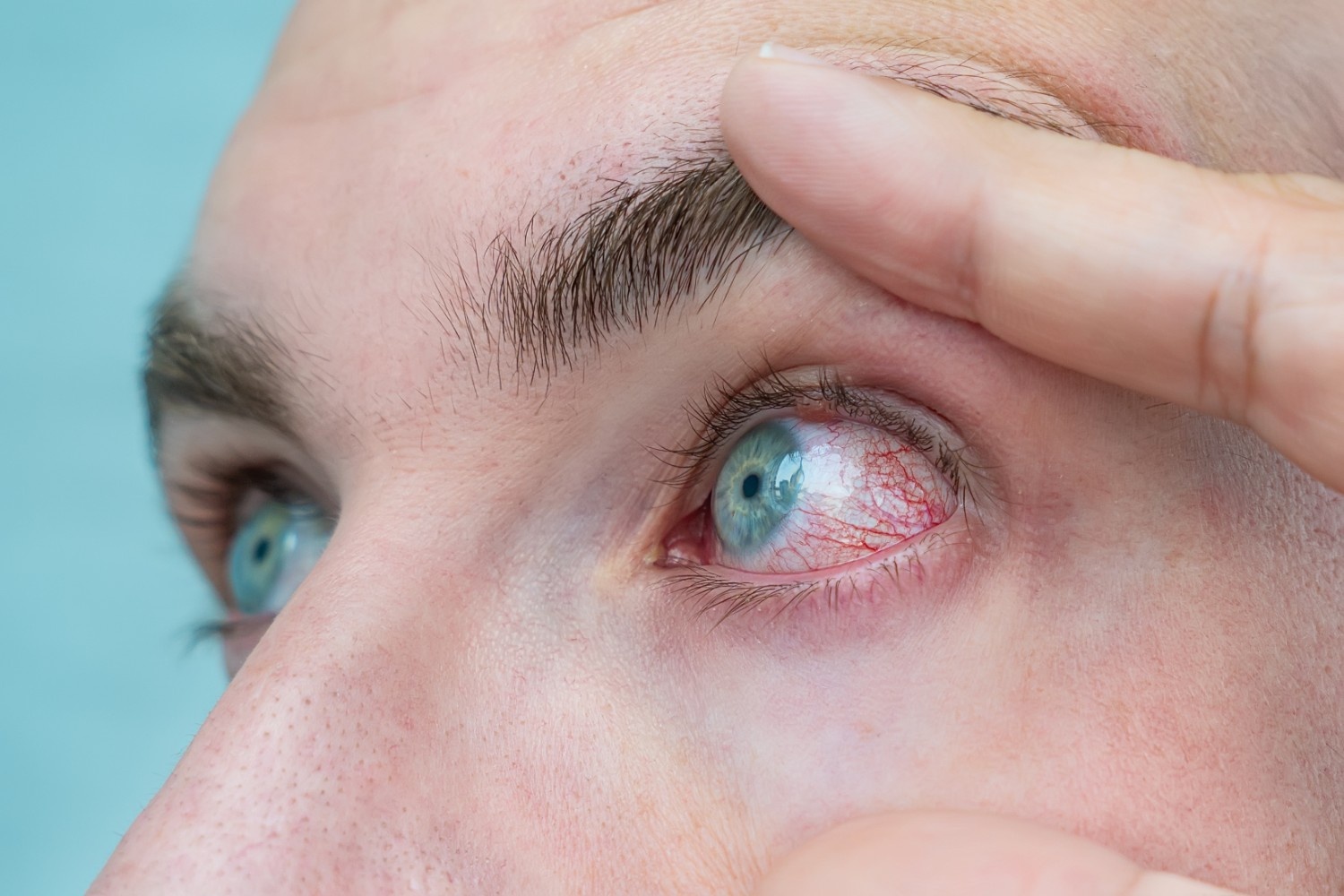
Eye pain or redness
Watering or dryness
Itching or burning sensation
Sensitivity to light
Floaters or flashes of light
Sudden loss of vision
Double vision
Halos around lights
Difficulty seeing at night
Headache with visual strain
Squinting or abnormal eye alignment
Swelling around the eye
Eye injury or foreign body sensation
Urgent eye care is needed for sudden vision loss, severe eye pain, eye injury, chemical exposure, flashes with new floaters, double vision, or redness with reduced vision.
Diagnosis
Diagnosis begins with a detailed eye examination and vision assessment. The tests recommended depend on symptoms, age, medical history, and suspected condition.
Common diagnostic methods include:
Visual acuity testing
Refraction for glasses or contact lenses
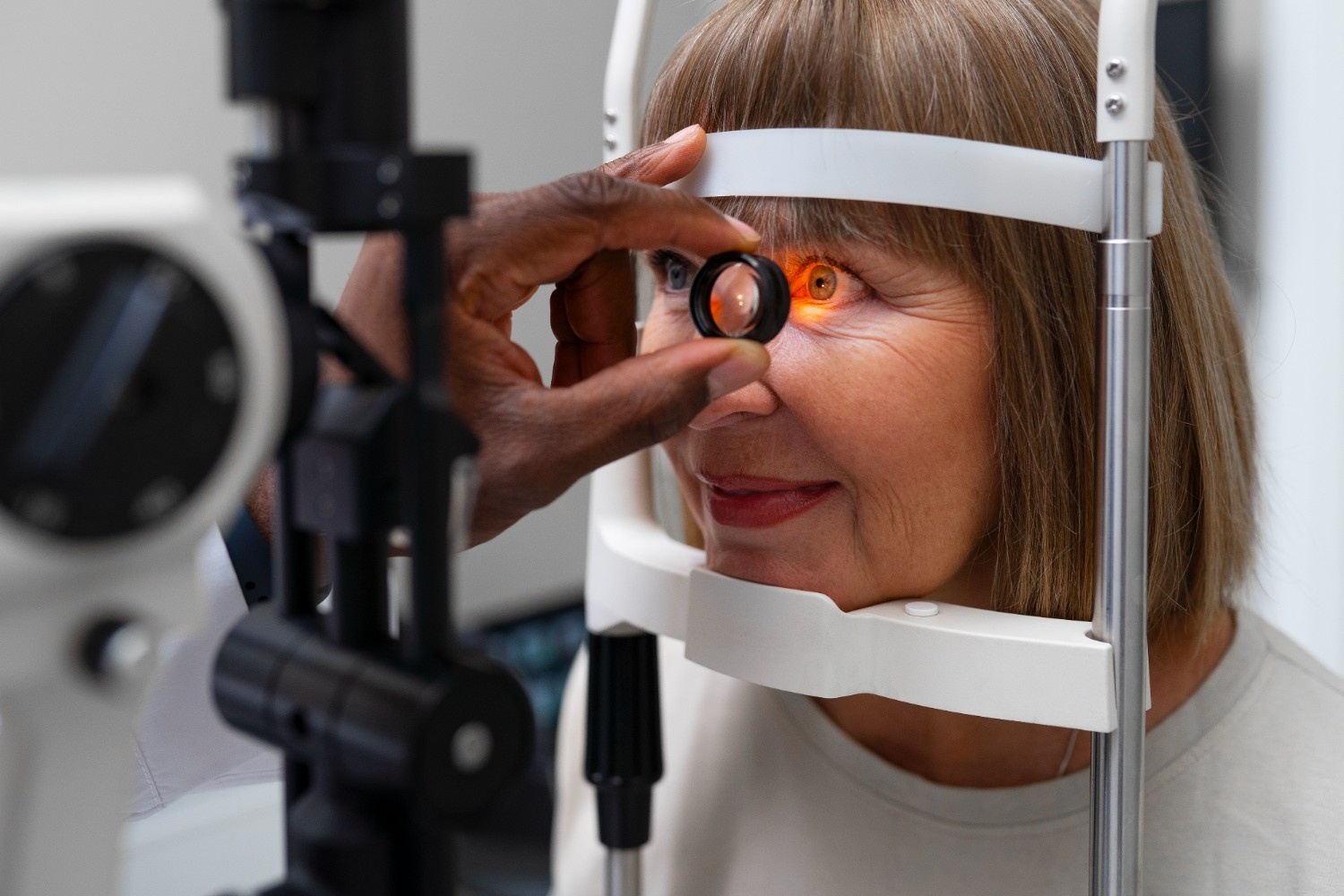
Slit-lamp examination
Eye pressure measurement
Dilated retinal examination
Fundus photography
Optical coherence tomography, also called OCT
Visual field testing for glaucoma and nerve disorders
Corneal topography in selected cases
Ultrasound eye scan when required
Fluorescein angiography or retinal imaging for vascular eye diseases
Paediatric vision and squint assessment
Blood sugar and systemic disease review when needed
Regular comprehensive eye exams help detect silent conditions such as glaucoma and diabetic retinopathy before major vision loss occurs.
Treatment Options
Treatment depends on the diagnosis, severity, age, vision needs, and overall health of the patient.
Ophthalmology care may include:
Prescription glasses or contact lenses
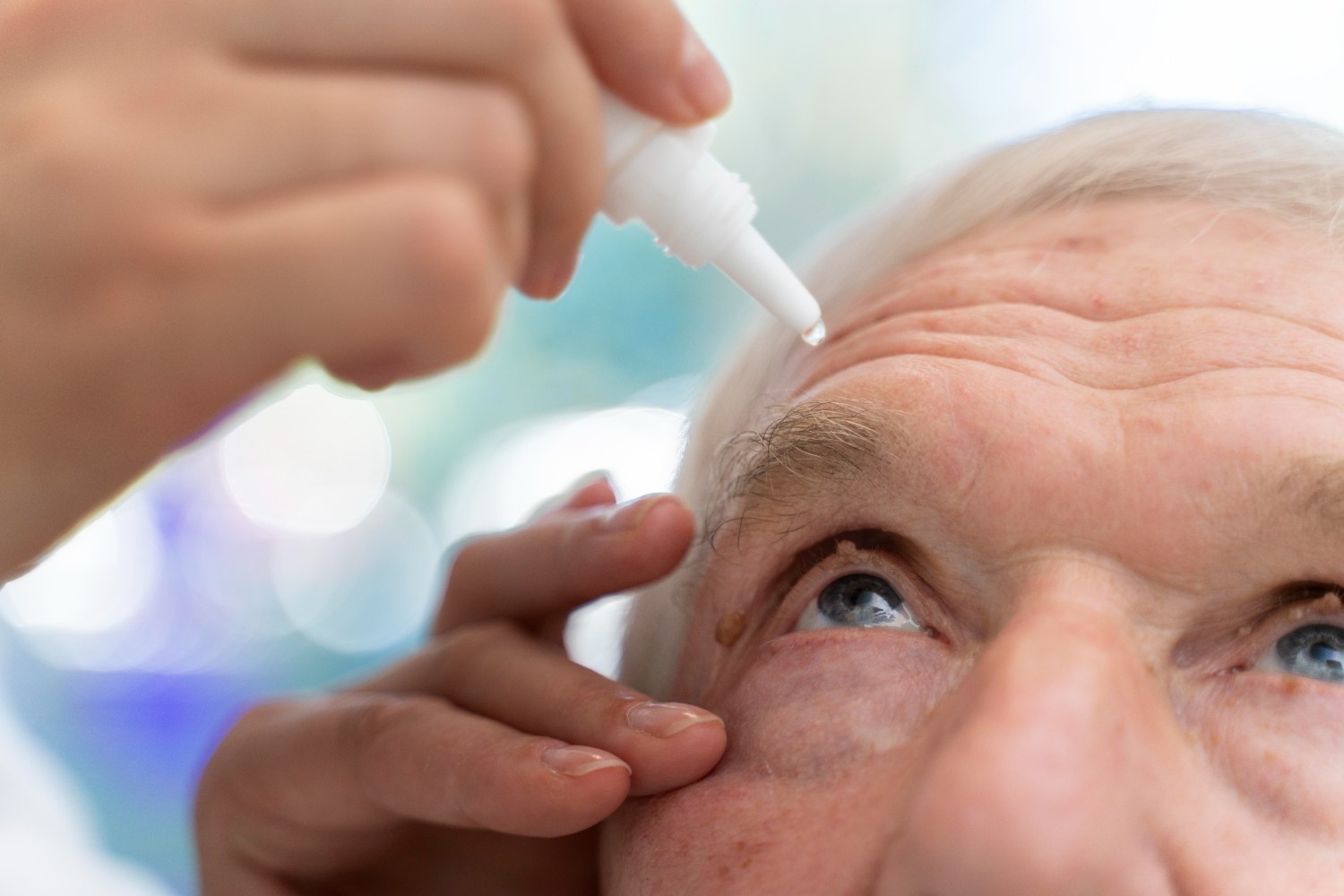
Eye drops or ointments for infection, allergy, dryness, glaucoma, or inflammation
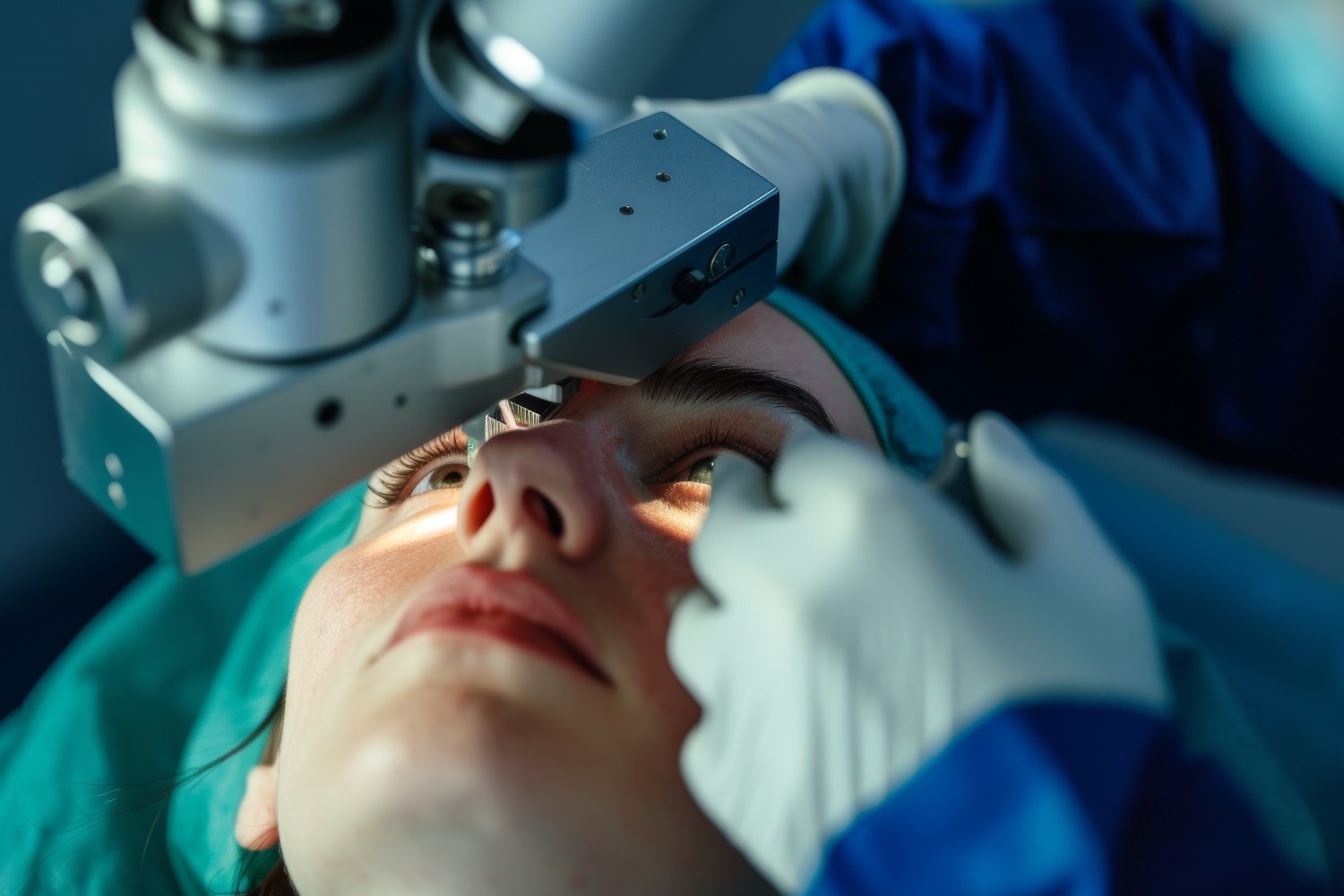
Cataract surgery with intraocular lens implantation
Laser treatment for glaucoma, retinal disease, or refractive correction in selected patients
Intravitreal injections for diabetic retinopathy, macular oedema, or age-related macular degeneration
Retinal surgery for retinal detachment, bleeding, or vitreous disorders
Corneal procedures, including transplant in selected cases
Squint correction and lazy-eye treatment in children
Eyelid, tear duct, and orbital surgery
Eye trauma repair and emergency treatment
Low vision aids and rehabilitation when vision cannot be fully restored
Early treatment improves the chance of preserving vision, especially in glaucoma, diabetic eye disease, retinal detachment, and infections.
Prevention and Outlook
Many eye problems can be prevented or detected early through regular eye check-ups, diabetes and blood pressure control, protective eyewear, safe contact lens hygiene, avoiding smoking, wearing UV-protective sunglasses, limiting eye strain, and seeking care promptly for injury, infection, or sudden vision changes.
The outlook depends on the condition and how early treatment begins. Cataracts, refractive errors, infections, and many retinal or glaucoma-related conditions can be managed effectively when diagnosed in time. Long-term follow-up is important for chronic eye diseases that may progress silently.
Frequently Asked Questions
When should I see an ophthalmologist?
You should see an ophthalmologist for blurred vision, eye pain, redness, floaters, flashes, double vision, eye injury, diabetes-related eye screening, glaucoma risk, or any sudden change in vision.Is cataract surgery safe?
Cataract surgery is commonly performed and generally safe when done by trained specialists. As with any surgery, risks exist and should be discussed with the eye surgeon.Can glaucoma be cured?
Glaucoma usually cannot be cured, but it can often be controlled with eye drops, laser treatment, or surgery to slow vision loss.Why do people with diabetes need eye exams?
Diabetes can damage retinal blood vessels without early symptoms. Regular dilated eye exams help detect diabetic retinopathy early and reduce the risk of vision loss.Are floaters always dangerous?
Many floaters are harmless, but sudden new floaters, flashes of light, or a curtain-like shadow over vision may suggest retinal tear or detachment and need urgent care.How often should I get an eye check-up?
The frequency depends on age, symptoms, diabetes, family history, glasses prescription, and eye disease risk. Your ophthalmologist can recommend the right schedule.
Get a call back from our
Health expert
Looking for an Expert
ShardaCare – Healthcity is home to some of the most eminent doctors in the world.
Find a DoctorOur Medical Experts

Dr. Poninder Kumar Dogra
Senior Consultant
Institute of Ophthalmology

Dr. Abha Gahlot
Senior Consultant
Institute of Ophthalmology