




Comprehensive Management of Stroke
Advanced Epilepsy Care & Seizure Disorders
Migraine & Chronic Headache Disorders
Parkinson's Disease & Movement Disorders
Multiple Sclerosis & Demyelinating Diseases
Alzheimer's Disease & Dementia Management
Neuropathy, Myopathy & Muscle Disorders
Complex Adult & Paediatric Epilepsies
Brain & Spine Infections (Meningitis, Encephalitis)
Vertigo & Balance Disorders
Neuro-critical Care & ICU Neurology
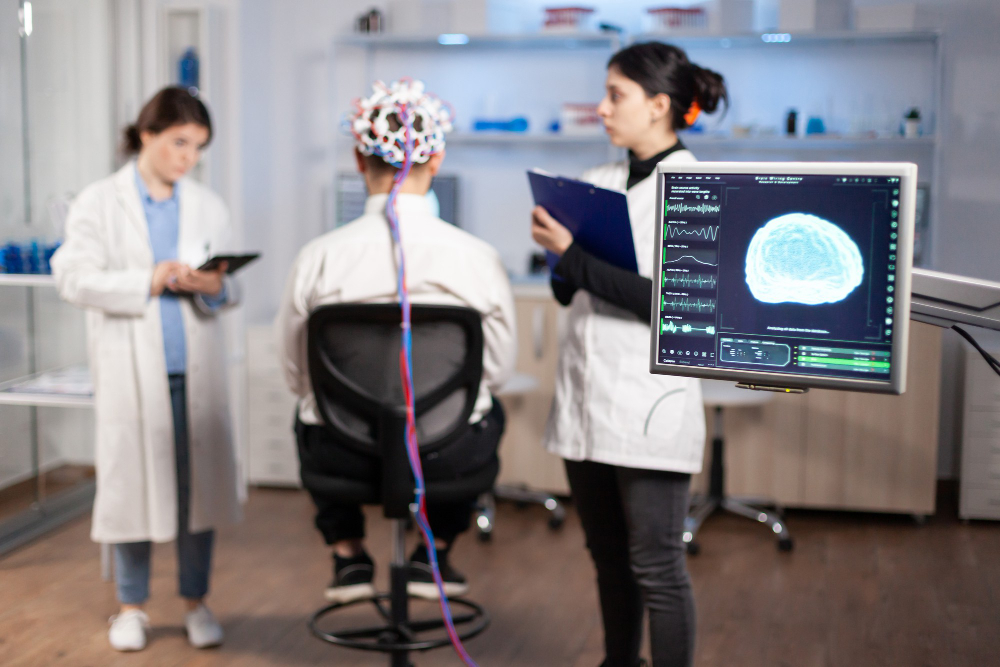
Electroencephalography (EEG) & Nerve
Conduction Studies (NCV/EMG)
Neuro-rehabilitation & Post-Stroke Recovery
Video EEG Monitoring & Presurgical Epilepsy Management

Institute of Neurosciences
Overview
The Institute of Neurosciences provides comprehensive care for disorders of the brain, spine, spinal cord, nerves, and muscles. It brings together interventional neuroradiology, neurology, neurosurgery, neuroradiology, neurocritical care, neurorehabilitation, and specialised diagnostic services under one coordinated system.
Neurological conditions can affect movement, sensation, memory, speech, balance, behaviour, sleep, and daily functioning. Early diagnosis and timely treatment are important because some neurological emergencies, such as stroke, seizures, brain injury, or spinal cord compression, require urgent care.
What Are Neurosciences?
Neurosciences is a multidisciplinary field focused on prevention, diagnosis, treatment, surgery, rehabilitation, and long-term management of nervous system disorders.
Common areas of care include:
Stroke and transient ischemic attack
Epilepsy and seizure disorders
Headache and migraine
Parkinson’s disease and movement disorders
Dementia and memory disorders
Multiple sclerosis and demyelinating diseases
Brain and spine tumours
Brain haemorrhage and aneurysms
Head injury and spinal trauma
Disc disease, sciatica, and spinal canal narrowing
Peripheral nerve and muscle disorders
Neuroinfections such as meningitis or encephalitis
Sleep-related neurological disorders
Paediatric neurological conditions when applicable
Neurocritical care and rehabilitation
The goal is to provide accurate diagnosis, advanced treatment, and recovery support tailored to each patient’s condition.
Causes and Risk Factors
Neurological disorders may develop due to blocked or bleeding blood vessels, injury, infection, inflammation, genetic factors, abnormal immune response, tumours, degeneration, or metabolic problems.
Common risk factors include:
High blood pressure
High cholesterol
Smoking or tobacco use
Obesity and physical inactivity
Family history of neurological disease
Head or spine injury
Infections affecting the nervous system
Autoimmune disease
Cancer or previous cancer treatment
Older age
Poor sleep, stress, or alcohol misuse
Nutritional deficiencies
Congenital or inherited conditions
Controlling vascular risk factors can reduce the risk of stroke and some forms of cognitive decline.
Symptoms
Neurological symptoms may appear suddenly or develop slowly over time. They should not be ignored, especially if they are new, severe, or worsening.
Common symptoms include:
Sudden weakness or numbness on one side of the body
Facial drooping or difficulty speaking
Severe or persistent headache
Seizures or loss of consciousness
Dizziness, imbalance, or falls
Memory loss or confusion
Tremors, stiffness, or slow movement
Neck pain, back pain, or pain radiating to the limbs
Tingling, numbness, or burning sensation
Vision changes or double vision
Difficulty swallowing
Loss of bladder or bowel control with spine symptoms
Changes in behaviour, sleep, or alertness
Emergency care is needed for stroke-like symptoms, sudden severe headache, new seizure, head injury, sudden vision loss, severe confusion, or weakness with loss of bladder or bowel control.
Diagnosis
Diagnosis begins with medical history, neurological examination, and tests selected according to symptoms and suspected condition. A neurological examination may assess memory, speech, vision, strength, sensation, reflexes, coordination, walking, and balance.
Common diagnostic methods include:
EEG for seizure evaluation
Nerve conduction study and EMG
Blood tests for infection, inflammation, vitamin deficiency, autoimmune disease, or metabolic causes
Cerebrospinal fluid testing through lumbar puncture in selected cases
CT or MR angiography for blood vessel assessment
Carotid Doppler and vascular studies
Neuropsychological testing for memory and cognition
Biopsy or genetic testing in selected complex cases
Accurate diagnosis helps decide whether treatment should be medical, surgical, endovascular, rehabilitative, or supportive.
Treatment Options
Treatment depends on the condition, severity, timing, and overall health of the patient.
Neuroscience care may include:
Medicines for stroke prevention, seizures, migraine, infection, inflammation, movement disorders, or nerve pain
Emergency stroke treatment in eligible patients
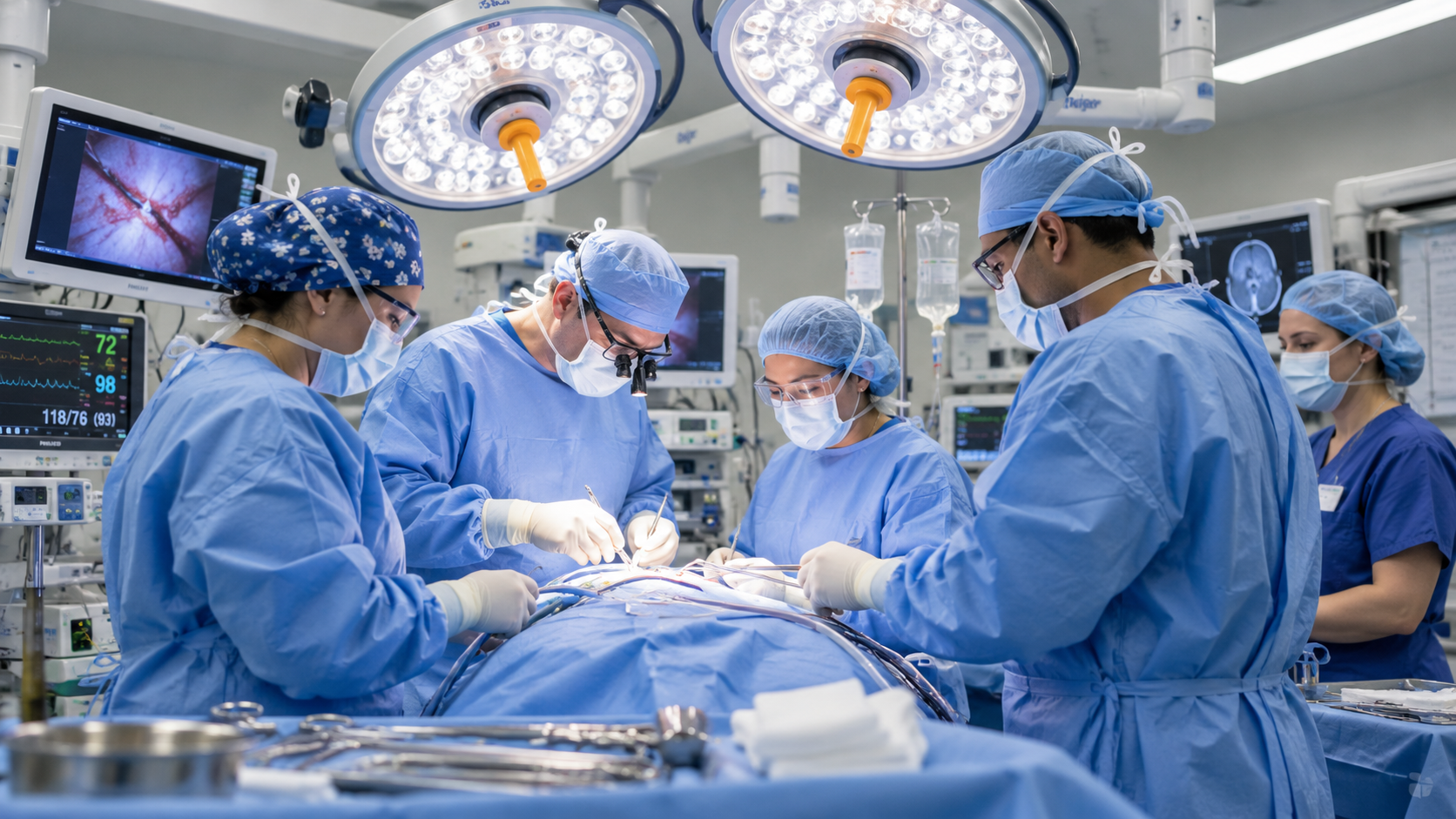
Neurosurgery for selected brain tumours, bleeding, trauma, hydrocephalus, spine compression, or aneurysms
Endovascular procedures for selected stroke, aneurysm, or vascular malformation cases
Deep brain stimulation for selected movement disorders
Neurocritical care for severe stroke, brain injury, seizures, infection, or postoperative monitoring
Physiotherapy, occupational therapy, speech therapy, and cognitive rehabilitation
Pain management and spine care
Long-term follow-up for chronic neurological conditions
Counselling and caregiver support
A coordinated team approach helps patients move from diagnosis to treatment, recovery, and long-term management.
Prevention and Outlook
Not all neurological conditions can be prevented, but risk can be reduced by controlling blood pressure, diabetes, cholesterol, and weight; avoiding tobacco; limiting alcohol; wearing helmets and seat belts; staying physically active; sleeping well; treating infections early; and seeking urgent care for stroke or seizure symptoms.
The outlook depends on the diagnosis, disease severity, age, treatment timing, and rehabilitation support. Many neurological conditions can be treated or controlled effectively, and early rehabilitation can improve recovery, independence, and quality of life.
Frequently Asked Questions
When should I see a neurologist?
You should consult a neurologist for seizures, persistent headaches, weakness, numbness, tremors, memory problems, dizziness, balance issues, nerve pain, or abnormal brain, spine, or nerve test results.What is the difference between neurology and neurosurgery?
Neurology focuses on diagnosis and medical treatment of nervous system disorders. Neurosurgery treats selected brain, spine, and nerve conditions through surgery or procedures.What are signs of a stroke?
Sudden facial drooping, arm weakness, speech difficulty, vision loss, severe dizziness, or sudden confusion can be signs of stroke and need emergency care.Are all headaches serious?
No. Most headaches are not dangerous, but sudden severe headache, headache with weakness, fever, seizures, confusion, vision loss, or after head injury needs urgent evaluation.Can neurological diseases be cured?
Some can be cured, some can be controlled, and others need long-term management. Early diagnosis helps improve outcomes.What is neurorehabilitation?
Neurorehabilitation includes physiotherapy, occupational therapy, speech therapy, cognitive therapy, and support to help patients recover function after stroke, injury, surgery, or neurological illness.
Get a call back from our
Health expert
Looking for an Expert
ShardaCare – Healthcity is home to some of the most eminent doctors in the world.
Find a DoctorOur Medical Experts

Dr. Atampreet Singh
Senior Director & Head - (Neurosciences)
Institute of Neurosciences
Experience: 25+ Years

Dr. Ravindra Srivastava
Director - (Neurosurgery)
Institute of Neurosciences
Experience: 23+ Years

Dr. Vishal Jain
Senior Consultant - (Neurosurgery)
Institute of Neurosciences
Experience: 23+ Years

Dr. Vivek Yadav
Director - (Neurosurgery)
Institute of Neurosciences
Experience: 16+ Years

Dr. Sujata K Dass
Attending Consultant - (Neurology)
Institute of Neurosciences
Experience: 13+ Years

Dr. Hompriya Issar
Senior Consultant - (Neurosurgery)
Institute of Neurosciences
Experience: 25+ Years
Real Patients, Real Stories
Health Blogs
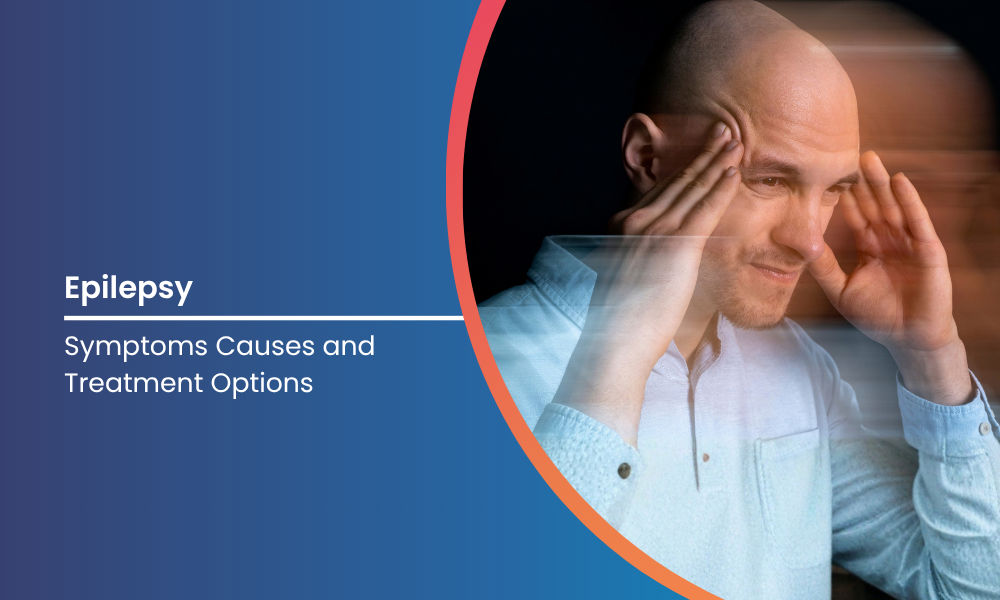
Epilepsy Symptoms Causes and Treatment Options
OverviewEpilepsy is a neurological condition that affects the brain and causes a tendency to have recurrent seizures. Although seizures are often asso...
READ MORE
30 Sep 2026
byShardaCare - Healthcity
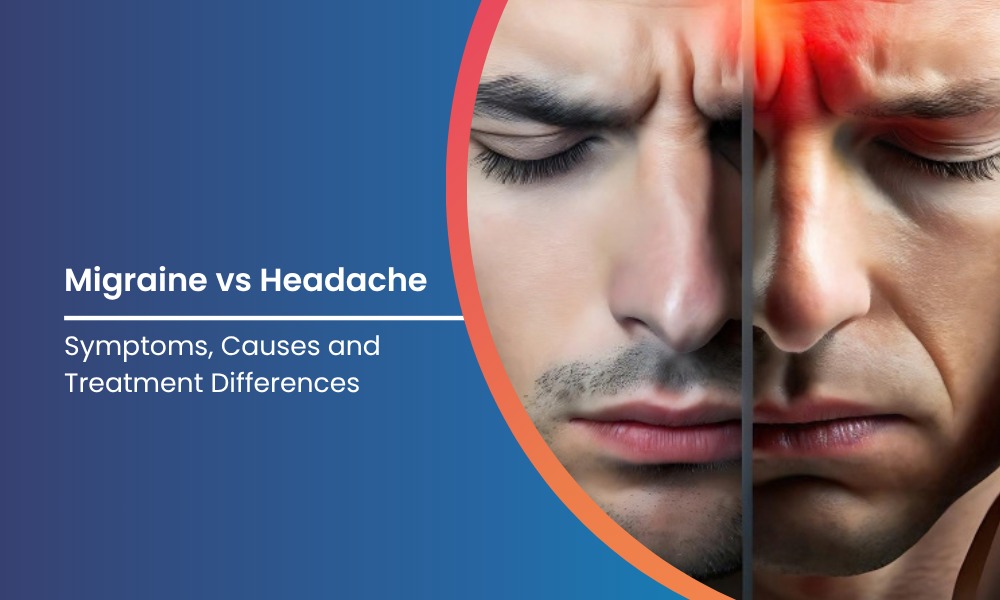
Migraine vs Headache Symptoms Causes Treatment
OverviewHeadache is one of the most common neurological complaints. Almost everyone experiences a headache at some point, but not every headache is th...
READ MORE
25 Sep 2026
byShardaCare - Healthcity
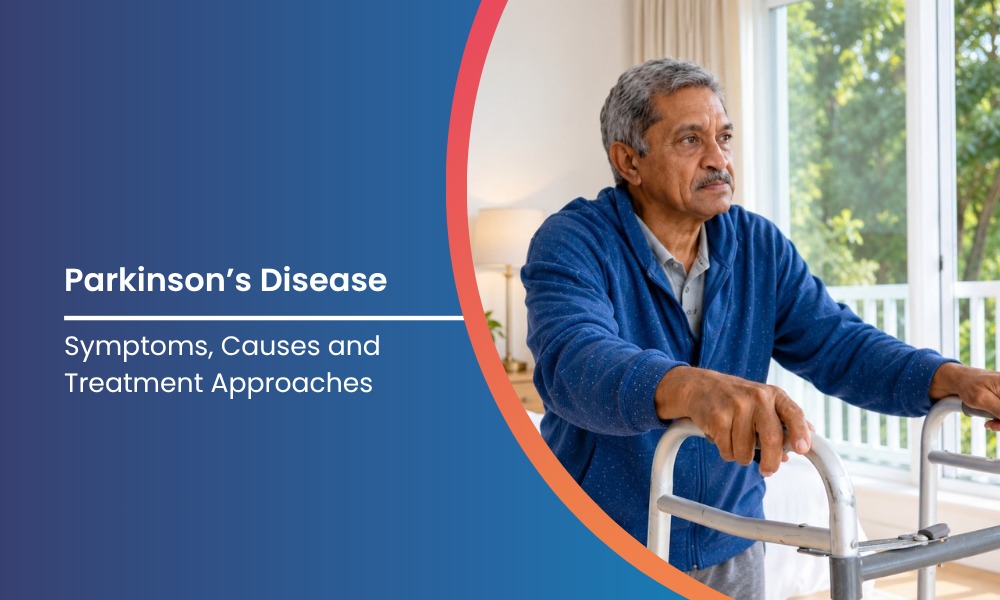
Parkinson’s Disease Symptoms and Treatment Guide
OverviewParkinson’s disease is a progressive neurological condition that primarily affects movement, but it can also influence mood, sleep, thinking a...
READ MORE
23 Sep 2026
byShardaCare - Healthcity
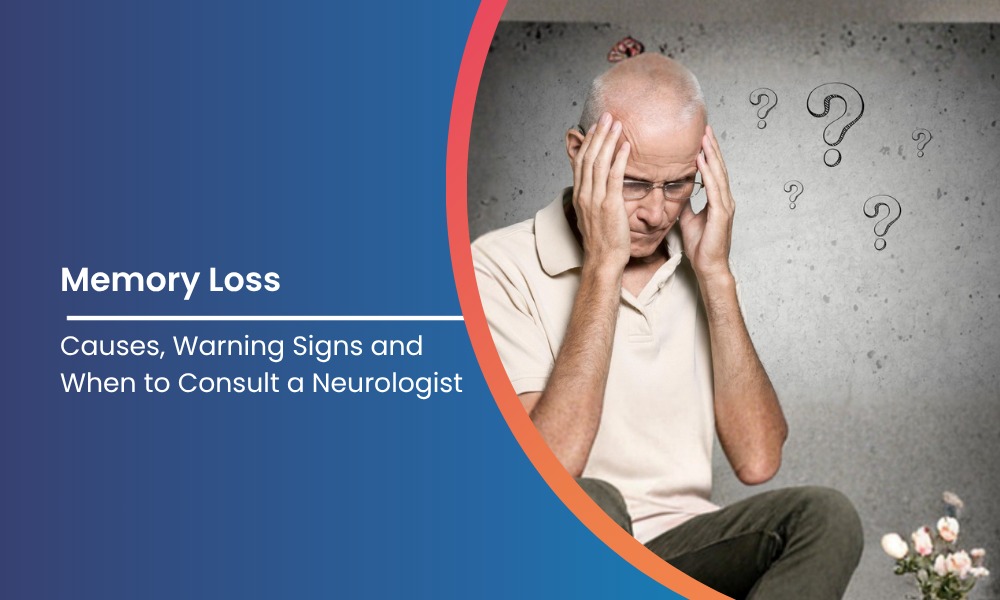
Memory Loss Causes Warning Signs and Neurological Care
OverviewMemory loss can be an occasional and harmless experience, but persistent or worsening forgetfulness may sometimes indicate an underlying medic...
READ MORE
12 Sep 2026
byShardaCare - Healthcity
Epilepsy: Advanced Diagnosis & Care
Epilepsy: Advanced Diagnosis & CareEpilepsy is one of the most common neurological disorders, affecting millions of people worldwide. Characterize...
READ MORE
31 Mar 2026
byShardaCare - Healthcity
Interventional Neuroradiology: Advanced Brain & Spine Care at ShardaCare – Healthcity
Interventional Neuroradiology: Advanced Brain & Spine Care at ShardaCare – Healthcity
Brain and spinal conditions require highly pr...
READ MORE
21 Sep 2025
byShardaCare - Healthcity
