

Institute of Internal Medicine
Overview
The Institute of Internal Medicine provides comprehensive medical care for adults, covering prevention, diagnosis, treatment, and long-term management of a wide range of health conditions. It focuses on the whole patient rather than one organ system alone, making it especially important for people with multiple symptoms, chronic diseases, or complex medical needs.
Internal Medicine specialists help patients manage both acute illnesses and long-term conditions such as diabetes, hypertension, heart disease, kidney disease, thyroid disorders, respiratory illness, infections, digestive problems, and unexplained symptoms.
What Is Internal Medicine?
Internal Medicine is a medical specialty dedicated to adult healthcare. Physicians trained in Internal Medicine, also called internists, are skilled in diagnosing complex conditions, managing chronic diseases, coordinating specialist care, and supporting preventive health.
Common areas of care include:
Adult primary care
Fever, infections, fatigue, and general illness
Diabetes, hypertension, cholesterol, and thyroid disorders
Heart, kidney, liver, lung, and digestive health
Chronic disease management
Complex diagnostics and second opinions
Preventive health check-ups
Vaccination and screening guidance
Medication review and long-term prescription management
Care coordination for patients with multiple conditions
Geriatric and age-related medical concerns
The goal is to provide continuous, evidence-based, and personalised care for adult patients.
Causes and Risk Factors
Patients may need Internal Medicine care for acute illness, chronic disease, lifestyle-related health risks, or symptoms that do not clearly belong to one specialty.
Common risk factors for adult medical conditions include:
High blood pressure
Diabetes or prediabetes
High cholesterol
Obesity
Smoking or tobacco use
Excess alcohol intake
Poor diet
Physical inactivity
Stress and poor sleep
Family history of chronic disease
Older age
Long-term medicine use
Previous hospitalisation or multiple health conditions
Identifying these risks early allows doctors to prevent complications and create a long-term care plan.
Symptoms
Internal Medicine evaluates a wide range of symptoms, especially when the cause is unclear, persistent, or involves more than one body system.
Common symptoms include:
Fever or recurrent infections
Fatigue, weakness, or body pain
Headache, dizziness, or fainting
Chest discomfort or palpitations
Breathlessness, cough, or wheezing
Abdominal pain, acidity, vomiting, constipation, or diarrhoea
Unexplained weight loss or weight gain
Swelling in the legs or face
Changes in urination or bowel habits
High blood pressure or abnormal blood sugar readings
Sleep problems, anxiety, or low mood
Abnormal blood, urine, or imaging reports
Emergency care is needed for severe chest pain, sudden breathlessness, stroke-like symptoms, seizures, fainting, confusion, severe dehydration, heavy bleeding, or sudden weakness on one side of the body.
Diagnosis
Diagnosis begins with a detailed medical history, physical examination, review of medicines, lifestyle assessment, and targeted investigations. Internal Medicine specialists often connect findings across different organ systems to reach a clear diagnosis.
Common diagnostic methods include:
Blood pressure, pulse, oxygen level, weight, and BMI assessment
Complete blood count
Blood sugar and HbA1c testing
Kidney, liver, and thyroid function tests
Cholesterol profile
Urine examination
ECG and cardiac risk assessment
Chest X-ray, ultrasound, CT, MRI, or other imaging when needed
Infection, autoimmune, endocrine, or metabolic testing when clinically indicated
Preventive screening based on age, sex, family history, and risk profile
Specialist referral when focused evaluation is required
The diagnostic approach is personalised and avoids unnecessary testing while ensuring important conditions are not missed.
Treatment Options
Treatment depends on the diagnosis, severity, age, overall health, and patient goals.
Internal Medicine care may include:
Medicines for infections, fever, pain, allergies, acidity, diabetes, hypertension, cholesterol, thyroid disease, respiratory illness, or other conditions
Chronic disease monitoring and medicine adjustment
Lifestyle guidance for diet, exercise, sleep, stress, and weight management
Vaccination advice
Preventive screening and health-risk reduction
Management of multiple conditions together
Review of drug interactions and side effects
Follow-up after hospitalisation or surgery
Coordination with cardiology, nephrology, gastroenterology, pulmonology, endocrinology, neurology, oncology, or other specialties
A strong Internal Medicine care plan helps patients avoid fragmented treatment and supports long-term health.
Prevention and Outlook
Preventive care is central to Internal Medicine. Many chronic diseases can be prevented, delayed, or controlled through regular check-ups, healthy eating, physical activity, weight management, smoking cessation, limited alcohol intake, adequate sleep, vaccination, and early treatment of abnormal test results.
The outlook is generally better when medical conditions are detected early and managed consistently. With regular follow-up, personalised treatment, and coordinated specialist support, many adults can control chronic diseases, reduce complications, and maintain a good quality of life.
Frequently Asked Questions
When should I visit an Internal Medicine specialist?
You should visit an Internal Medicine specialist for adult health check-ups, fever, fatigue, infections, chronic disease management, abnormal test results, unexplained symptoms, or multiple health concerns.Is Internal Medicine the same as General Medicine?
They are closely related. Internal Medicine focuses on prevention, diagnosis, and treatment of adult diseases, while General Medicine is often used broadly for adult medical care.Can an internist manage diabetes and hypertension?
Yes. Internists commonly manage diabetes, high blood pressure, cholesterol, thyroid disease, and other chronic adult conditions.What makes Internal Medicine useful for complex symptoms?
Internal Medicine specialists are trained to evaluate the whole body, connect symptoms across organ systems, and coordinate care when multiple conditions are involved.Do I need a specialist referral for every problem?
Not always. Many adult medical problems can be managed by an Internal Medicine specialist. Referral is advised when a focused specialty opinion or procedure is needed.How often should adults have a preventive check-up?
The frequency depends on age, risk factors, family history, and existing medical conditions. Many adults benefit from regular annual reviews, while patients with chronic diseases may need more frequent follow-up.
Our Medical Experts

Dr. Chirag Tandon
Director - (Internal Medicine)
Institute of Internal Medicine

Dr. (Prof.) Ashok Kumar Agarwal
Senior Consultant - (Internal Medicine)
Institute of Internal Medicine

Dr. Niraj Kumar
Senior Consultant - (Internal Medicine)
Institute of Internal Medicine

Dr. Pankaj Bansal
Senior Consultant - (Internal Medicine)
Institute of Internal Medicine

Dr. Bhumesh Tyagi
Senior Consultant - (lnternal Medicine)
Institute of Internal Medicine

Dr. Pallav Mishra
Director - (Internal Medicine)
Institute of Internal Medicine
Real Patients, Real Stories
Health Blogs
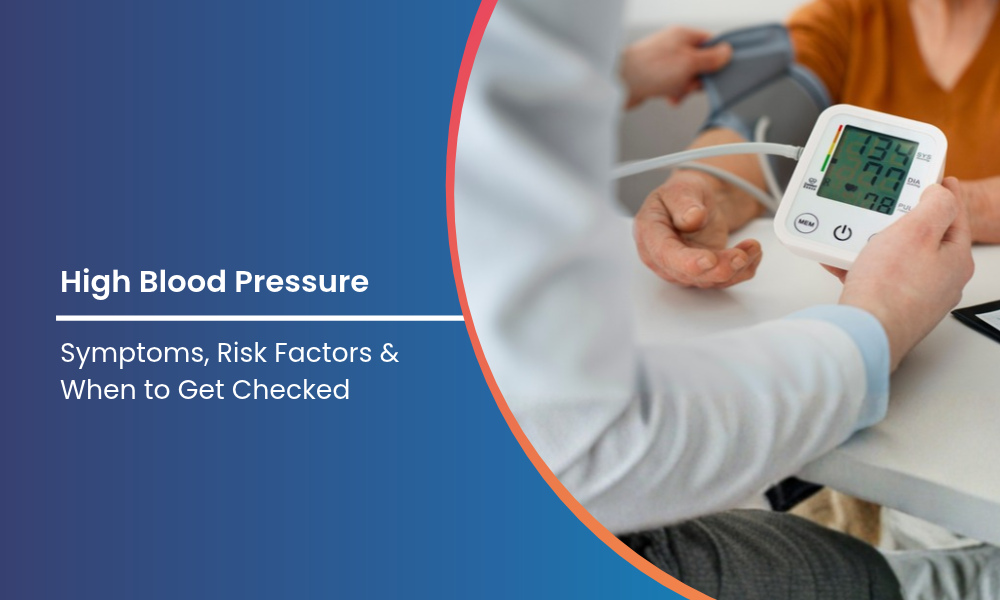
High Blood Pressure Symptoms and Risk Factors

Preventive Health Checkup Benefits Tests and Importance

Senior Health Checkup Tests and Screenings






Let's talk about your health.
Looking for an Expert
ShardaCare – Healthcity is home to some of the most eminent doctors in the world.
Find a Doctor