
Institute of Plastic & Reconstructive Surgery
Overview
The Institute of Plastic & Reconstructive Surgery provides specialised surgical care to restore form, function, and appearance after injury, burns, birth defects, cancer surgery, infection, or other medical conditions. It also includes selected cosmetic procedures that improve body contour, facial appearance, and confidence when medically appropriate.
Plastic and reconstructive surgery focuses on both healing and restoration. The aim is to help patients regain function, improve appearance, reduce deformity, and support physical and emotional recovery.
What Is Plastic & Reconstructive Surgery?
Plastic & Reconstructive Surgery is a surgical specialty that repairs, reshapes, or reconstructs tissues of the face, hands, skin, breasts, limbs, and body. Reconstructive surgery is usually performed to correct defects caused by trauma, disease, birth conditions, burns, or previous surgery. Cosmetic surgery focuses on improving appearance in suitable patients.
Common areas of care include:
Burns and post-burn deformity correction
Facial trauma and soft tissue injury repair
Hand and upper limb surgery
Breast reconstruction after cancer surgery
Scar revision and wound reconstruction
Cleft lip and palate repair
Craniofacial and maxillofacial reconstruction
Skin cancer removal and reconstruction
Microsurgery and free flap reconstruction
Diabetic foot and complex wound care
Nerve, tendon, and soft tissue repair
Body contouring and selected cosmetic procedures
Causes and Risk Factors
Patients may need plastic or reconstructive surgery due to injury, disease, congenital conditions, cancer treatment, burns, or tissue loss.
Common causes and risk factors include:
Road traffic accidents or workplace injuries
Burns, electrical injuries, or chemical injuries
Birth defects such as cleft lip, cleft palate, or craniofacial abnormalities
Cancer surgery causing tissue loss or deformity
Skin cancer or suspicious skin lesions
Hand injuries, tendon injuries, or nerve injuries
Chronic wounds or pressure sores
Diabetes-related foot wounds
Infection causing tissue damage
Previous surgery or radiation therapy
Scarring, contractures, or restricted movement
Smoking, diabetes, poor nutrition, or poor blood supply affecting healing
Early specialist care can improve healing and reduce long-term deformity or loss of function.
Symptoms
Patients may need evaluation when a condition affects appearance, movement, skin coverage, wound healing, or daily function.
Common concerns include:
Non-healing wounds
Burn scars or tight skin limiting movement
Visible deformity after injury or surgery
Deep cuts involving tendons, nerves, or blood vessels
Hand weakness, numbness, or restricted movement
Facial injury, swelling, or soft tissue loss
Cleft-related feeding, speech, or dental concerns
Breast asymmetry or tissue loss after cancer surgery
Painful, thick, or raised scars
Skin growths, ulcers, or changing lesions
Tissue loss after infection, trauma, or tumour removal
Urgent care is needed for severe burns, deep facial or hand injuries, exposed bone or tendon, uncontrolled bleeding, spreading infection, severe pain, loss of sensation, or reduced blood flow to a limb.
Diagnosis
Diagnosis begins with clinical examination, medical history, wound assessment, functional evaluation, and review of the patient’s goals and safety factors.
Common diagnostic methods include:
Physical examination of the affected area
Wound and scar assessment
Hand function, nerve, tendon, and blood flow evaluation
Imaging such as X-ray, ultrasound, CT, or MRI when needed
Doppler assessment for blood supply in selected cases
Biopsy for suspicious skin or soft tissue lesions
Infection testing and wound culture when required
Blood sugar, nutrition, and general health assessment before surgery
Cancer treatment history review for reconstruction planning
Multidisciplinary evaluation with oncology, orthopaedics, ENT, dental, maxillofacial, or rehabilitation teams when needed
Careful planning helps choose the safest reconstructive or cosmetic approach.
Treatment Options
Treatment depends on the condition, severity, tissue quality, function, appearance, and overall health of the patient.
Plastic and reconstructive care may include:
Wound cleaning, closure, and soft tissue repair
Skin grafting for burns, wounds, or tissue loss
Local, regional, or free flap reconstruction
Microsurgery for complex tissue transfer or reattachment
Scar revision and contracture release
Tendon, nerve, and blood vessel repair
Hand surgery and rehabilitation
Cleft lip and palate surgery
Breast reconstruction using implants or the patient’s own tissue
Reconstruction after cancer surgery
Treatment of pressure sores and diabetic foot wounds
Laser or procedural scar management in selected cases
Cosmetic procedures such as body contouring, eyelid surgery, rhinoplasty, or facial rejuvenation in suitable patients
Many reconstructive procedures require staged treatment, follow-up, physiotherapy, wound care, and scar management.
Prevention and Outlook
Some injuries and complications can be reduced through burn safety, road safety, protective equipment, good wound care, diabetes control, smoking cessation, nutrition support, early treatment of infection, and timely evaluation of non-healing wounds or suspicious skin lesions.
The outlook depends on the cause, severity, tissue loss, timing of treatment, and general health. Modern plastic and reconstructive surgery can restore function and appearance in many complex conditions, especially when supported by rehabilitation, scar care, and multidisciplinary follow-up.
Frequently Asked Questions
What is the difference between plastic surgery and reconstructive surgery?
Plastic surgery is the broader specialty. Reconstructive surgery restores function or appearance after injury, disease, birth defects, burns, or cancer treatment. Cosmetic surgery focuses mainly on appearance enhancement.When should I see a plastic surgeon?
You should consult a plastic surgeon for burns, facial or hand injury, non-healing wounds, scars causing tightness or deformity, cleft conditions, tissue loss, skin lesions, or reconstruction after cancer surgery.What is microsurgery?
Microsurgery uses a microscope or magnification to repair tiny blood vessels, nerves, or tissues. It is often used in complex reconstruction and free flap surgery.Can scars be completely removed?
Scars cannot usually be removed completely, but scar revision, laser treatment, injections, silicone therapy, and proper wound care may improve their appearance and flexibility.Is reconstructive surgery done in stages?
Sometimes, yes. Complex reconstruction after burns, trauma, cleft conditions, or cancer surgery may need more than one procedure.Is cosmetic surgery safe?
Cosmetic surgery can be safe in suitable patients when performed by trained specialists after proper evaluation. Patients should understand the benefits, risks, recovery time, and realistic outcomes.
Our Medical Experts
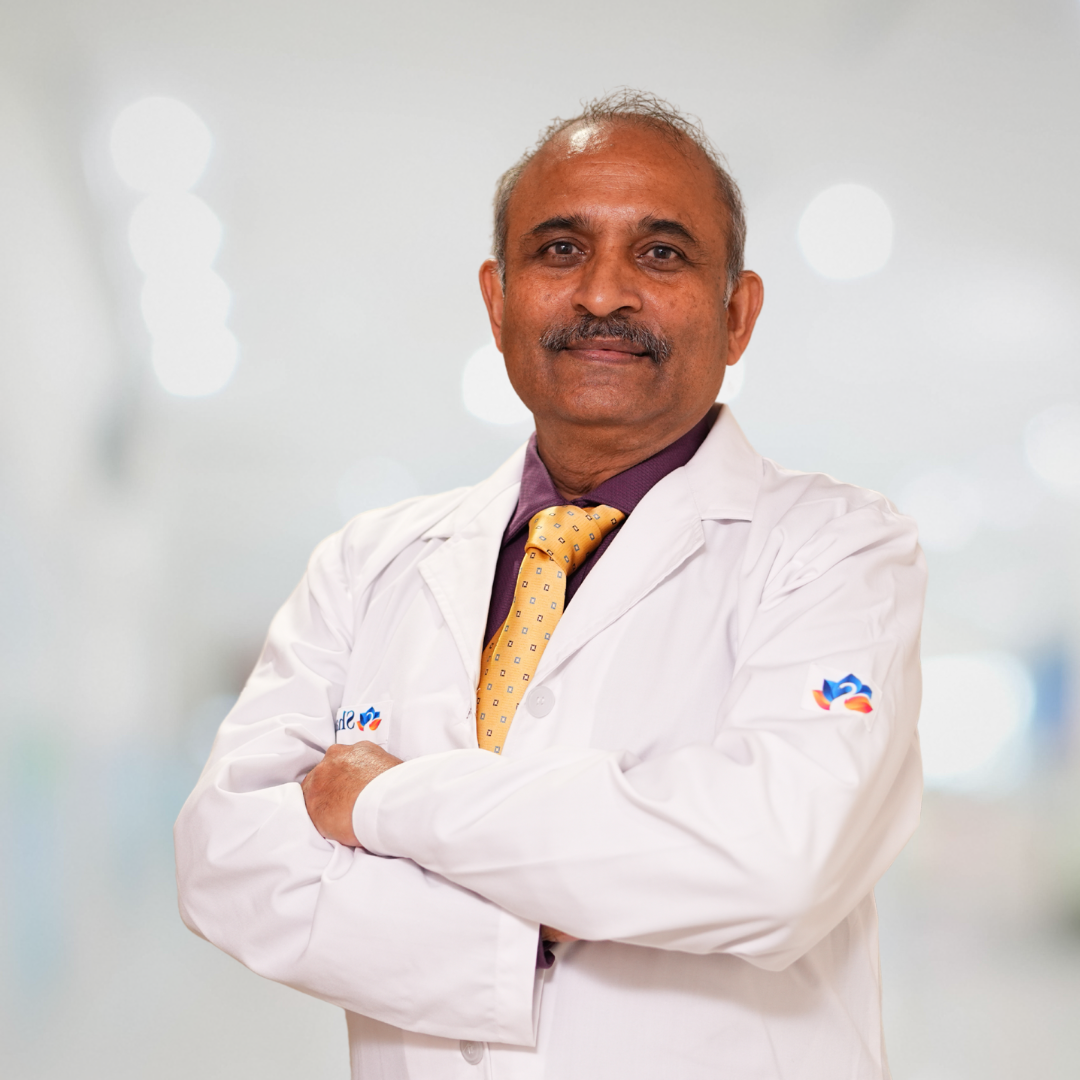
Dr. Tanmoy Roy
Senior Consultant - (Plastic & Reconstructive Surgery)
Institute of Plastic & Reconstructive Surgery
Real Patients, Real Stories
Health Blogs
Kidney Transplant Eligibility Procedure and Recovery
Bone Marrow Transplant Types Eligibility and Procedure
Chronic Kidney Disease Symptoms Causes and Tests
Let's talk about your health.
Looking for an Expert
ShardaCare – Healthcity is home to some of the most eminent doctors in the world.
Find a Doctor