
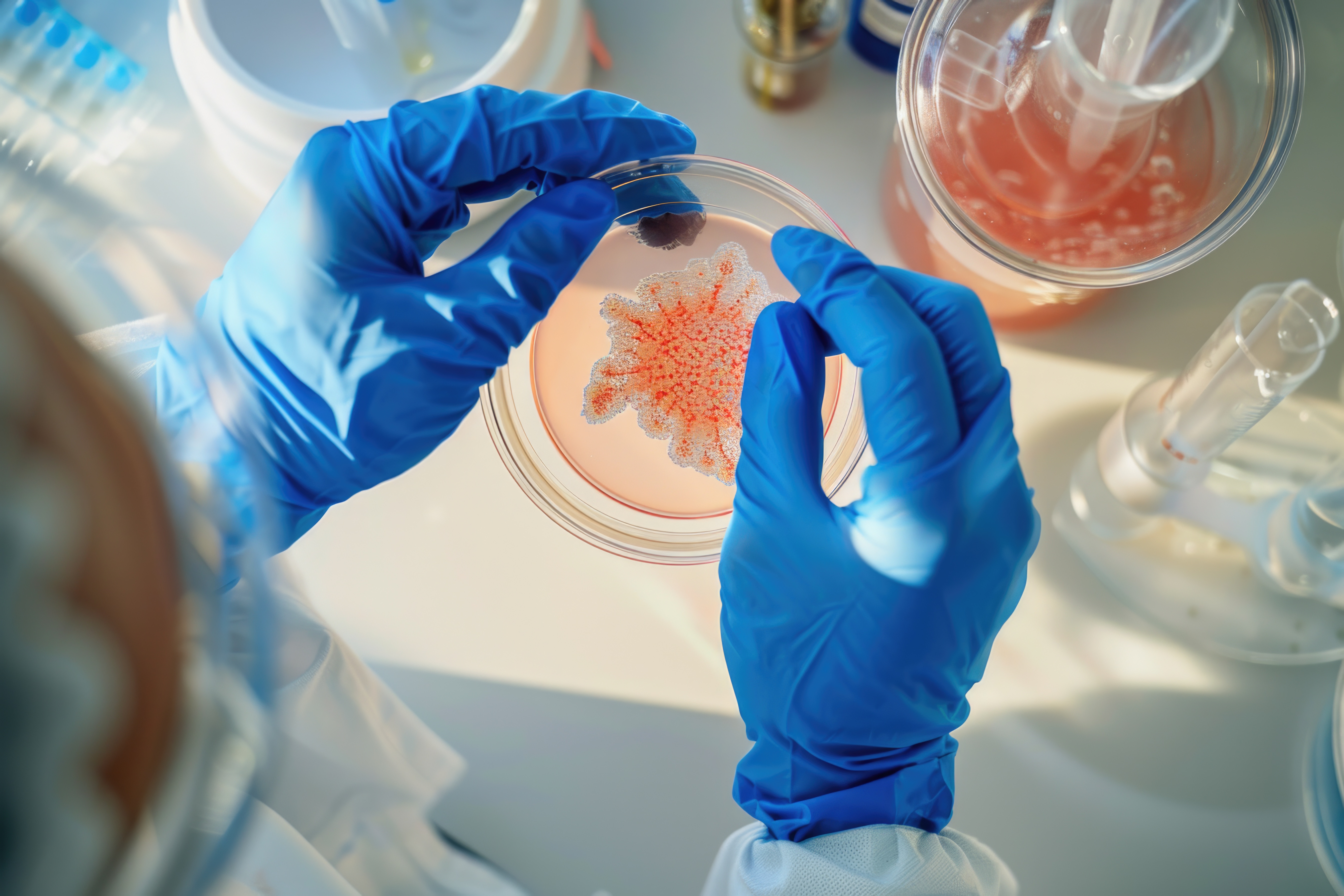
Cytopathology
Cytopathology at ShardaCare Healthcity is a specialized diagnostic service within the Central Laboratory that helps detect disease by examining individual cells from body fluids, secretions, and targeted needle samples. It plays an important role in early cancer screening, diagnosis of infections, and evaluation of inflammatory conditions through minimally invasive and clinically relevant testing.
What is Cytopathology?
Cytopathology is a subspecialty of anatomic pathology focused on the study of isolated or small groups of cells instead of full tissue sections. It is commonly used to screen for and diagnose cancer, identify infectious processes, and support further biomarker-based evaluation when needed.
At ShardaCare Healthcity, Cytopathology supports clinicians with timely, precise cellular interpretation that can help guide treatment planning while reducing the need for more invasive diagnostic approaches in selected cases. The Central Laboratory page also highlights expert-led pathology services, advanced automation, and digital reporting support.
Our Cytopathology Services
Pap Smear / Cervical Cytology
Pap smear is one of the best-known cytology tests and is used to identify abnormal, precancerous, or cancerous cervical cell changes. It remains an important screening tool for early detection and follow-up.
Fine-Needle Aspiration Cytology (FNAC)
FNAC is a minimally invasive procedure used to collect cellular material from lumps, nodules, or suspicious masses. It is commonly used for thyroid nodules, breast lumps, lymph nodes, salivary lesions, and other palpable or image-guided targets.
Exfoliative Cytology
Exfoliative cytology evaluates cells naturally shed into body fluids or secretions. This includes samples such as sputum, urine, and fluid from pleural, pericardial, or peritoneal spaces.
Body Fluid Cytology
Cytological evaluation of pleural, peritoneal, and pericardial fluids helps assess malignant, infectious, and inflammatory conditions. These samples are among the commonly examined materials in cytology practice.
Urine Cytology
Urine cytology examines cells passed in urine and may support evaluation of abnormal urinary findings and suspicious urothelial lesions. It is often used alongside other diagnostic methods when clinically indicated.
Sputum Cytology
Sputum cytology studies cells coughed up from the respiratory tract and can support evaluation of selected pulmonary infections or suspicious respiratory lesions.
Conditions Commonly Evaluated
Cytopathology may be recommended for:
- Cervical cancer screening and precancer detection
- Thyroid nodules
- Breast lumps
- Enlarged lymph nodes
- Respiratory tract lesions
- Suspicious urinary tract findings
- Pleural, ascitic, and pericardial fluid assessment
- Certain infectious and inflammatory conditions
Why Choose ShardaCare Healthcity for Cytopathology?
ShardaCare Healthcity offers Cytopathology support as part of its 24×7 Central Laboratory services. The parent pathology page highlights an NABL-certified setup, advanced automated diagnostic systems, expert pathology leadership, and LIMS-enabled digital reporting for reliable and timely diagnostic workflows.
Our Cytopathology service is designed to offer:
- Minimally invasive sample-based diagnosis
- Early disease detection support
- Fast and dependable cellular interpretation
- Integration with pathology and laboratory services
- Clinically useful reporting for further treatment planning
How the Test Process Works
The Cytopathology process usually begins with sample collection through a Pap smear, FNAC, fluid aspiration, or another cytology method. The sample is then prepared, stained, examined under the microscope, and reviewed by the pathologist to generate a structured report for the treating clinician.
Depending on the case, samples may also support further specialized evaluation, including triage for biomarker or molecular testing.
Who May Need Cytopathology?
Your doctor may advise Cytopathology if you have:
- An abnormal screening result
- A thyroid swelling or breast lump
- Enlarged lymph nodes
- Persistent respiratory symptoms with suspicious findings
- Unexplained fluid accumulation in the chest, abdomen, or around the heart
- Urinary abnormalities requiring cellular evaluation
Expert-Led Cytopathology Care
ShardaCare Healthcity’s Central Laboratory is led by Dr. (Prof.) Pankaj Tripathi, and the current specialty page lists Cytopathology among the Central Lab subspecialties under his expertise profile.
Book an Appointment
For Pap smear, FNAC, fluid cytology, or other Cytopathology investigations, connect with the Central Laboratory team at ShardaCare Healthcity for expert diagnostic support, accurate reporting, and coordinated care.
FAQ
Q. What is the difference between Cytopathology and Histopathology?
Cytopathology studies individual cells or small cellular samples, while histopathology studies tissue sections. Both are part of pathology, but Cytopathology is often used when a minimally invasive sample can answer the clinical question.
Q. Is FNAC painful?
FNAC is generally a minimally invasive sampling procedure that uses a fine needle to collect cells for diagnosis. The exact experience depends on the site and technique used.
Q. Can Cytopathology detect cancer?
Yes. Cytopathology is widely used for cancer screening and diagnosis, including Pap tests, FNAC of lumps or nodules, and evaluation of suspicious body fluids.
Q. Can Cytopathology samples be used for advanced testing?
In appropriate cases, cytology samples may be used to triage or support biomarker and prognostic testing.
Looking for an Expert
ShardaCare – Healthcity is home to some of the eminent Doctors in the world.
Book an Appointment