
All BLOOD-RELATED disorders
Leukemia, lymphoma, and multiple myeloma
High-dose and induction chemotherapy (AML, ALL, MPAL)
Targeted and immunotherapies in hematologic malignancies
Allogeneic bone marrow transplantation (MSD, MUD, Haplo)
Aplastic anemia and bone marrow failure syndromes
High-risk and complex transplant cases
Bone marrow transplantation in special clinical scenarios (Jehovah’s Witness patients, HIV, viral infections, CKD on dialysis)
Thalassemia and sickle cell disease
Autologous BMT for autoimmune diseases, especially multiple sclerosis
Graft manipulation and T-cell–depleted haploidentical BMT
CAR-T cell therapy
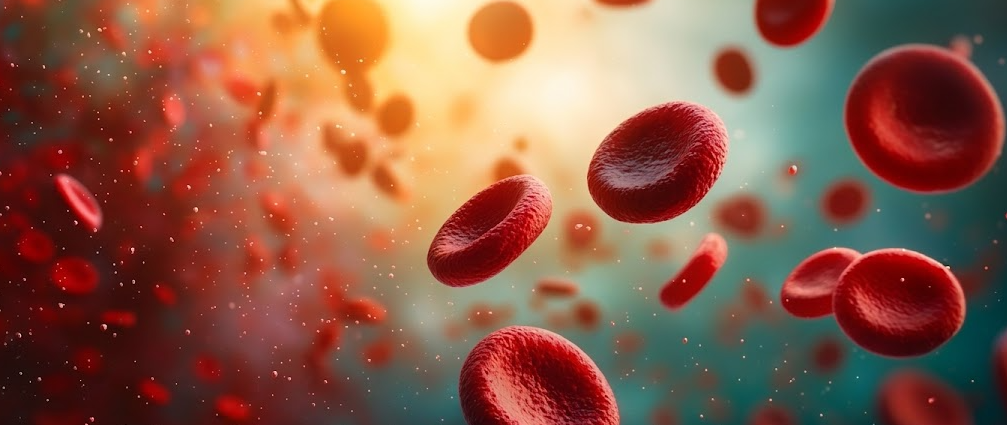
Thalassemia
Overview
Thalassemia is an inherited blood disorder treated under the Institute of BMT & Haematology. In this condition, the body does not make enough normal haemoglobin, the protein in red blood cells that carries oxygen. As a result, patients may develop anaemia, fatigue, poor growth, bone changes, enlarged spleen, or other complications.
Thalassemia can range from a mild carrier state with no symptoms to severe disease requiring regular blood transfusions and long-term specialist care. Early diagnosis, family screening, proper transfusion support, iron chelation, and transplant evaluation when suitable can improve outcomes.
What Is Thalassemia?
Thalassemia is passed from parents to children through genes. It affects haemoglobin production and causes red blood cells to break down more easily or function less effectively.
The main types include:
Alpha thalassemia: Caused by reduced production of alpha-globin chains.
Beta thalassemia: Caused by reduced or absent production of beta-globin chains.
Thalassemia trait/minor: Usually mild and may not need treatment.
Thalassemia intermedia: Moderate disease; transfusions may be needed occasionally or regularly.
Thalassemia major: Severe disease, often diagnosed in early childhood and usually requiring regular transfusions.
Causes and Risk Factors
Thalassemia is caused by inherited gene changes affecting haemoglobin production. A child is at higher risk when one or both parents carry a thalassemia gene.
Common risk factors include:
Family history of thalassemia
Parents who are thalassemia carriers
Consanguineous marriage in families with carrier risk
Belonging to populations where thalassemia is more common
Previous child in the family with thalassemia
Unexplained microcytic anaemia not improving with iron therapy
Carrier screening and genetic counselling are important for couples with a family history or high-risk background.
Symptoms
Symptoms depend on the type and severity of thalassemia. Mild carrier states may have no symptoms.
Common symptoms include:
Fatigue and weakness
Pale skin
Shortness of breath
Dizziness or headache
Poor feeding or poor growth in children
Yellowing of the skin or eyes
Dark urine
Enlarged abdomen due to spleen or liver enlargement
Bone changes in severe untreated disease
Delayed puberty
Recurrent infections in selected patients
Symptoms related to iron overload in patients receiving regular transfusions
Urgent medical care is needed for severe weakness, breathlessness, high fever, chest pain, fainting, severe abdominal pain, or signs of infection in a transfusion-dependent patient.
Diagnosis
Diagnosis begins with medical history, family history, physical examination, and blood tests. Testing helps distinguish thalassemia from iron deficiency anaemia and other blood disorders.
Common diagnostic methods include:
Complete blood count
Peripheral blood smear
Red blood cell indices
Reticulocyte count
Iron studies to rule out iron deficiency
Haemoglobin electrophoresis or HPLC
Genetic testing when needed
Liver, heart, and endocrine assessment in long-term cases
Serum ferritin and iron overload monitoring
Screening of parents, siblings, and family members
Prenatal testing in selected high-risk pregnancies
Early diagnosis helps plan treatment before complications develop.
Treatment Options
Treatment depends on the type of thalassemia, anaemia severity, symptoms, age, and complications.
Thalassemia care may include:
Regular blood transfusions for thalassemia major
Occasional transfusions during illness, pregnancy, surgery, or severe anaemia in selected patients
Iron chelation therapy to remove excess iron from repeated transfusions
Folic acid supplementation when advised
Monitoring for heart, liver, bone, and hormone-related complications
Vaccination and infection-prevention guidance
Splenectomy in selected cases with careful risk assessment
Bone marrow or stem cell transplant for eligible patients with severe thalassemia
Gene therapy in selected eligible patients where available
Genetic counselling and family screening
Long-term transition care from paediatric to adult haematology services
Patients should not take iron supplements unless iron deficiency is confirmed, as excess iron can be harmful.
Prevention and Outlook
Thalassemia cannot always be prevented once inherited, but affected births can be reduced through carrier screening, premarital or preconception counselling, genetic testing, and prenatal diagnosis for high-risk couples.
The outlook depends on disease severity, transfusion quality, adherence to iron chelation, complication monitoring, and access to specialist care. With regular treatment and follow-up, many patients with thalassemia can live longer and healthier lives. Stem cell transplant may offer a potential cure for selected patients, but suitability depends on donor match, age, disease status, and overall health.
Frequently Asked Questions
Is thalassemia the same as anaemia?
No. Thalassemia is an inherited cause of anaemia. Anaemia has many other causes, including iron deficiency, vitamin deficiency, chronic disease, and blood loss.Can thalassemia be cured?
Stem cell transplant can cure thalassemia in selected patients. Gene therapy may also be an option for some eligible patients where available. Many others need lifelong management.Do all thalassemia patients need blood transfusions?
No. Patients with thalassemia trait usually do not need transfusions. Moderate or severe forms may require occasional or regular transfusions.Why is iron chelation important?
Repeated blood transfusions can cause iron overload, which may damage the heart, liver, and endocrine organs. Chelation therapy helps remove excess iron.Can two thalassemia carriers have a healthy child?
Yes, but there is a risk of having a child with severe thalassemia depending on the parents’ carrier status. Genetic counselling and prenatal testing can help families understand their options.Should thalassemia carriers take iron tablets?
Not unless iron deficiency is confirmed. Thalassemia trait can look like iron deficiency on blood tests, so iron studies are important before starting supplements.
Get a call back from our
Health expert
Looking for an Expert
ShardaCare – Healthcity is home to some of the most eminent doctors in the world.
Book an AppointmentOur Medical Experts

Dr. Pawan Kumar Singh
Vice Chairman - (Haemato-Oncology & BMT)
Institute of BMT & Haematology
Experience: 15+ Years
Dr. Isha
Associate Consultant - (Haemato-Oncology & BMT)
Institute of BMT & Haematology
Experience: 7+ Years
