
All BLOOD-RELATED disorders
Leukemia, lymphoma, and multiple myeloma
High-dose and induction chemotherapy (AML, ALL, MPAL)
Targeted and immunotherapies in hematologic malignancies
Allogeneic bone marrow transplantation (MSD, MUD, Haplo)
Aplastic anemia and bone marrow failure syndromes
High-risk and complex transplant cases
Bone marrow transplantation in special clinical scenarios (Jehovah’s Witness patients, HIV, viral infections, CKD on dialysis)
Thalassemia and sickle cell disease
Autologous BMT for autoimmune diseases, especially multiple sclerosis
Graft manipulation and T-cell–depleted haploidentical BMT
CAR-T cell therapy
Hemostasis and Thrombosis
Overview
Hemostasis and thrombosis is a specialised area of hematology that deals with bleeding and clotting disorders. Hemostasis is the body’s natural process of stopping bleeding after an injury, while thrombosis refers to the formation of unwanted blood clots inside blood vessels.
A healthy body maintains a careful balance between preventing excessive bleeding and avoiding unnecessary clot formation. When this balance is disturbed, a person may develop abnormal bleeding, easy bruising, deep vein thrombosis, pulmonary embolism, stroke, or other serious complications. Early diagnosis and expert management help reduce risks and prevent life-threatening events.
What Is Hemostasis and Thrombosis?
Hemostasis is the normal clotting process that helps stop bleeding. It involves blood vessels, platelets, clotting factors, and the fibrinolytic system, which later breaks down clots when they are no longer needed.
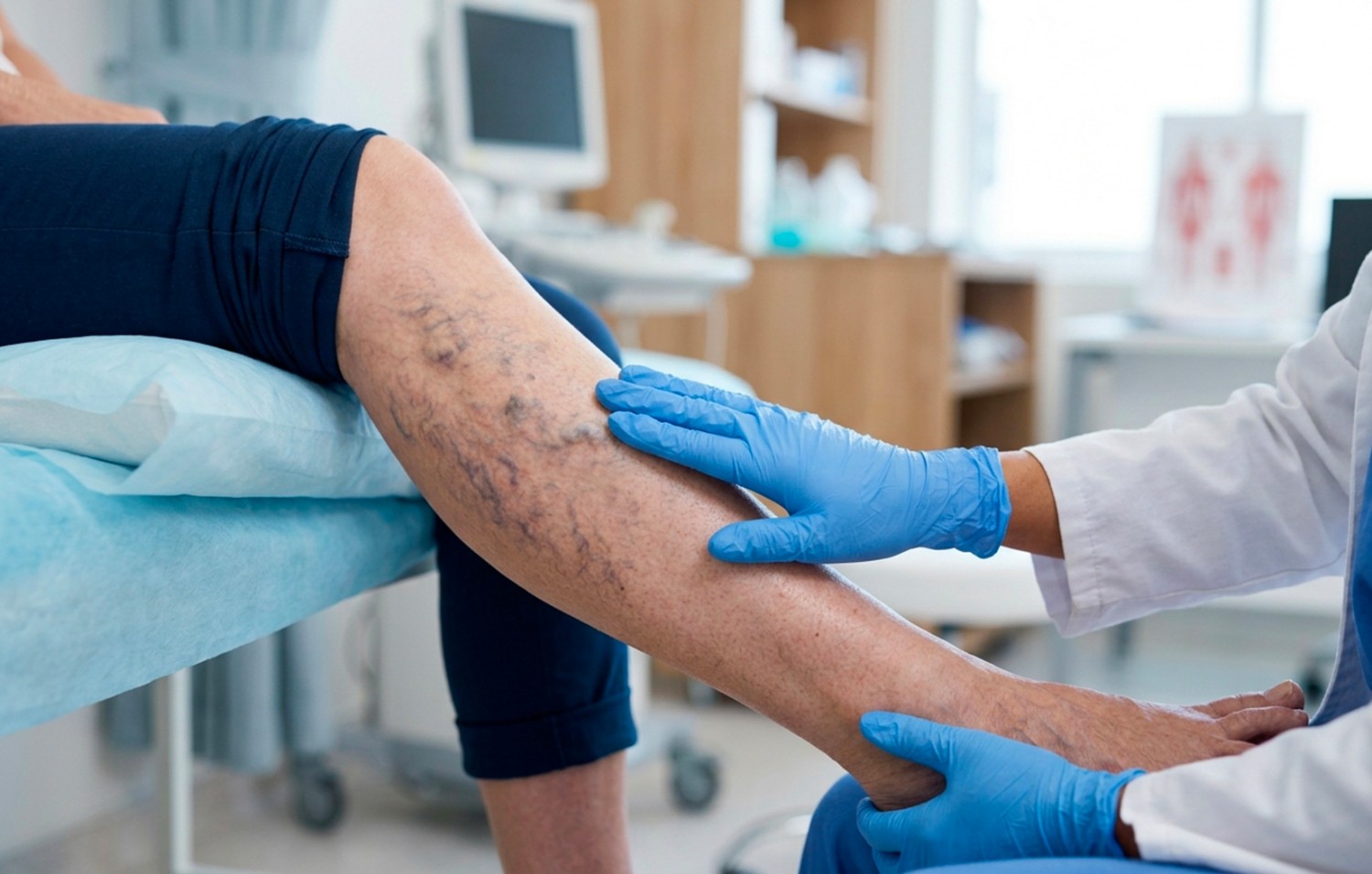
Thrombosis occurs when a clot forms inside a blood vessel and blocks normal blood flow. This may happen in veins or arteries. Venous clots can cause deep vein thrombosis or pulmonary embolism, while arterial clots can lead to heart attack, stroke, or limb-threatening complications.
This specialty manages conditions such as:
Hemophilia
Von Willebrand disease
Platelet function disorders
Thrombocytopenia
Deep vein thrombosis
Pulmonary embolism
Antiphospholipid syndrome
Inherited thrombophilia
Disseminated intravascular coagulation
Bleeding or clotting problems related to surgery, pregnancy, cancer, liver disease, or medicines
Causes and Risk Factors
Bleeding or clotting disorders may be inherited, acquired, or related to another medical condition.
Common causes and risk factors include:
Family history of bleeding or clotting disorders
Deficiency or abnormal function of clotting factors
Low platelet count or poor platelet function
Use of blood thinners or antiplatelet medicines
Liver disease or vitamin K deficiency
Cancer and cancer treatment
Pregnancy and the postpartum period
Major surgery, trauma, or prolonged immobility
Obesity, smoking, or older age
Autoimmune disorders such as antiphospholipid syndrome
Hormonal therapy or oral contraceptive use
Severe infection or critical illness
Previous history of blood clots or unexplained bleeding
Identifying the exact cause is important because treatment for bleeding disorders and clotting disorders is very different.
Symptoms
Symptoms depend on whether the patient has a bleeding tendency, a clotting tendency, or both.
Symptoms of bleeding disorders may include:
Easy or unexplained bruising
Frequent nosebleeds
Bleeding gums
Heavy or prolonged menstrual bleeding
Prolonged bleeding after cuts, dental work, surgery, or childbirth
Blood in urine or stool
Joint or muscle bleeding in severe clotting factor disorders
Excessive bleeding after minor injury
Symptoms of thrombosis may include:
Pain, swelling, redness, or warmth in one leg or arm
Sudden shortness of breath
Chest pain that may worsen with breathing
Coughing blood
Sudden weakness, facial drooping, speech difficulty, or vision changes
Severe headache or confusion
Coldness, pain, or colour change in a limb
Sudden breathlessness, chest pain, stroke-like symptoms, coughing blood, or severe uncontrolled bleeding requires emergency medical care.
Diagnosis
Diagnosis starts with a detailed history of bleeding episodes, clotting events, family history, medicines, pregnancy history, surgeries, and associated illnesses. The doctor may recommend blood tests to understand how the clotting system is functioning.
Common diagnostic tests include:
Complete blood count with platelet count
Prothrombin time and INR
Activated partial thromboplastin time
Thrombin time and fibrinogen level
D-dimer test when thrombosis is suspected
Liver and kidney function tests
Von Willebrand factor testing
Clotting factor assays
Platelet function tests
Antiphospholipid antibody testing
Thrombophilia screening in selected patients
Doppler ultrasound, CT pulmonary angiography, MRI, or other imaging tests to detect clots
Testing should be guided by a specialist, as some results can be affected by acute illness, pregnancy, anticoagulant medicines, or recent clotting events.
Treatment Options
Treatment depends on whether the patient has abnormal bleeding, thrombosis, or a high risk of clot formation.
Treatment for bleeding disorders may include:
Clotting factor replacement therapy
Desmopressin for selected bleeding disorders
Von Willebrand factor concentrates
Platelet transfusion in selected cases
Antifibrinolytic medicines to reduce mucosal bleeding
Vitamin K or plasma products when appropriate
Planning before surgery, dental procedures, or childbirth
Treatment for thrombosis may include:
Anticoagulant medicines such as heparin, warfarin, or direct oral anticoagulants
Thrombolytic therapy in selected severe or life-threatening clots
Compression therapy for selected venous clot conditions
Treatment of underlying causes such as cancer, infection, or autoimmune disease
Long-term prevention plans for patients with recurrent clots or high-risk conditions
Careful monitoring to balance clot prevention with bleeding risk
Patients taking blood thinners should follow medical advice carefully and inform their doctor before any surgery, dental procedure, new medicine, or supplement.
Prevention and Outlook
Not all bleeding or clotting disorders can be prevented, especially inherited conditions. However, complications can often be reduced with early diagnosis, proper treatment, and careful planning before surgery, pregnancy, or long travel.
To reduce clot risk, patients may be advised to stay active, maintain a healthy weight, avoid smoking, stay hydrated, follow cancer or pregnancy-related clot prevention advice, and take prescribed blood thinners correctly.
The outlook depends on the type and severity of the disorder. Many patients with bleeding or clotting conditions can live active, healthy lives with specialist care, regular monitoring, and personalised treatment.
Frequently Asked Questions
What is the difference between hemostasis and thrombosis?
Hemostasis is the normal process that stops bleeding after injury. Thrombosis is abnormal clot formation inside a blood vessel, which can block blood flow.When should I see a hematologist?
You should consult a hematologist if you have unexplained bleeding, easy bruising, recurrent miscarriages linked to clotting concerns, repeated blood clots, family history of clotting disorders, or abnormal clotting test results.Are bleeding disorders inherited?
Some bleeding disorders, such as hemophilia and von Willebrand disease, can be inherited. Others may develop due to liver disease, medicines, vitamin deficiency, immune conditions, or other illnesses.Can blood clots be prevented?
Many clots can be prevented by managing risk factors, staying mobile after surgery or during travel, using preventive blood thinners when prescribed, and treating underlying medical conditions.Are blood thinners dangerous?
Blood thinners are effective for preventing and treating clots, but they can increase bleeding risk. They should be taken exactly as prescribed and monitored as advised by the doctor.Can one person have both bleeding and clotting problems?
Yes. Some conditions and treatments can increase both bleeding and clotting risks. Specialist evaluation is important to decide the safest treatment plan.
Get a call back from our
Health expert
Looking for an Expert
ShardaCare – Healthcity is home to some of the most eminent doctors in the world.
Book an AppointmentOur Medical Experts

Dr. Pawan Kumar Singh
Vice Chairman - (Haemato-Oncology & BMT)
Institute of BMT & Haematology
Experience: 15+ Years

Dr. Isha
Associate Consultant - (Haemato-Oncology & BMT)
Institute of BMT & Haematology
Experience: 7+ Years
