


Cardiac Sciences


Multidisciplinary Team
Integrated team of cardiologists, surgeons, and nurses ensuring coordinated care.
Advanced Interventions
Managing complex heart conditions utilizing next-generation therapies and minimally-invasive techniques.
24/7 Emergency Care
Round-the-clock rapid response and critical care for acute cardiac emergencies.
Comprehensive Care
Comprehensive diagnosis, personalized treatment, and holistic rehabilitation for heart conditions.
Modern Infrastructure
State-of-the-art cath labs, modular operating theaters, and advanced ICU monitoring.
Leading Expertise
The region's fast-growing cardiac program, led by highly experienced specialists.
ShardaCare - Healthcity brings together a multidisciplinary team of top cardiac surgeons and heart failure specialists to give patients with end-stage heart disease a second chance at life. We integrate advanced diagnostics, high-risk surgery, mechanical circulatory support, and long-term rehabilitation under one roof. With evidence-based ...
Advanced cardiothoracic and vascular surgery demands seamless precision and expert coordination. At ShardaCare – Healthcity, our philosophy extends beyond the operating room. We provide a comprehensive approach—from precise diagnostics to cutting-edge interventions like minimally invasive valve replacements and ECMO support. Driven by surgical innovation, our goal is exceptional outcomes, even in high-risk scenarios. Every procedure reflects our commitment to clinical excellence, patient safety, and helping you reclaim an active, healthy life.

Dr. Akhil Kumar Rustagi
Senior Director & HOD | 25+ Years of Experience
Department of Cardiothoracic & Vascular Surgery, ShardaCare – Healthcity
Our Treatments
Team approach and compassionate care for holistic heart health
Peripheral Angioplasty
Peripheral angioplasty is a minimally invasive procedure designed to open narrowed or blocked arteries in the peripheral vascular system. Often involving the placement of a stent to keep the artery open, it helps alleviate symptoms like leg pain and cramping while reducing the risk of severe complications related to peripheral artery disease.

Peripheral angioplasty is a minimally invasive procedure designed to open narrowed or blocked arteries in the peripheral vascular system. Often involving the placement of a stent to keep the artery open, it helps alleviate symptoms like leg pain and cramping while reducing the risk of severe complications related to peripheral artery disease.
Ailments
Team approach and compassionate care for holistic heart health
Coronary Artery Disease (CAD)
Coronary Artery Disease (CAD) occurs when the arteries supplying blood to the heart become narrowed or blocked. This condition can lead to serious complications like angina (chest pain), heart attacks, or heart failure. CAD is effectively managed through lifestyle changes, medications, and procedures like angioplasty or bypass surgery. Consult our specialists for an accurate diagnosis and a personalized treatment plan.

Coronary Artery Disease (CAD) occurs when the arteries supplying blood to the heart become narrowed or blocked. This condition can lead to serious complications like angina (chest pain), heart attacks, or heart failure. CAD is effectively managed through lifestyle changes, medications, and procedures like angioplasty or bypass surgery. Consult our specialists for an accurate diagnosis and a personalized treatment plan.
Advanced Medical Technologies
Advanced medical equipment enabling accurate diagnosis, precise treatment, and better outcomes.
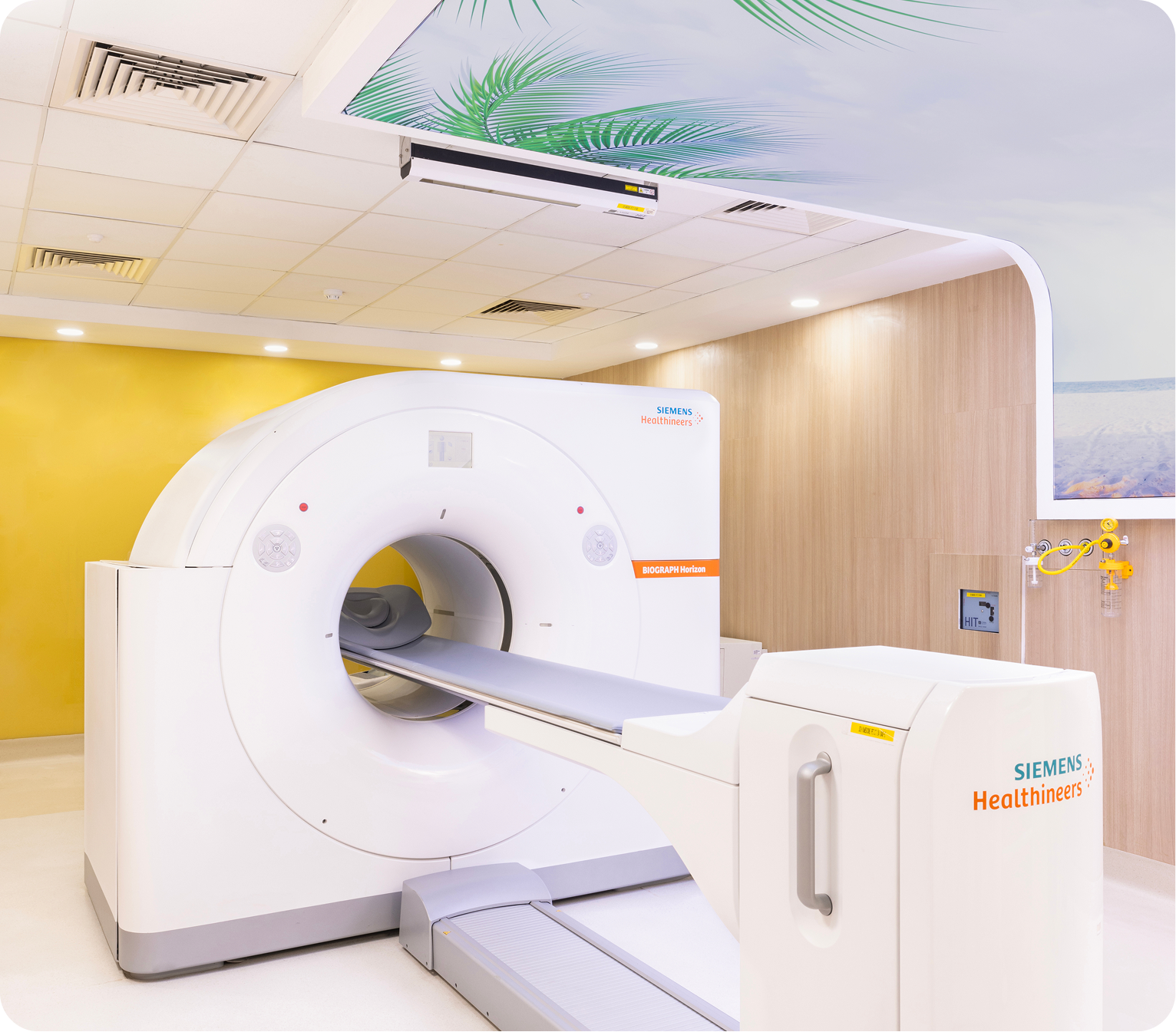
Siemens Healthineers PET CT Scan
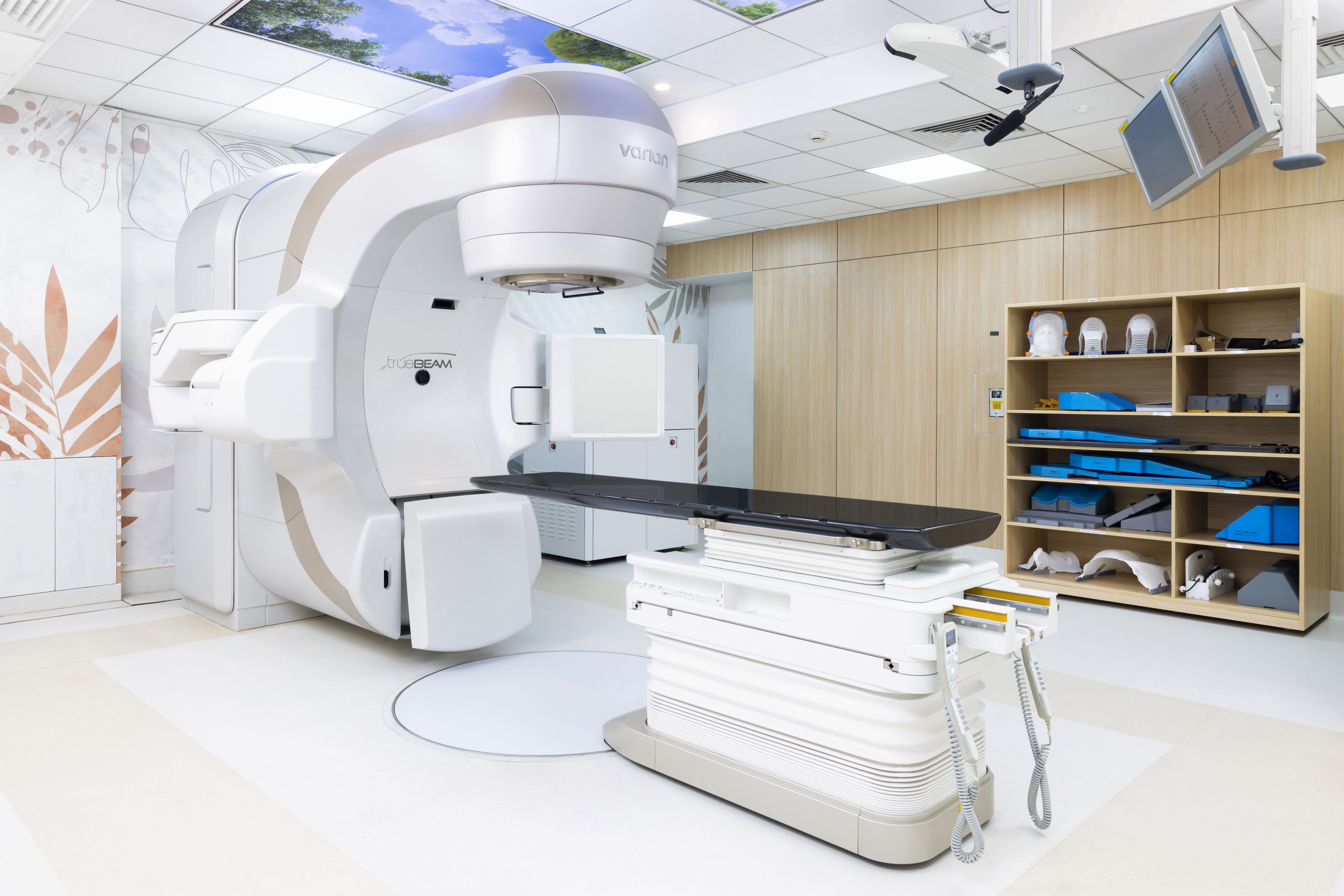
Varian Truebeam Radiotherapy
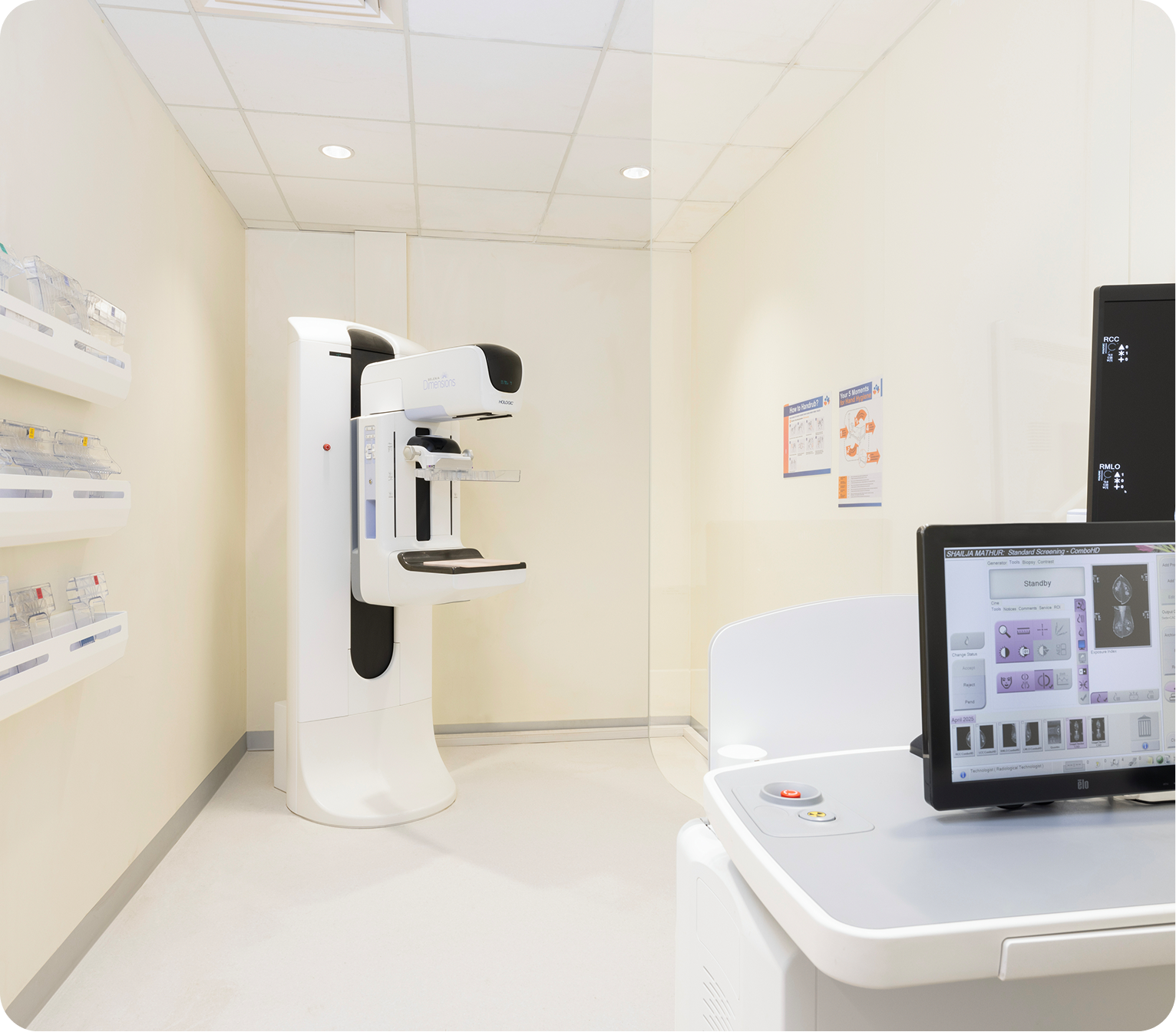
Hologic Selenia Dimensions 3D Mammography System
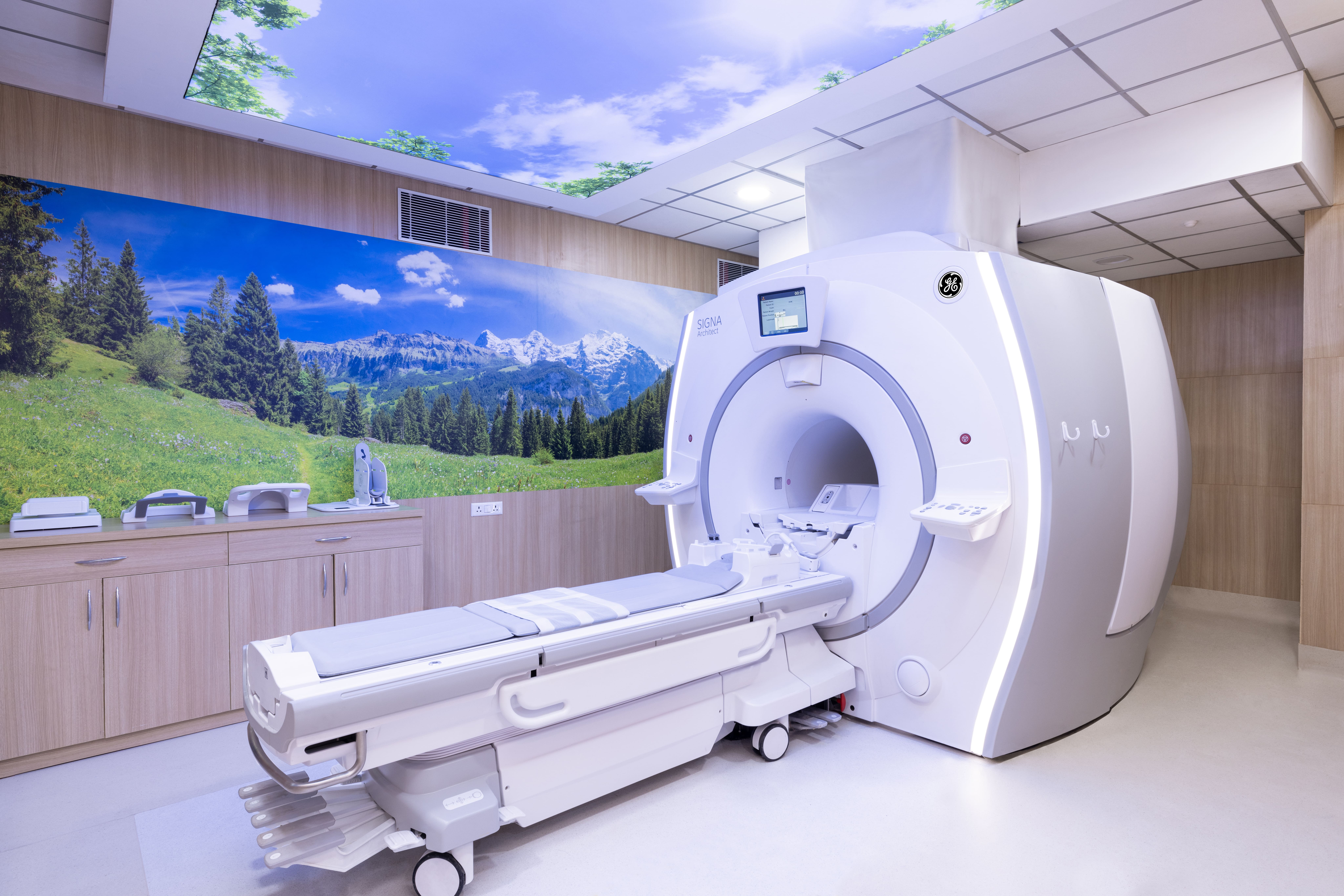
GE Architect 3.0T Wide-Bore MRI Scanner
Know More About Our Sub-Specialization
Comprehensive surgical solutions and post-operative care for a wide range of complex transplant procedures.

Cardiac Surgery

Clinical & Preventive Cardiology

Electrophysiology

Interventional Cardiology
Patient Stories






FAQ's
Hear how patients from around the world transformed their lives with our care.
Waiting time varies depending on blood group, body size, and urgency. Some patients wait weeks; others may wait months.
In symptomatic advance heart failure heart transplant/LVAD is the only treatment possible. Transplant has risks as well as benefits which is assessed during work up and the risk benefit ratio is explained to the family. Overall 1 year Survival rates after transplant -90%.
Mean survival is around 12-14 years. Younger patients with preserved end organs and medication compliance have seen to live 20 years or more also.
Yes. Lifelong immunosuppressive medicines are essential to prevent rejection.
Most patients return to normal daily activities, travel, and even work within months.