

General Medicine
Diabetes & Thyroid
Critical Care Medicine
Infectious Diseases
Metabolic Diseases
Geriatric Diseases
Rheumatologic Diseases
Gastroenteritis Treatment
Internal Medicine
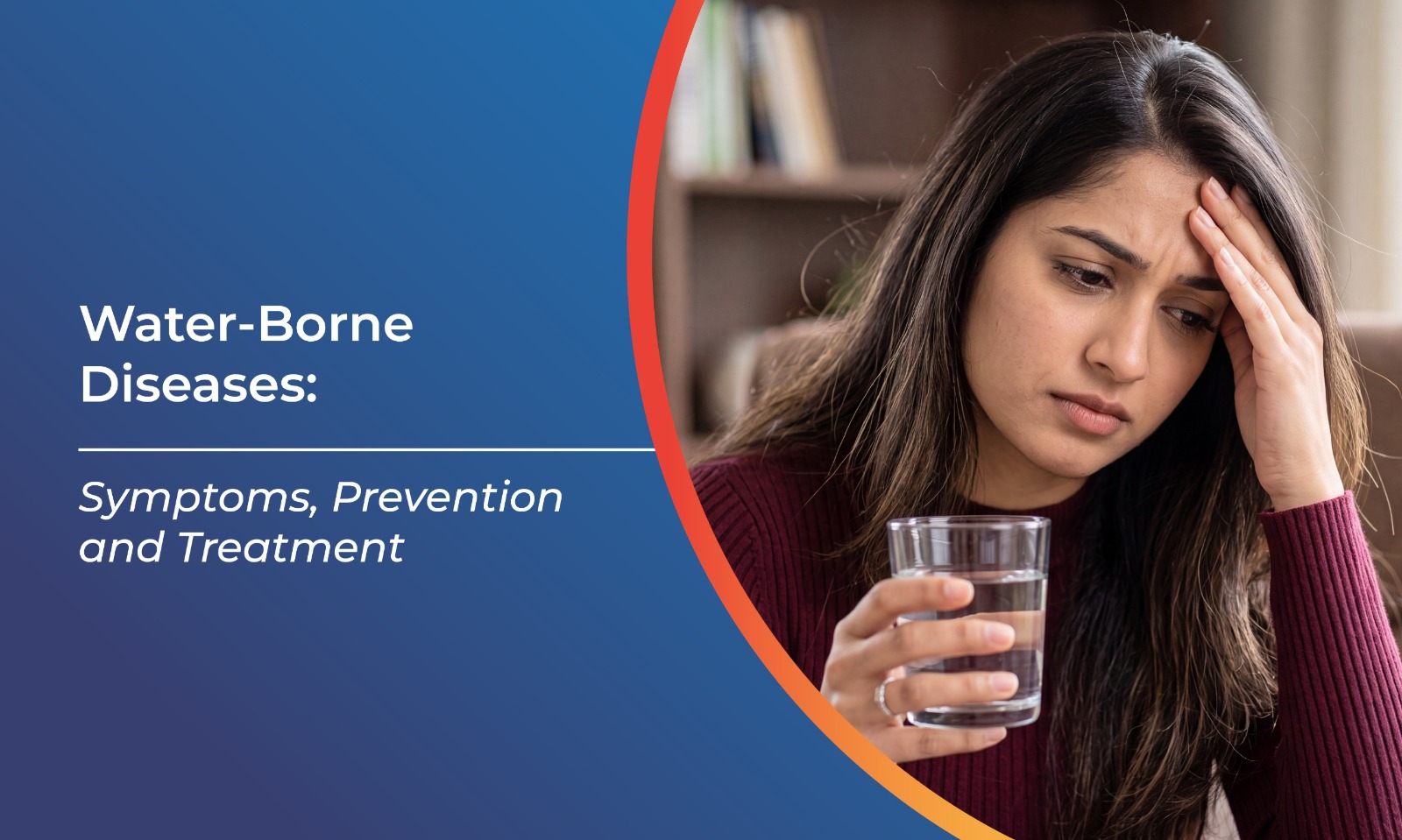
Water-Borne Diseases Symptoms Prevention and Treatment
4 Sept 2026
Overview
Safe drinking water is essential for good health. When water becomes contaminated with disease-causing microorganisms, consuming or using it can lead to infections affecting the digestive system and, in some cases, other parts of the body. Water-borne diseases remain an important public health concern, particularly during periods of heavy rainfall, flooding, disrupted sanitation or unsafe water storage.
Common contaminated water diseases include illnesses that cause diarrhoea, vomiting, abdominal pain, fever, weakness and dehydration. Some infections are mild and resolve with appropriate supportive care while others can become serious without timely diagnosis and treatment.
Understanding how water-borne infections spread, recognising common symptoms, following appropriate infection prevention measures and knowing when to seek medical care can help individuals and families reduce their risk, especially during the monsoon and other periods when water contamination may become more likely.
What Are Water-Borne Diseases?
Water-borne diseases are illnesses that can occur when people consume water contaminated with harmful bacteria, viruses, parasites or other disease-causing organisms.
Contamination may occur when sewage, human or animal waste or other unsafe material enters a drinking-water source. Food prepared or washed with contaminated water can also transmit infection.
Depending on the organism involved, illness may affect the stomach and intestines or cause a broader systemic infection.
Water-borne disease is therefore a broad term rather than a single diagnosis. Different infections require different approaches to diagnosis and treatment.
How Does Water Become Contaminated?
Water that looks clear is not necessarily free of disease-causing microorganisms. Contamination can happen at the source, during distribution or after water reaches the home.
Common circumstances associated with contamination include:
Sewage entering drinking-water supplies
Floodwater contaminating wells or other water sources
Damaged or leaking water and sewage pipelines
Unsafe disposal of human waste
Poor sanitation
Contaminated storage containers
Handling drinking water with unclean hands or utensils
Using unsafe water to wash or prepare food
The risk may increase when sanitation infrastructure is disrupted by heavy rainfall or flooding.
Why Can Water-Borne Diseases Increase During the Monsoon?
Heavy rain itself does not directly cause an infection. However, monsoon conditions can create circumstances that make contamination more likely.
Flooding may cause sewage and other waste to mix with water supplies. Standing water and damaged sanitation infrastructure can create additional public health concerns. Water stored during supply interruptions can also become contaminated if containers are not clean and properly covered.
Food safety may also be affected when unsafe water is used for cooking, preparing drinks, washing produce or cleaning utensils.
For these reasons, extra attention to drinking-water safety, sanitation, hand hygiene and food preparation is important during the monsoon.
Common Types of Water-Borne Diseases
Several infections can spread through contaminated water. The organisms and symptoms vary considerably.
Cholera
Cholera is an intestinal infection caused by certain strains of Vibrio cholerae bacteria.
It can cause acute watery diarrhoea which may lead to rapid fluid and electrolyte loss in severe cases. Prompt replacement of fluids is particularly important.
Anyone experiencing very frequent watery diarrhoea or signs of significant dehydration should receive medical care promptly.
Typhoid Fever
Typhoid fever is caused by Salmonella Typhi. It can spread through food or water contaminated by an infected person or carrier.
Possible symptoms include prolonged fever, weakness, headache, abdominal discomfort and diarrhoea or constipation.
Typhoid requires appropriate medical assessment because antibiotic treatment may be necessary.
Hepatitis A
Hepatitis A is a viral infection affecting the liver. It can spread through contaminated food and water or close contact with an infected person.
Symptoms can include fever, fatigue, reduced appetite, nausea, abdominal discomfort, dark urine and yellowing of the skin or eyes.
Medical assessment is important when hepatitis is suspected.
Acute Gastroenteritis
Several bacteria, viruses and parasites can cause gastroenteritis after contaminated water is consumed.
Common symptoms include diarrhoea, vomiting, abdominal cramps, nausea and sometimes fever.
These stomach infections vary in severity. Preventing dehydration is particularly important when vomiting or diarrhoea is frequent.
Parasitic Intestinal Infections
Certain parasites can spread through contaminated water and cause gastrointestinal illness.
Symptoms may include diarrhoea, abdominal discomfort, bloating, nausea or prolonged digestive symptoms. Diagnosis may require stool or other laboratory testing.
Common Symptoms of Water-Borne Diseases
Symptoms depend on the particular infection and may begin at different times after exposure.
Common symptoms can include:
Diarrhoea
Nausea
Vomiting
Abdominal pain or cramps
Fever
Weakness or fatigue
Reduced appetite
Headache
Dehydration
Certain illnesses can cause additional symptoms. For example, hepatitis can cause jaundice while typhoid may produce prolonged fever and systemic illness.
Because several contaminated water diseases produce similar symptoms, the exact infection cannot always be identified based on symptoms alone.
Why Diarrhoea and Vomiting Can Become Serious
One of the major concerns with gastrointestinal infections is dehydration.
Diarrhoea and vomiting cause the body to lose water and electrolytes. If these losses are not adequately replaced, dehydration can develop.
Possible warning signs include:
Dry mouth
Increased thirst
Reduced urination
Significant weakness
Dizziness
Difficulty drinking or keeping fluids down
Unusual sleepiness or reduced responsiveness
Young children and older adults may become dehydrated more quickly. People with significant dehydration require prompt medical assessment.
Water-Borne Diseases in Children
Children can be particularly vulnerable to the effects of diarrhoea and vomiting because fluid losses can become significant relatively quickly.
Parents and caregivers should monitor:
Fluid intake
Frequency of vomiting or diarrhoea
Urination
Activity and alertness
Fever
Ability to eat and drink
A child who cannot drink adequately, repeatedly vomits fluids, urinates much less than usual, appears unusually sleepy or has blood in the stool should receive prompt medical attention.
Safe drinking water and careful hand hygiene are particularly important in households with young children.
Who Is More Vulnerable to Complications?
Although anyone can develop a water-borne infection, some people may have a greater risk of severe illness or complications.
These include:
Infants and young children
Older adults
Pregnant women
People with weakened immune systems
People with certain chronic medical conditions
Adults with diabetes, hypertension, kidney disease or other long-term health conditions may need additional medical supervision when an acute infection causes dehydration or affects their usual treatment plan. Ongoing Chronic Disease Management can help coordinate the management of existing medical conditions alongside treatment for an acute illness.
People in higher-risk groups should seek appropriate medical advice when significant gastrointestinal or infectious symptoms develop.
How Are Water-Borne Diseases Diagnosed?
Diagnosis begins with the patient's symptoms, medical history, possible exposure and physical examination.
For many adults, initial assessment may be carried out by a General Physician who can evaluate the severity of symptoms, hydration status, medical history and potential causes before recommending appropriate investigations or specialist referral when required.
Medical History
A healthcare professional may ask about:
Drinking-water sources
Recent flooding or sanitation problems
Consumption of food or drinks from potentially unsafe sources
Recent travel
Duration of symptoms
Frequency of diarrhoea or vomiting
Fever
Other family members with similar symptoms
Current medicines
Existing medical conditions
This information can help narrow down possible causes.
Physical Examination
The doctor may assess the patient's overall condition, temperature, hydration status, abdominal findings and other clinical signs.
Stool Testing
Stool testing may be recommended when symptoms are severe, prolonged, associated with blood or when a specific bacterial or parasitic infection is suspected.
Blood Tests
Blood tests may help assess dehydration, electrolyte disturbances, infection, liver function or other concerns depending on the symptoms.
Blood culture may be appropriate when an infection such as typhoid fever is suspected.
Not every episode of diarrhoea requires extensive testing. Investigations are selected according to the clinical situation.
When symptoms are persistent, atypical or cannot be explained by a straightforward gastrointestinal infection, Complex Diagnostics may help clinicians investigate overlapping symptoms, underlying medical conditions and less obvious causes through a structured diagnostic approach.
Treatment of Water-Borne Diseases
Treatment depends on the organism involved, severity of illness, age, hydration status and other health conditions.
There is no single medicine that treats all water-borne diseases.
Oral Rehydration
Replacing lost fluids and electrolytes is a central part of managing many diarrhoeal illnesses.
Oral rehydration solution (ORS) contains water, glucose and electrolytes in appropriate proportions and can help replace losses from diarrhoea and vomiting.
People who cannot drink adequately or who develop significant dehydration may require hospital-based treatment and intravenous fluids.
Nutrition During Recovery
Patients who are able to eat can generally continue appropriate food according to appetite and tolerance.
Food should be freshly prepared and hygienically handled. Maintaining nutrition is particularly important for children.
Antibiotics
Antibiotics are not needed for every water-borne illness.
Viral infections do not respond to antibiotics and some uncomplicated bacterial gastrointestinal infections may not require them. Other conditions, including typhoid fever and certain bacterial infections, may require specific antibiotic treatment.
The decision should be made by a healthcare professional.
Self-medication with antibiotics can cause side effects, interfere with diagnosis and contribute to antibiotic resistance.
Treatment for Parasitic Infections
Some parasitic infections require specific medicines. Treatment depends on identifying or clinically determining the responsible parasite.
Using antiparasitic medicines without an appropriate diagnosis is not recommended.
Hospital Treatment
Hospital care may be necessary when a patient develops severe dehydration, cannot maintain oral fluids, has significant complications or requires closer monitoring.
Why You Should Avoid Self-Medicating Stomach Infections
Diarrhoea and abdominal discomfort are sometimes treated at home using leftover antibiotics or other medicines. This can be inappropriate because stomach infections have many different causes.
Antibiotics do not treat viral infections and the wrong antibiotic may not treat the responsible bacteria.
Certain medicines intended to stop diarrhoea may also be unsuitable in particular infections or age groups.
A healthcare professional should evaluate persistent, severe or unusual symptoms and recommend treatment according to the likely cause.
For adults with mild but persistent symptoms, recurrent digestive complaints or other general health concerns, Adult Primary Care can provide an appropriate first point of assessment and help determine whether further testing or specialist evaluation is required.
How to Prevent Water-Borne Diseases
Many water-borne infections can be prevented by reducing exposure to contaminated water and maintaining good sanitation and hygiene.
1. Drink Water From a Safe Source
Use drinking water from a reliable source.
When the safety of a water supply is uncertain, follow local public health recommendations for making it safe before drinking or using it to prepare food.
2. Store Drinking Water Safely
Water that is safe when collected can become contaminated during storage.
Keep drinking water in clean, covered containers. Avoid touching the inside of containers or dipping unclean cups or hands into stored water.
3. Wash Hands Properly
Handwashing is one of the most important infection prevention measures.
Wash hands thoroughly with soap and safe water:
After using the toilet
Before eating
Before preparing food
After cleaning up after a child
After handling waste
Whenever hands may be contaminated
4. Use Safe Water for Food Preparation
Safe water should be used for:
Cooking
Washing produce
Preparing beverages
Making ice
Cleaning utensils used for food
Contaminated water can make otherwise safe food a source of infection.
5. Eat Freshly Prepared Food
When food safety is uncertain, freshly prepared and thoroughly cooked food is generally preferable.
Avoid consuming food that appears to have been stored or handled under unsafe conditions.
6. Wash Fruits and Vegetables Safely
Fresh produce should be cleaned with safe water when appropriate.
Raw foods can become contaminated if washed with unsafe water.
7. Maintain Good Sanitation
Safe disposal of human waste is fundamental to preventing faecal contamination of water.
Communities with effective sanitation and protected drinking-water systems have a lower risk of many water-borne infections.
8. Take Extra Precautions During Flooding
Floodwater may contain sewage and other contaminants.
Avoid using potentially contaminated water for drinking or food preparation unless it has been made safe according to public health guidance. Water supplies affected by flooding may require additional precautions.
Can Vaccination Prevent Water-Borne Diseases?
Vaccines are available for certain infections that may spread through contaminated food or water, including typhoid fever and hepatitis A in appropriate circumstances. Cholera vaccines may also be recommended in specific settings or risk situations.
Vaccination recommendations depend on factors such as age, location, travel, individual risk and public health guidance.
Vaccination does not replace safe water, sanitation, food hygiene or handwashing.
A healthcare professional can advise which vaccinations are appropriate.
When Should You See a Doctor?
Seek medical advice when gastrointestinal or infectious symptoms are persistent, worsening or significant.
Medical evaluation is particularly important for:
Persistent or high fever
Frequent diarrhoea
Repeated vomiting
Blood in the stool
Significant abdominal pain
Reduced urination
Signs of dehydration
Yellowing of the skin or eyes
Severe weakness
Symptoms that do not improve as expected
A General Physician or Adult Primary Care team can assess symptoms, review underlying health conditions and determine whether laboratory testing, medication, hydration therapy or specialist care is needed.
People at increased risk of complications may need assessment earlier.
When Is a Water-Borne Infection an Emergency?
Seek urgent medical care for severe dehydration, confusion, fainting, inability to drink, persistent vomiting, marked drowsiness, significant gastrointestinal bleeding, severe abdominal pain or rapid deterioration.
Children who become unusually sleepy, cannot drink or have substantially reduced urination should also receive prompt medical assessment.
Frequently Asked Questions About Water-Borne Diseases
1. What are water-borne diseases?
Water-borne diseases are infections that can spread when people consume water contaminated with harmful bacteria, viruses, parasites, or other disease-causing organisms.
2. What are common contaminated water diseases?
Examples include cholera, typhoid fever, hepatitis A, and several forms of infectious gastroenteritis and parasitic intestinal illness.
3. What symptoms can contaminated water cause?
Common symptoms include diarrhoea, vomiting, abdominal cramps, nausea, fever, weakness, and dehydration. Specific illnesses may cause additional symptoms.
4. Why do water-borne diseases increase during the monsoon?
Heavy rainfall and flooding can contaminate water sources and disrupt sanitation systems. Unsafe storage of drinking water can also increase contamination risk.
5. How can water-borne diseases be prevented?
Safe drinking water, sanitation, handwashing, hygienic food preparation, proper water storage, and relevant vaccinations are important preventive measures.
6. Are antibiotics necessary for stomach infections?
Not always. Many gastrointestinal infections are viral, while others may require specific treatment. Antibiotics should only be used when medically appropriate.
7. What is the main concern with severe diarrhoea?
Dehydration and electrolyte loss are major concerns. Oral rehydration can help replace losses, while severe dehydration may require hospital treatment.
8. Can children become dehydrated quickly?
Yes. Children can be particularly vulnerable to fluid loss from diarrhoea and vomiting. Reduced urination, poor fluid intake, or unusual sleepiness requires medical attention.
9. Can boiling or treating water prevent infection?
Appropriate water-treatment methods can reduce the risk of many infectious organisms. When water safety is uncertain, follow current local public health guidance for making drinking water safe.
10. When should I see a doctor for a suspected water-borne infection?
Seek medical advice for persistent fever, frequent diarrhoea or vomiting, blood in the stool, dehydration, significant abdominal pain, jaundice, worsening symptoms, or illness in someone at higher risk of complications.