Varicose Veins Causes Symptoms and Treatment Options
Overview
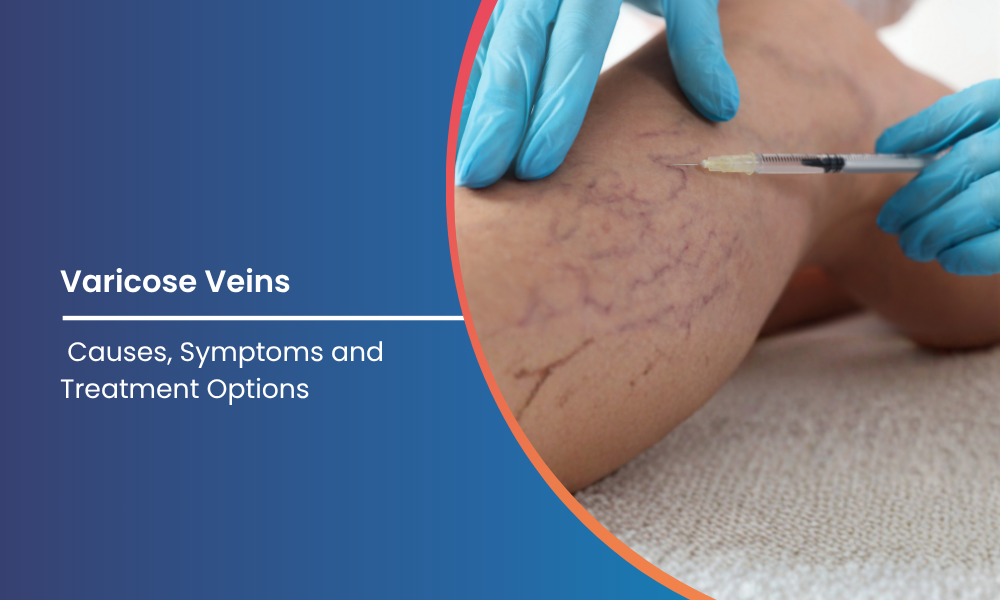
Varicose veins are a common vascular condition that can affect both the appearance and comfort of the legs. They often appear as enlarged, twisted or bulging veins beneath the skin, particularly around the calves and thighs. Some people notice only visible changes, while others experience aching, heaviness, swelling, or discomfort that worsens after standing for long periods.
Many people initially consider varicose veins a cosmetic concern. However, persistent leg vein problems may indicate an underlying circulation issue. In some cases, untreated venous disease can gradually lead to skin changes, inflammation, and hard-to-heal wounds.
The good news is that several management options are available. Depending on the condition's severity, varicose veins treatment may involve lifestyle adjustments, compression therapy, minimally invasive procedures, or vascular surgery.
Early assessment can help identify the cause of symptoms and determine whether treatment is necessary.
This guide explains why varicose veins develop, how to recognise their symptoms, the available vein treatment options, what happens during vascular evaluation and when to consult a specialist.
What Are Varicose Veins?
Varicose veins are enlarged, swollen, and often twisted veins that develop when blood doesn't flow efficiently back to the heart.
Although they can occur anywhere in the body, they most commonly affect the legs because veins must work against gravity to return blood to the heart.
Healthy leg veins contain small, one-way valves that prevent blood from flowing backwards. When these valves weaken or become damaged, blood can flow backwards and collect in the veins.
This increases pressure inside the affected vessels, causing them to stretch, enlarge and become more visible beneath the skin.
The condition is commonly associated with chronic venous insufficiency, in which the leg veins have difficulty returning blood efficiently.
Not everyone with varicose veins develops significant symptoms. However, some individuals experience progressive discomfort that may require medical attention.
What Causes Varicose Veins?
The main cause of varicose veins is improper valve function inside the veins.
Normally, leg muscles help push blood upwards towards the heart. One-way valves keep blood moving in the correct direction.
When the valves fail to close properly, blood may flow backwards, a process known as venous reflux.
Over time, this backward flow increases venous pressure and contributes to vein enlargement.
Several factors can increase the likelihood of developing this condition.
1. Family History
Genetics plays an important role in venous health.
People whose parents or close relatives have varicose veins may be more likely to develop similar problems. Inherited differences in vein walls and valves may contribute to this increased risk.
2. Increasing Age
As people grow older, vein walls and valves may gradually lose flexibility and function.
This can make it harder for blood to travel efficiently from the legs to the heart.
Although varicose veins are more common with age, younger adults can develop them too.
3. Prolonged Standing or Sitting
Occupations requiring extended periods of standing or sitting may contribute to venous discomfort.
Teachers, healthcare professionals, retail workers, office employees and others who remain in the same position for long periods may notice leg heaviness or swelling.
Movement helps activate the calf muscles, which support blood circulation. Remaining stationary for extended periods reduces this assistance.
4. Pregnancy
Pregnancy causes hormonal and circulatory changes that can increase pressure on leg veins.
As the uterus grows, it may also affect blood return from the lower limbs.
Varicose veins developing during pregnancy sometimes improve after childbirth, although they may persist in some individuals.
5. Excess Body Weight
Excess body weight can increase pressure on the leg veins and contribute to venous circulation problems.
Healthy, sustainable lifestyle habits may help reduce venous symptoms and support overall cardiovascular health.
6. Previous Deep Vein Thrombosis
A history of deep vein thrombosis (DVT) can damage venous valves or interfere with normal blood flow.
Some individuals subsequently develop post-thrombotic syndrome, which may involve swelling, discomfort, skin changes and varicose veins.
What Are the Common Symptoms of Varicose Veins?
Varicose vein symptoms differ from person to person.
Some individuals have clearly visible veins without discomfort, while others experience considerable symptoms even when the visible changes appear relatively mild.
Visible, Twisted or Bulging Veins
One of the most recognisable signs is the appearance of enlarged veins beneath the skin.
They may look rope-like, raised or twisted and commonly occur around the calves, behind the knees or along the thighs.
Their appearance can vary according to skin tone and the location of the affected vessels.
Aching or Heaviness in the Legs
Many people experience a dull ache, tiredness or a heavy sensation in their legs.
Symptoms may become more noticeable towards the end of the day, particularly after prolonged standing.
Elevating the legs while resting may provide temporary relief.
Swelling Around the Ankles
Venous circulation problems can contribute to fluid accumulation in the lower legs.
Swelling may be more noticeable in the evening or after long periods of inactivity.
Persistent swelling requires medical evaluation because it can also be caused by heart, kidney, lymphatic or other conditions.
Burning, Itching or Throbbing
Some people experience itching around visible veins, a burning sensation or occasional throbbing discomfort.
These symptoms may occur because of increased venous pressure and changes in surrounding tissues.
Night-Time Leg Discomfort
Leg discomfort or cramps may occur at night in some individuals with venous disease.
However, leg cramps are common and can have many other causes. Do not automatically attribute them to varicose veins.
Skin Discolouration and Irritation
Longstanding venous insufficiency may cause the skin around the ankles to become darker, dry, itchy or inflamed.
These changes can indicate more advanced venous disease and should be assessed by a healthcare professional.
Persistent pain, swelling, itching, or skin changes, especially when accompanied by visible veins, are important reasons to seek a vascular consultation.
NHS
Can Varicose Veins Become Dangerous?
Most varicose veins do not cause serious complications. However, some people develop problems from prolonged venous pressure or inflammation.
Chronic Venous Insufficiency
When the leg veins cannot return blood efficiently, persistent swelling and skin changes may develop.
Over time, affected skin may become fragile or inflamed.
Superficial Vein Thrombosis
A blood clot can sometimes form in a superficial vein, causing a painful, hard or tender area.
Medical assessment is important because certain superficial vein clots can extend towards the deeper venous system.
Venous Leg Ulcers
Advanced venous disease can contribute to ulcers, particularly around the inner ankle.
These wounds may heal slowly and require specialist treatment, wound care and management of the underlying venous condition.
Bleeding From Varicose Veins
Veins close to the skin surface may occasionally bleed following minor injury or skin breakdown.
Bleeding varicose veins require urgent medical assessment because bleeding can sometimes recur.
Deep Vein Thrombosis
Varicose veins and DVT are different conditions.
DVT involves a blood clot within a deep vein and can be serious. Sudden swelling or pain in one leg, especially with warmth or redness, requires prompt evaluation.
Chest pain, sudden breathlessness or coughing up blood may indicate a pulmonary embolism and require emergency medical care.
How Are Varicose Veins Diagnosed?
An accurate diagnosis helps determine whether visible veins are primarily cosmetic or linked to underlying venous reflux.
A vascular specialist usually begins with a clinical assessment.
Medical History and Physical Examination
The doctor may ask about symptom duration, family history, previous blood clots, pregnancies, and daily activities.
The doctor examines the legs for enlarged veins, swelling, tenderness, skin discolouration, and signs of venous ulcers.
The examination may be performed while standing because venous changes can become more apparent in that position.
Duplex Doppler Ultrasound
Duplex ultrasound is the principal investigation used to assess symptomatic varicose veins.
This non-invasive examination combines ultrasound imaging with blood flow assessment.
It helps doctors identify:
Veins with malfunctioning valves
The presence and direction of abnormal blood flow
Superficial and deep vein anatomy
The extent of venous reflux
Possible blood clots or venous obstruction
Duplex ultrasound findings help determine which treatment approaches may be appropriate.
Additional Investigations
Most patients do not require complex imaging beyond duplex ultrasound.
However, further investigations may be recommended if doctors suspect deeper vein obstruction, pelvic venous abnormalities or other vascular conditions.
The choice of investigation depends on symptoms and clinical findings.
DOI
What Are the Treatment Options for Varicose Veins?
Varicose veins treatment depends on symptom severity, ultrasound findings, medical history and patient preferences.
Not every person with visible varicose veins needs a procedure.
When symptoms are significant, or complications develop, specialist treatment may improve venous circulation and reduce discomfort.
1. Lifestyle Changes and Conservative Management
For individuals with mild symptoms, conservative measures may help improve comfort.
Regular physical activity
Walking and other suitable activities activate the calf muscles, supporting blood flow towards the heart.
Avoiding prolonged inactivity
Taking movement breaks during long periods of sitting or standing can help reduce leg discomfort.
Leg elevation
Resting with the legs raised may temporarily reduce swelling and heaviness.
Skin care
Moisturising dry skin and treating venous eczema can help protect skin affected by chronic venous disease.
These measures can relieve symptoms but do not repair damaged venous valves or reliably eliminate established varicose veins.
2. Compression Stockings
Medical compression stockings apply graduated pressure to the legs, helping support venous blood return.
They may reduce swelling, aching and heaviness in selected patients.
Compression therapy can be useful when procedures are unsuitable, during pregnancy or in specific circumstances recommended by a specialist.
However, compression stockings do not permanently correct venous reflux.
They should be fitted correctly and used as advised, particularly in people with peripheral arterial disease or other circulation problems.
For suitable patients with symptomatic reflux, clinical guidelines generally favour appropriate intervention over indefinite compression therapy alone.
RCP
3. Endovenous Laser Ablation (EVLA)
Endovenous laser ablation is a minimally invasive technique used to treat certain veins with abnormal blood flow.
During the procedure, a specialist introduces a thin laser fibre into the affected vein under ultrasound guidance.
Controlled thermal energy closes the abnormal vein, allowing blood to flow through healthier veins.
The procedure is commonly performed under local anaesthesia, although arrangements vary depending on the patient and treatment plan.
Potential benefits include:
Small access sites rather than extensive surgical incisions
Treatment of the underlying refluxing vein
A relatively short procedure and recovery period for suitable patients
Reduced need for conventional open surgery
Temporary bruising, tenderness or tightness may occur afterwards. Less common complications include nerve irritation, burns or blood clots.
The treating specialist should discuss individual benefits and risks before treatment.
4. Radiofrequency Ablation (RFA)
Radiofrequency ablation is another minimally invasive option for treating certain varicose veins.
Like laser ablation, it closes the abnormal vein, but uses radiofrequency-generated heat instead of laser energy.
A catheter is guided into the affected vein using ultrasound imaging.
Heat is applied to close the vein, redirecting blood through functioning vessels.
RFA and laser ablation are established treatment options for appropriate patients with superficial venous reflux.
The choice depends on vein anatomy, clinical findings, available expertise, and patient preferences.
5. Ultrasound-Guided Foam Sclerotherapy
Sclerotherapy involves injecting a specially prepared solution into an affected vein.
The solution causes the vein walls to react and close, after which the treated vein gradually becomes less prominent.
Foam sclerotherapy uses a foam preparation that can be monitored using ultrasound.
It may be considered for certain varicose veins, recurrent veins or when other treatment methods are unsuitable.
Some patients require more than one treatment session.
Possible side effects include temporary discomfort, changes in skin pigmentation, and inflammation. Rare complications can also occur, so appropriately trained professionals should perform the treatment.
6. Ambulatory Phlebectomy
Ambulatory phlebectomy removes selected superficial varicose veins through very small skin openings.
It may be performed under local anaesthesia.
This technique is often considered for prominent, bulging veins close to the skin surface and may be combined with treatment of an underlying refluxing vein.
Bruising and local tenderness are common temporary effects.
7. Conventional Varicose Vein Surgery
Traditional surgery may involve tying off and removing an affected superficial vein, a procedure often called ligation and stripping.
Although minimally invasive techniques are commonly preferred when suitable, conventional surgery remains an option in selected circumstances.
A vascular surgeon may recommend surgery based on vein anatomy, previous treatment, available procedures and individual clinical requirements.
The decision should include a discussion of expected benefits, recovery requirements and possible complications.
Which Varicose Vein Treatment Is Most Suitable?
No single procedure is appropriate for everyone.
Treatment selection depends on the location of abnormal veins, the extent of venous reflux, symptom severity, skin changes and general health.
For many patients with symptomatic superficial truncal reflux, guidelines recommend endovenous thermal ablation as an appropriate first-line intervention.
When thermal ablation is unsuitable, consider foam sclerotherapy or surgery.
Non-thermal treatments may also be appropriate in selected circumstances.
A duplex ultrasound examination and specialist consultation are therefore important before choosing between laser treatment, radiofrequency ablation, sclerotherapy and vascular surgery.
DOI+1
What Happens After Varicose Veins Treatment?
Recovery varies depending on the procedure performed.
Patients undergoing minimally invasive treatment can often resume gentle walking soon afterwards, while those requiring conventional surgery may need a longer recovery period.
Immediately After Treatment
A healthcare professional may recommend walking, leg movement and short-term compression therapy depending on the procedure.
Some discomfort, bruising or tightness around the treated vein may occur.
Patients receive individualised instructions regarding wound care, bathing, medicines and physical activity.
Returning to Daily Activities
Many people return to routine activities relatively quickly after endovenous procedures.
However, recovery depends on the number of veins treated, the technique used and individual health factors.
Strenuous activities may need temporary modification based on the treating specialist's advice.
Follow-Up Assessment
A follow-up appointment may be recommended to assess symptoms, healing and treatment response.
Ultrasound monitoring is used selectively, particularly when complications are suspected or when the patient's medical history indicates a need for additional assessment.
Report persistent or new symptoms to the treating team.
Can Varicose Veins Return After Treatment?
Yes. Although treated veins can be successfully closed or removed, new varicose veins may develop over time.
This can happen because venous disease may affect other veins or because additional areas of reflux develop.
Treatment substantially improves symptoms for many patients, but it does not guarantee that varicose veins will never recur.
Regular activity and recommended follow-up appointments can support long-term venous health.
Can Varicose Veins Be Prevented?
No guaranteed way exists to prevent varicose veins, especially when genetic factors are involved.
However, several habits may help support venous circulation and reduce discomfort.
Stay physically active through regular walking or other suitable exercise.
Avoid sitting or standing still for extended periods.
Take short movement breaks while working or travelling.
Follow a balanced diet and maintain sustainable health habits.
Elevate your legs periodically if you feel heaviness or mild swelling.
Seek medical advice about persistent leg symptoms rather than relying entirely on home remedies.
These measures support vascular health but cannot reverse established valve damage.
When Should You Consult a Vascular Surgeon?
A vascular specialist should assess varicose veins when symptoms interfere with daily activities or suggest more advanced venous disease.
Consider scheduling an evaluation if you experience:
Persistent leg pain or heaviness
Increasing swelling around the ankles
Prominent veins accompanied by discomfort
Recurrent itching or skin irritation
Darkening or thickening of the skin around the ankles
A wound on the lower leg that is slow to heal
Recurrent symptoms after previous vein treatment
Urgent assessment is appropriate for painful, hard, inflamed veins or sudden unexplained swelling.
Bleeding from a varicose vein also requires urgent care. If active bleeding occurs, apply firm direct pressure and elevate the leg while seeking medical assistance.
What Role Does CTVS Play in Varicose Vein Treatment?
CTVS stands for Cardiothoracic and Vascular Surgery, a speciality focused on the surgical management of conditions affecting the heart, chest, and blood vessels.
Within vascular care, appropriately trained specialists evaluate conditions involving arteries and veins, including certain cases of chronic venous insufficiency and varicose veins.
A vascular consultation may help determine:
Whether symptoms are caused by superficial venous reflux
Whether deeper venous disease needs investigation
Whether conservative treatment is appropriate
Which minimally invasive or surgical options may be suitable
Whether additional treatment is needed for skin changes or venous ulcers
Depending on the hospital's service arrangements, varicose vein assessment and treatment may also involve vascular surgeons, endovascular specialists, interventional radiologists and other clinicians with appropriate expertise.
The aim is to identify the underlying circulation problem and develop a treatment plan suited to the individual patient.
Questions to Ask Before Varicose Vein Treatment
Patients considering treatment can benefit from discussing several questions with their specialist.
What is causing my varicose veins?
Does my ultrasound show abnormal venous reflux?
Do I need a procedure, or can my symptoms be managed conservatively?
Which treatment options are appropriate for my vein anatomy?
What are the potential benefits and risks of the recommended procedure?
Will I need compression stockings afterwards?
How soon can I resume my usual activities?
Is additional treatment likely to be necessary?
What is the possibility of recurrence?
When should I return for follow-up?
Understanding the available options helps patients make informed decisions about vein treatment.
Frequently Asked Questions About Varicose Veins
1. What is the main cause of varicose veins?
Varicose veins usually develop when the valves in leg veins don't work properly. This allows blood to flow backwards and build up, increasing pressure in the veins. Genetics, ageing, pregnancy and prolonged standing or sitting can contribute to the condition.
2. Are varicose veins dangerous?
Most varicose veins are not dangerous and may cause only mild discomfort. However, some people develop complications such as skin inflammation, superficial vein thrombosis, bleeding or venous ulcers. If symptoms persist or you notice skin changes, have a healthcare professional evaluate them.
3. Can varicose veins disappear naturally?
Established varicose veins generally do not disappear completely on their own. Lifestyle changes may reduce discomfort and swelling, but they cannot reliably repair damaged vein valves. Varicose veins that develop during pregnancy may improve after childbirth.
4. What is the most effective treatment for varicose veins?
The best treatment depends on ultrasound findings, vein anatomy, and symptoms. Endovenous laser ablation and radiofrequency ablation are commonly recommended for suitable patients with symptomatic superficial venous reflux. Other options include foam sclerotherapy, phlebectomy and surgery.
5. Is laser treatment for varicose veins painful?
Endovenous laser treatment is commonly performed with local anaesthesia to reduce discomfort. Patients may experience temporary tenderness, bruising or tightness afterwards. Pain varies, and the specialist can explain what to expect during recovery.
6. Can walking help with varicose veins?
Walking activates the calf muscles, which support blood return from the legs to the heart. It may help reduce heaviness and improve comfort. However, walking does not permanently eliminate enlarged veins or repair faulty venous valves.
7. Do compression stockings cure varicose veins?
Compression stockings may help control symptoms such as swelling, aching and heaviness. They do not permanently correct the underlying venous reflux or remove established varicose veins. A healthcare professional should assess their suitability.
8. Is surgery always necessary for varicose veins?
No. Many people with mild or symptom-free varicose veins do not require surgery. Some benefit from conservative measures, while others may be suitable for minimally invasive procedures. Conventional surgery is generally considered when clinically appropriate.
9. How long does recovery take after varicose vein treatment?
Recovery depends on the procedure and the patient's overall health. Many individuals undergoing minimally invasive treatment resume normal daily activities relatively quickly, while conventional surgery may require a longer recovery period. Patients should follow their specialist's specific instructions.
10. Can varicose veins come back after treatment?
Yes. New varicose veins may develop after successful treatment because venous disease can affect additional blood vessels over time. Recurrence does not necessarily mean the original procedure was unsuccessful. Further evaluation can identify whether additional treatment is required.
11. What happens if varicose veins are left untreated?
Some varicose veins remain stable or cause only mild symptoms for years. Others gradually worsen and may cause swelling, skin pigmentation changes, eczema, or ulcers. A specialist can help assess the likelihood of complications and whether treatment is needed.
12. Which doctor should I consult for varicose veins?
A vascular surgeon or another appropriately trained venous specialist can evaluate varicose veins and recommend treatment. A general physician or a hospital's CTVS department may also refer patients, depending on the services available.