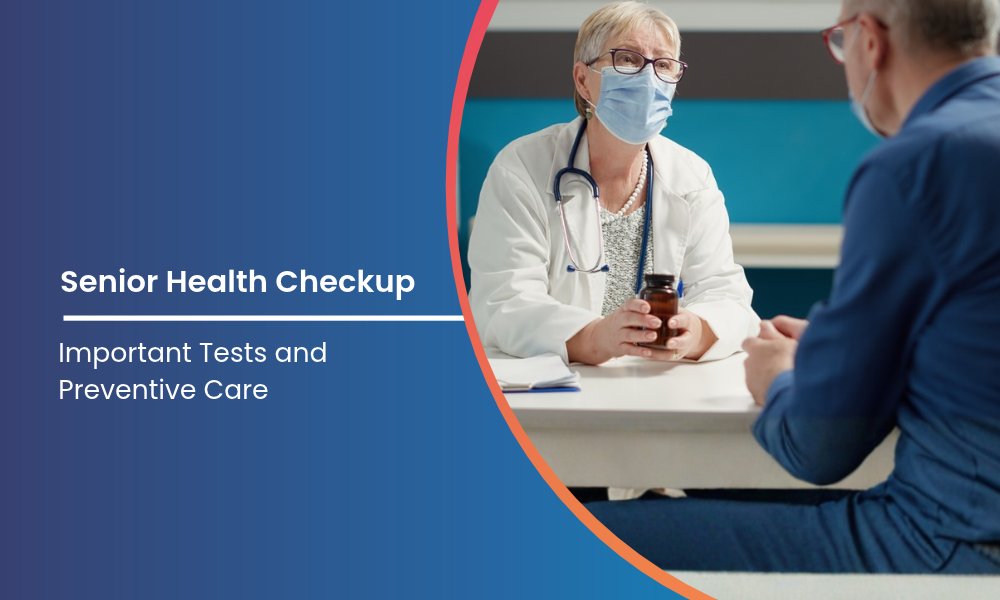
Senior Health Checkup Tests and Screenings
Overview
Ageing is a natural part of life, but staying healthy in later years requires more attention to preventive care, healthy habits, and regular medical checkups. As people grow older, the risk of developing conditions such as diabetes, high blood pressure, heart disease, osteoporosis, and vision problems may increase.
Many age-related health conditions develop gradually and may not show noticeable symptoms early on. For example, high blood pressure can remain undetected for years, while reduced bone strength may become apparent only after a fracture.
Regular senior health checkups help identify key health risks, monitor existing conditions, and guide preventive healthcare decisions. It also provides an opportunity to discuss mobility, nutrition, medication safety, emotional well-being, and changes in daily functioning.
However, preventive healthcare does not mean undergoing every available medical test. The most useful health assessments depend on a person's age, medical history, family history, existing conditions, and individual risk factors.
This guide explains key health tests for senior citizens, recommended preventive screenings, warning signs that require medical attention, and practical steps to support healthy aging.
Why Are Regular Health Checkups Important for Senior Citizens?
As the body ages, metabolism, muscle strength, bone density, immunity, and organ function change. These changes may increase vulnerability to certain health conditions.
Older adults may also have multiple chronic diseases, making coordinated medical care especially important.
Regular elderly health checkups can help with:
Identifying previously undiagnosed medical conditions.
Monitoring diabetes, hypertension, and heart disease.
Assessing bone health and fracture risk.
Detecting hearing and vision difficulties.
Reviewing medications and possible side effects.
Evaluating mobility, memory, and emotional well-being.
Planning appropriate vaccinations and preventive care.
The World Health Organization emphasizes person-centered assessments that consider physical and mental abilities alongside medical conditions. Its Integrated Care for Older People approach includes mobility, nutrition, cognition, hearing, vision, and psychological health.
These assessments help healthcare professionals develop care plans based on older adults' individual needs and priorities.
What Does a Comprehensive Senior Health Checkup Include?
A comprehensive senior citizen health checkup usually begins with a medical consultation.
The doctor reviews current symptoms, past illnesses, family medical history, medications, lifestyle habits, and functional abilities.
Basic measurements may include blood pressure, weight, pulse rate, and other observations relevant to the person's condition.
The doctor then recommends appropriate preventive screening tests.
Some assessments help most older adults, while others are needed only when symptoms, medical history, or specific risk factors suggest a potential problem.
Important Health Tests for Senior Citizens
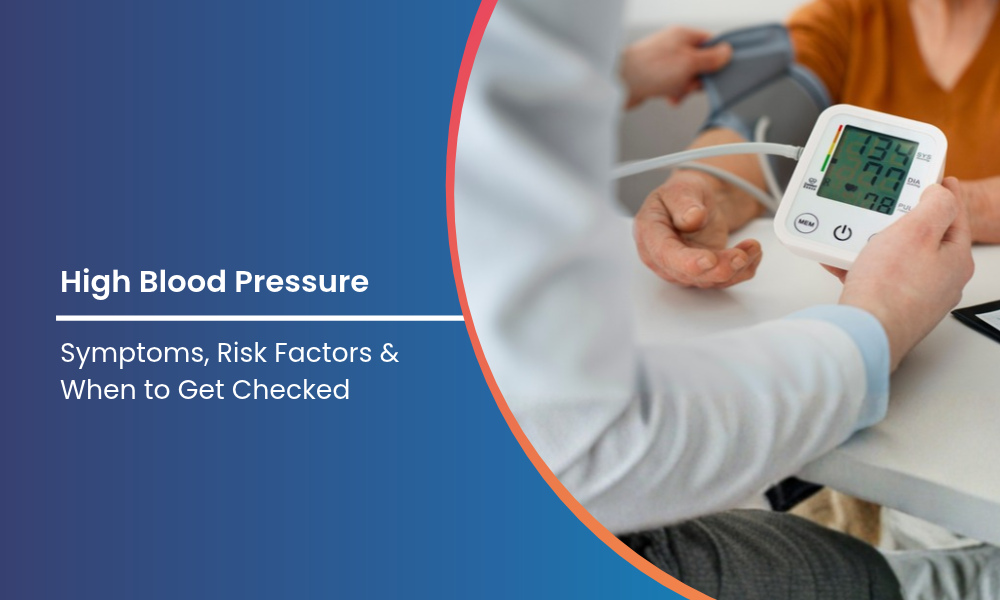
1. Blood Pressure Screening
High blood pressure, also called hypertension, is a major risk factor for heart disease, stroke, and kidney problems.
It often develops without obvious symptoms, so regular blood pressure monitoring is important.
A doctor may measure blood pressure during routine consultations and recommend home monitoring when necessary.
Individuals already receiving hypertension treatment may need more frequent monitoring.
Early identification and appropriate management can help reduce cardiovascular complications.
2. Blood Sugar and Diabetes Screening
The risk of type 2 diabetes increases with age, particularly among people with excess abdominal fat, a family history of diabetes, or limited physical activity.
Common screening tests include:
Fasting blood glucose: Measures blood sugar after an appropriate fasting period.
HbA1c: Estimates average blood glucose over about 2 to 3 months.
The doctor determines which test is suitable and how often to repeat it.
People already diagnosed with diabetes require individualized monitoring to assess treatment effectiveness and identify possible complications.
3. Cholesterol and Lipid Profile
A lipid profile measures different types of fats in the blood, including LDL cholesterol, HDL cholesterol, and triglycerides.
Abnormal cholesterol levels can contribute to plaque buildup in arteries, increasing cardiovascular risk.
A lipid profile may help doctors assess cardiovascular risk and decide whether lifestyle changes or medication are appropriate.
Testing frequency depends on previous results, overall cardiovascular risk, and ongoing treatment.
4. Kidney Function Tests
Kidney function may decline with age, particularly among individuals with diabetes, hypertension, or established kidney disease.
Common investigations include serum creatinine and estimated glomerular filtration rate (eGFR).
Urine albumin testing may also be recommended to identify signs of kidney damage.
These tests are especially important for people with conditions or medicines that can affect kidney function.
Routine kidney testing for every healthy senior citizen is not always necessary.
5. Bone Density Screening
Osteoporosis is a condition in which bones become weaker and more vulnerable to fractures.
It may progress without symptoms until a fracture occurs.
A dual-energy X-ray absorptiometry scan, commonly called a DEXA or DXA scan, measures bone mineral density.
International preventive screening guidance recommends osteoporosis screening for women aged 65 years and older and selected younger postmenopausal women with increased fracture risk. For men, decisions are more individualized because evidence for universal screening is less certain.
Doctors may also assess previous fractures, falls, medication use, and other factors that affect bone strength.
6. Eye and Vision Examination
Age-related eye conditions can affect independence, reading, driving, and everyday activities.
Common concerns include cataracts, glaucoma, diabetic retinopathy, and age-related macular degeneration.
A comprehensive eye examination may assess visual acuity, eye pressure, and retinal health when appropriate.
People with diabetes or other eye diseases may need more frequent specialist exams.
Timely eye care can help manage treatable conditions and reduce avoidable visual impairment.
7. Hearing Assessment
Hearing loss is common among older adults and may develop gradually.
Untreated hearing difficulties can interfere with communication, social participation, and everyday safety.
A doctor may ask about difficulty understanding conversations, hearing television clearly, or communicating in noisy environments.
When indicated, an audiometry test can evaluate hearing ability.
Suitable hearing aids and communication strategies may improve daily functioning.
8. Cancer Screening
Cancer screening is an important component of preventive healthcare, but recommendations vary by cancer type, age, risk factors, and previous screening history.
Relevant assessments may include:
Breast cancer screening, such as mammography, for eligible women.
Cervical cancer screening for women within recommended age and risk groups.
Colorectal cancer screening through stool-based testing or colonoscopy when appropriate.
Lung cancer screening with low-dose CT for selected individuals with significant smoking histories.
Prostate-specific antigen testing is not routinely appropriate for every older man and should be discussed individually.
For example, US Preventive Services Task Force guidance generally recommends colorectal cancer screening through age 75, with selective screening between 76 and 85. Local recommendations and personal circumstances may differ.
Unnecessary screening can lead to false-positive findings, further investigations, and potential harm. Therefore, a doctor should explain the expected benefits and limitations.
9. Heart Health Evaluation
Cardiovascular assessment is particularly important for older adults with diabetes, hypertension, high cholesterol, or a history of heart disease.
A doctor may assess blood pressure, symptoms, smoking history, physical activity, and overall cardiovascular risk.
A doctor may recommend an electrocardiogram, echocardiogram, or other cardiac investigation when clinically indicated.
However, routine ECGs and advanced cardiac imaging are not necessary for every older adult without symptoms or relevant risk factors.
10. Thyroid, Anemia, and Nutritional Assessments
Some older adults experience fatigue, weakness, unexplained weight changes, or reduced appetite.
Depending on symptoms, a doctor may recommend a complete blood count to investigate anemia or thyroid function tests to assess suspected thyroid disorders.
Vitamin B12, vitamin D, iron, or other nutritional investigations may be appropriate when specific deficiencies are suspected.
Select these investigations based on clinical findings rather than automatically including them in every senior health checkup package.
Preventive Screening Beyond Blood Tests
A meaningful senior health assessment involves more than laboratory investigations.
Memory and Cognitive Health
Occasional forgetfulness does not necessarily indicate dementia.
However, increasing difficulty remembering important information, managing finances, following familiar routines, or navigating familiar places deserves evaluation.
A doctor may assess cognitive functioning when concerns are raised.
Not every older adult requires extensive dementia testing without symptoms or other indications.
Mental Health and Emotional Well-Being
Depression, anxiety, loneliness, and sleep disturbances can affect quality of life among senior citizens.
Do not dismiss persistent sadness, loss of interest, social withdrawal, or significant changes in sleep patterns as normal aging.
A proper mental health assessment can help identify conditions that require support.
Mobility and Fall-Risk Assessment
Falls can cause fractures, reduced independence, and prolonged recovery.
Healthcare professionals may assess walking ability, balance, muscle strength, a history of falls, and medications that can contribute to dizziness.
Exercise programs incorporating strength and balance training can help reduce falls among older adults at increased risk.
Medication Review
Older adults sometimes take several medicines for different conditions.
Regular medication review helps identify unnecessary medicines, potential interactions, side effects, and dosing concerns.
Patients should bring a list of medications, including supplements and over-the-counter products, to appointments.
Do not stop or change prescribed medicines without medical guidance.
How Often Should Senior Citizens Have a Health Checkup?
No single schedule suits every older adult.
Many people aged 60 years and above benefit from an annual preventive healthcare review, even when they feel well.
However, individuals with diabetes, hypertension, heart disease, kidney disease, or other chronic conditions may require more frequent appointments.
Certain screening tests are performed at longer intervals rather than annually.
A doctor can recommend a personalized schedule based on medical history, previous results, current treatment, and overall health.
The objective is timely, appropriate assessment rather than repeating every investigation each year.
Preventive Healthcare Tips for Healthy Aging
Regular medical assessments work best when paired with everyday healthy habits.
Maintain a Balanced Diet
Meals containing vegetables, fruits, whole grains, pulses, and suitable protein sources support nutritional health.
Older adults may need additional nutritional guidance if they have a poor appetite, swallowing difficulties, or unintended weight loss.
Stay Physically Active
Walking, suitable strength exercises, and balance activities can support mobility and overall well-being.
Exercise plans should reflect existing health conditions and physical abilities.
Keep Vaccinations Up to Date
Older adults should discuss influenza, pneumococcal, shingles, COVID-19, and tetanus-related vaccination needs with their healthcare provider.
Recommendations depend on medical history, previous vaccination, vaccine availability, and applicable Indian guidance.
Prioritize Sleep and Social Connections
Adequate sleep and regular social interaction support emotional and cognitive well-being.
Participating in family activities, hobbies, and community programs may also support a fulfilling lifestyle.
Avoid Tobacco and Limit Harmful Exposures
Avoiding tobacco and second-hand smoke supports cardiovascular and respiratory health.
Managing indoor air quality and reducing unnecessary exposure to air pollution are also useful preventive measures.
How to Prepare for a Senior Health Checkup
Preparation helps make medical consultations more productive.
Before visiting the hospital, gather previous medical reports, prescription details, vaccination records, and recent home blood pressure or glucose readings.
Note any new symptoms, changes in mobility, sleep difficulties, or memory concerns.
Family members may accompany older adults when they need assistance, while respecting their preferences and independence.
Patients should also confirm whether any recommended blood tests require fasting.
After the consultation, discuss the results, needed lifestyle changes, referrals, and when to schedule future assessments.
When Should Older Adults Seek Immediate Medical Attention?
Routine checkups are not substitutes for urgent medical care.
Seek emergency assistance for sudden chest pain, severe breathing difficulty, stroke-like symptoms, sudden confusion, fainting, or a serious fall with suspected injury.
Promptly assess other concerning symptoms, such as unexplained weight loss, persistent fatigue, recurrent dizziness, or a significant change in daily functioning.
Early medical attention may help identify treatable conditions before complications develop.
Frequently Asked Questions About Senior Health Checkups
1. What is included in a senior health checkup?
A senior health checkup generally includes medical history review, physical examination, blood pressure assessment, medication review, and selected screening tests. Additional evaluations may address diabetes, cardiovascular health, bone density, vision, hearing, and mobility depending on individual needs.
2. At what age should senior citizens start regular health checkups?
Preventive healthcare is important throughout adulthood. In India, people aged 60 years and above are generally considered senior citizens. Regular reviews are especially useful in later life, but frequency should depend on individual health risks.
3. Which blood tests are important for elderly people?
Depending on medical history and symptoms, doctors may recommend blood glucose, HbA1c, lipid profile, kidney function, and a complete blood count. Thyroid and nutritional tests are useful in selected circumstances, not routinely for everyone.
4. Is an annual health checkup necessary after age 60?
An annual preventive medical review is a reasonable approach for many older adults. However, not every test needs to be repeated annually. People with chronic conditions may need more frequent monitoring, as advised by their doctor.
5. Why is bone density testing important for senior citizens?
Bone density testing can help identify osteoporosis and assess fracture risk. It is particularly relevant for women aged 65 and older and people with certain risk factors, although screening decisions should remain individualized.
6. Are full-body scans necessary for senior health screening?
Routine full-body scans are generally not recommended for healthy individuals without specific medical indications. They may reveal incidental findings, involve unnecessary radiation exposure, and lead to investigations that offer little benefit.
7. Can regular health checkups prevent heart disease?
Health checkups cannot guarantee prevention, but they can identify risk factors such as high blood pressure, diabetes, and abnormal cholesterol. Appropriate treatment and lifestyle changes can help reduce cardiovascular risk.
8. Should elderly people undergo cancer screening every year?
Cancer screening intervals vary according to cancer type, age, risk factors, and previous findings. Some tests are repeated every few years, while others may no longer be appropriate at advanced ages. Individual medical guidance is important.
9. What should families consider when choosing a senior health checkup package?
Families should look for a package that includes a medical consultation, relevant age-appropriate assessments, and clear follow-up recommendations. More tests do not automatically mean better preventive care.
10. Which doctor should senior citizens consult for preventive healthcare?
A general medicine physician or geriatric medicine specialist can provide an initial comprehensive assessment. Based on individual findings, they may refer to cardiology, endocrinology, orthopedics, ophthalmology, or other specialties.