


Chest & Lung Diseases
Pleural Effusion
Respiratory Diseases
Lung Cancer
Pulmonary Fibrosis
Pneumonia & Tuberculosis
Sleep Disorders
Asthma & Allergy Disorders
Bronchoscopy, Endobronchial Ultrasound (EBUS), Thoracoscopy
Pulmonary Rehabilitation
Interstitial Lung Disease (ILD)
COPD and Smoking-related Lung Disorders.
Respiratory Medicine
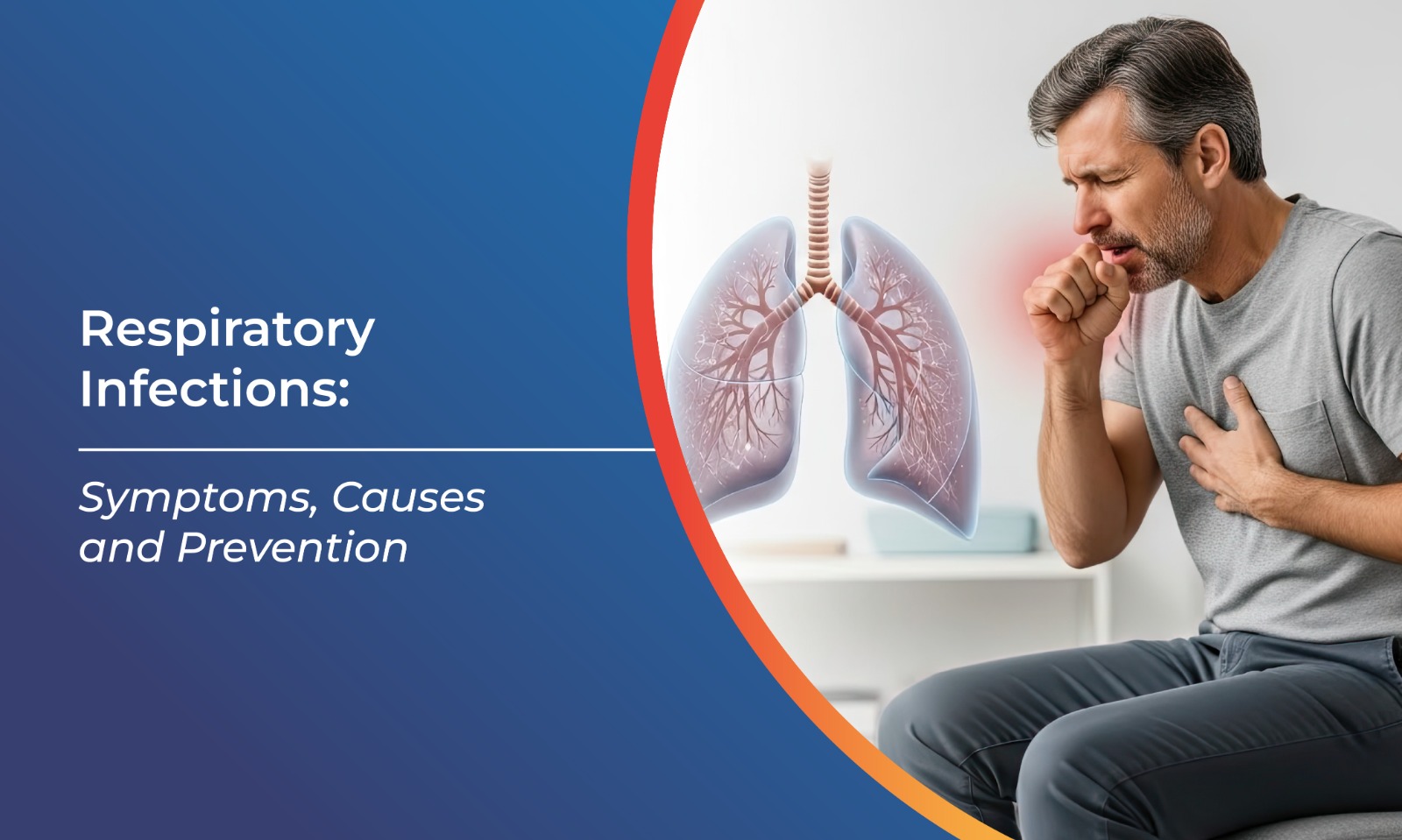
Respiratory Infections Symptoms Causes and Prevention
31 Aug 2026
Overview
Respiratory infections are illnesses that affect the nose, throat, airways, or lungs. They are among the most common health problems during seasonal changes, particularly when people spend more time indoors, environmental conditions change, or respiratory viruses circulate more widely.
Common respiratory infection symptoms include cough, sore throat, runny or blocked nose, fever, tiredness, and headache. Some infections remain mild and improve with supportive care, while others can affect the lower respiratory tract and require medical attention.
Because a cough, cold, influenza, and other respiratory illnesses can produce overlapping symptoms, it is not always possible to identify the cause based on symptoms alone. Understanding common cold and flu symptoms, possible causes of a cough infection, warning signs, and preventive measures can help individuals and families make informed healthcare decisions.
What Is a Respiratory Infection?
A respiratory infection occurs when an infectious organism affects part of the respiratory system. The respiratory tract includes the:
Nose and nasal passages
Sinuses
Throat
Voice box
Airways
Lungs
Respiratory infections are commonly divided into upper and lower respiratory tract infections.
Upper Respiratory Tract Infections
Upper respiratory infections primarily affect structures such as the nose, sinuses, and throat.
The common cold is a familiar example. Other conditions can affect the sinuses, throat, or voice box.
Symptoms often include a blocked or runny nose, sneezing, sore throat, cough, and general discomfort.
Lower Respiratory Tract Infections
Lower respiratory infections affect the airways or lungs. Examples include some forms of bronchitis, bronchiolitis, and pneumonia.
These illnesses can cause cough, fever, breathing difficulty, chest discomfort, wheezing, or other symptoms. Lower respiratory infections can sometimes be more serious, particularly in young children, older adults, and people with certain underlying health conditions.
What Causes Respiratory Infections?
Respiratory infections are most commonly caused by viruses or bacteria.
Viral Respiratory Infections
Viruses are responsible for many common respiratory illnesses. Different viruses can cause the common cold, influenza, and other respiratory infections.
Viral infections often improve without antibiotics because antibiotics do not treat viruses.
However, the severity of viral illness varies. Some viral respiratory infections can become serious or contribute to complications, particularly in people at higher risk.
Bacterial Respiratory Infections
Bacteria can cause certain throat, airway, and lung infections.
Some bacterial infections require antibiotics, but antibiotics should only be used when clinically appropriate. A healthcare professional determines whether a bacterial infection is likely and whether antibiotic treatment is necessary.
Can a Viral Infection Lead to a Bacterial Infection?
In some situations, a viral respiratory illness can be followed by a secondary bacterial infection.
For example, a person may initially improve and then develop new or worsening symptoms. However, worsening symptoms do not automatically mean that a bacterial infection has developed.
Medical assessment may be required to determine the cause.
Common Respiratory Infection Symptoms
Respiratory infection symptoms vary according to the part of the respiratory tract affected, the infectious organism, age, and overall health.
Common symptoms include:
Cough
Runny nose
Blocked or congested nose
Sneezing
Sore throat
Fever
Headache
Tiredness or weakness
Muscle or body aches
Reduced appetite
Hoarse voice
Chest discomfort in some cases
Wheezing in some patients
Shortness of breath in more significant infections
Not every person develops all of these symptoms.
The combination, duration, and severity of symptoms can help a healthcare professional determine whether further evaluation or testing is needed.
Understanding Cough During a Respiratory Infection
Cough is one of the most frequent symptoms associated with respiratory illness. It is a protective reflex that helps clear mucus, irritants, and other material from the airways.
A cough infection may be associated with an upper respiratory illness or an infection affecting the lower airways or lungs.
A cough may be:
Dry
Associated with mucus
Mild and occasional
Frequent or persistent
Accompanied by wheezing
Associated with chest discomfort
A cough can sometimes continue after other symptoms of a respiratory infection have improved because the airways may remain irritated.
However, a persistent or worsening cough, coughing up blood, breathing difficulty, significant chest pain, or a cough accompanied by prolonged fever should be medically evaluated.
Cold and Flu Symptoms: What Is the Difference?
The common cold and influenza are both viral respiratory illnesses, but they are caused by different viruses.
Their symptoms can overlap, making it difficult to distinguish between them based only on how a person feels.
Common Cold Symptoms
A cold commonly causes:
Runny or blocked nose
Sneezing
Sore throat
Cough
Mild tiredness
Headache in some cases
Fever can occur but is not always present.
Common Flu Symptoms
Influenza can cause:
Fever
Cough
Sore throat
Headache
Muscle aches
Chills
Significant tiredness
Runny or blocked nose in some people
Flu symptoms can sometimes begin more abruptly and cause greater overall illness than a typical cold.
However, symptoms alone cannot always identify the responsible virus. Testing may be appropriate in certain clinical circumstances.
Why Do Respiratory Infections Increase During Seasonal Changes?
Respiratory infections can occur throughout the year, but seasonal patterns are common.
Several factors may contribute.
Changes in Temperature and Humidity
Environmental conditions can influence how some respiratory viruses circulate and survive.
Seasonal changes may also alter how much time people spend indoors and how closely they interact with others.
Increased Indoor Contact
When people spend more time in enclosed or poorly ventilated spaces, respiratory viruses may spread more easily through close contact and respiratory particles.
Schools, workplaces, public transport, and crowded indoor settings can provide opportunities for transmission.
Seasonal Virus Circulation
Different respiratory viruses may circulate more widely at particular times of year.
This does not mean that cold weather itself directly causes an infection. An infectious organism must be present for an infection to occur.
How Do Respiratory Infections Spread?
Many respiratory infections spread when an infected person releases virus-containing respiratory particles while coughing, sneezing, talking, or breathing.
Transmission can also occur through close contact. For some infections, touching contaminated surfaces and then touching the eyes, nose, or mouth may contribute to spread.
The exact transmission pattern depends on the organism involved.
A person may sometimes transmit a respiratory infection before they realize they are ill, which makes routine preventive habits important during periods of increased respiratory illness.
Who Is at Greater Risk of Complications?
Most healthy individuals recover from uncomplicated respiratory infections, but some people are more likely to develop severe illness or complications.
Higher-risk groups can include:
Infants and young children
Older adults
Pregnant women
People with weakened immune systems
People with chronic lung conditions
People with certain heart conditions
People with other significant chronic illnesses
People in higher-risk groups should seek medical advice appropriately when respiratory symptoms develop, particularly if symptoms are worsening.
How Are Respiratory Infections Diagnosed?
Many mild respiratory infections can be assessed based on symptoms and a clinical examination.
When symptoms are severe, prolonged, unusual, or occur in a person at increased risk, additional testing may be needed.
Medical History
A doctor may ask about:
When symptoms began
Presence and duration of fever
Type and duration of cough
Breathing difficulties
Chest discomfort
Exposure to people with respiratory illness
Recent travel
Existing health conditions
Current medicines
Vaccination history
Physical Examination
A healthcare professional may examine the nose and throat and listen to the lungs.
Breathing rate, oxygen levels, temperature, and other clinical observations may also be assessed depending on the person's symptoms.
Laboratory Tests
Testing for particular respiratory viruses may be recommended in some circumstances, especially when the result could affect treatment, infection-control measures, or clinical decisions.
Chest Imaging
A chest X-ray or other imaging may be recommended when pneumonia or another lower respiratory condition is suspected.
Not every cough or cold requires imaging.
Respiratory Infection Treatment
Treatment depends on the cause, severity, symptoms, age, and underlying health of the patient.
Many uncomplicated viral respiratory infections improve with supportive care.
Rest and Fluids
Adequate rest can support recovery. Maintaining appropriate fluid intake is also important, particularly when fever is present.
People who are unable to maintain hydration should seek medical advice.
Managing Fever and Discomfort
Medicines may sometimes be used to reduce fever or relieve pain. The appropriate medicine and dose depend on age, health conditions, other medicines, and individual circumstances.
Children and adolescents should only receive medicines that are appropriate for their age and recommended by a qualified healthcare professional.
Treatment for Cough
Treatment depends on the type and cause of the cough.
Not every cough requires a cough medicine. In particular, cough and cold products may not be suitable for young children.
A healthcare professional can advise whether symptom-relieving medication is appropriate.
Are Antibiotics Needed?
Antibiotics treat bacterial infections; they do not treat viruses.
Because many common respiratory illnesses are viral, antibiotics are not routinely needed for every cough, cold, or flu-like illness.
Unnecessary antibiotic use can cause side effects and contribute to antibiotic resistance. Patients should not take leftover antibiotics or use another person's prescription.
When a bacterial respiratory infection is diagnosed or strongly suspected, a doctor may prescribe an appropriate antibiotic based on the clinical situation.
Respiratory Infection in Children
Respiratory infections are common in children because they frequently encounter viruses at school, childcare settings, and other social environments.
Symptoms can include a runny nose, cough, fever, sore throat, reduced appetite, and tiredness.
Parents and caregivers should monitor the child's breathing, hydration, activity, and overall condition rather than focusing only on the temperature reading.
Prompt medical assessment is important if a child develops difficulty breathing, appears unusually drowsy, cannot drink adequately, shows signs of dehydration, or has symptoms that are rapidly worsening.
Respiratory Infection in Older Adults
Older adults may be more vulnerable to complications from respiratory infections, particularly when they have chronic heart, lung, or other medical conditions.
Symptoms may not always follow the typical pattern seen in younger adults.
A significant change in breathing, alertness, strength, or ability to perform normal activities can warrant medical assessment, especially when accompanied by respiratory symptoms.
Possible Complications of Respiratory Infections
Most uncomplicated upper respiratory infections improve without major problems. However, some infections can progress or lead to complications.
Depending on the cause, possible complications may include:
Pneumonia
Worsening of asthma or another chronic respiratory condition
Dehydration
Secondary infections
Significant breathing difficulties
The risk depends on the infectious organism, age, overall health, and severity of illness.
Early medical assessment is important when symptoms suggest a more serious lower respiratory infection.
How to Prevent Respiratory Infections
Although it is not possible to prevent every respiratory illness, several everyday measures can reduce transmission.
1. Wash Your Hands Regularly
Wash hands thoroughly with soap and water, especially after coughing, sneezing, returning from public places, and before eating.
When appropriate, an alcohol-based hand sanitizer can be useful when soap and water are not readily available.
2. Cover Coughs and Sneezes
Cover the mouth and nose with a tissue or the inside of the elbow when coughing or sneezing.
Dispose of used tissues appropriately and clean your hands afterwards.
3. Avoid Touching Your Face With Unclean Hands
Respiratory microorganisms can potentially enter through the eyes, nose, or mouth.
Regular hand hygiene can help reduce this route of transmission.
4. Improve Indoor Ventilation
Good ventilation can reduce the concentration of infectious respiratory particles in indoor spaces.
Opening windows and doors when appropriate or using suitable ventilation systems may improve air circulation.
5. Limit Close Contact When Ill
People with fever, significant cough, or other symptoms of an infectious respiratory illness should avoid unnecessary close contact with others, particularly people who are at higher risk of severe illness.
Following local public health guidance regarding school, work, testing, or isolation is also important.
6. Avoid Sharing Personal Items
Avoid sharing items that may become contaminated with respiratory secretions, particularly when someone is unwell.
7. Keep Frequently Touched Surfaces Clean
Cleaning commonly touched surfaces can form part of general infection-control practices, particularly in homes where someone is ill.
8. Consider Recommended Vaccinations
Vaccination can help prevent or reduce the severity of certain respiratory infections.
Which vaccines are appropriate depends on age, health status, pregnancy, risk factors, and current public health recommendations. A healthcare professional can provide individualized vaccination advice.
Supporting Respiratory Health During Seasonal Changes
Seasonal prevention involves more than trying to avoid changes in temperature.
Prioritize adequate sleep, balanced nutrition, appropriate hydration, regular hand hygiene, and good ventilation. People with chronic respiratory conditions should continue prescribed treatment and follow their healthcare professional's management plan.
There is no single food, supplement, or home remedy that guarantees protection against respiratory infection.
When Should You See a Doctor?
Seek medical advice when respiratory symptoms are persistent, severe, or worsening instead of gradually improving.
Medical evaluation is particularly important for:
Breathing difficulty
Persistent or high fever
Significant chest discomfort
Severe weakness
Dehydration
Symptoms that improve and then become substantially worse
Persistent cough
Worsening of an existing lung condition
Illness in a person at increased risk of complications
A healthcare professional can determine whether further testing or specific treatment is needed.
When Is a Respiratory Infection an Emergency?
Seek urgent medical care for severe difficulty breathing, bluish or grey discolouration of the lips or face, significant chest pain, confusion, fainting, inability to stay awake, or another rapid deterioration in condition.
A child who is struggling to breathe, is unusually difficult to wake, or cannot maintain adequate fluid intake also needs prompt medical assessment.
Frequently Asked Questions About Respiratory Infections
1. What are common respiratory infection symptoms?
Common symptoms include cough, sore throat, runny or blocked nose, fever, headache, tiredness, sneezing, and body aches. Lower respiratory infections may also cause breathing difficulty, chest discomfort, or wheezing.
2. What causes respiratory infections?
Viruses and bacteria cause most. The specific organism and part of the respiratory tract affected determine the type and severity of illness.
3. Is a cough always a sign of infection?
No. A cough can also occur because of allergies, asthma, irritation, reflux, and other conditions. Persistent or concerning coughs should be evaluated by a healthcare provider.
4. How can I tell the difference between a cold and flu?
Cold and flu symptoms overlap. Colds commonly involve nasal and throat symptoms, while influenza can cause fever, muscle aches, headache, cough, and significant fatigue. Symptoms alone cannot always reliably identify the infection.
5. Do respiratory infections require antibiotics?
Many respiratory infections are viral and do not benefit from antibiotics. Use antibiotics only for selected bacterial infections when clinically appropriate.
6. How long does a respiratory infection last?
Duration varies by cause and severity. Many uncomplicated infections improve over time, although cough can sometimes persist after other symptoms resolve. Seek evaluation for prolonged or worsening symptoms.
7. Can respiratory infections spread through the air?
Many respiratory infections can spread through respiratory particles released when an infected person breathes, talks, coughs, or sneezes. Transmission patterns vary between organisms.
8. How can respiratory infections be prevented?
Hand hygiene, covering coughs and sneezes, good ventilation, reducing close contact when ill, and receiving recommended vaccinations can help reduce risk.
9. When should a cough be checked by a doctor?
Seek medical advice when a cough is persistent or worsening, or when it occurs with breathing difficulty, significant chest pain, coughing up blood, prolonged fever, or other concerning symptoms.
10. Who is at higher risk of severe respiratory illness?
Young children, older adults, pregnant women, people with weakened immune systems, and those with certain chronic heart or lung conditions may have a greater risk of complications.


