Preventive Health Checkup Benefits Tests and Importance
Overview
People often take good health for granted until symptoms begin to interfere with daily life. However, several common medical conditions, including high blood pressure, diabetes, and certain cancers, may develop without noticeable symptoms during their early stages.
Waiting until symptoms appear can sometimes delay diagnosis and treatment. This is why preventive healthcare plays an important role in maintaining long-term well-being.
A preventive health checkup is a medical evaluation that assesses overall health, identifies risk factors, and recommends appropriate screening tests. Rather than focusing only on existing illnesses, preventive care helps individuals understand potential health concerns and take informed steps to reduce their risk.
An annual health checkup can also provide an opportunity to discuss lifestyle habits, family medical history, vaccinations, mental well-being, and age-appropriate screening requirements.
However, preventive healthcare does not mean undergoing every available medical test. The best approach is to choose investigations based on age, medical history, existing conditions, and individual risk factors.
This guide explains the importance of regular health checkups, common health screening tests, who may benefit from preventive evaluations, and how screening supports early disease detection and long-term health management.
What Is a Preventive Health Checkup?
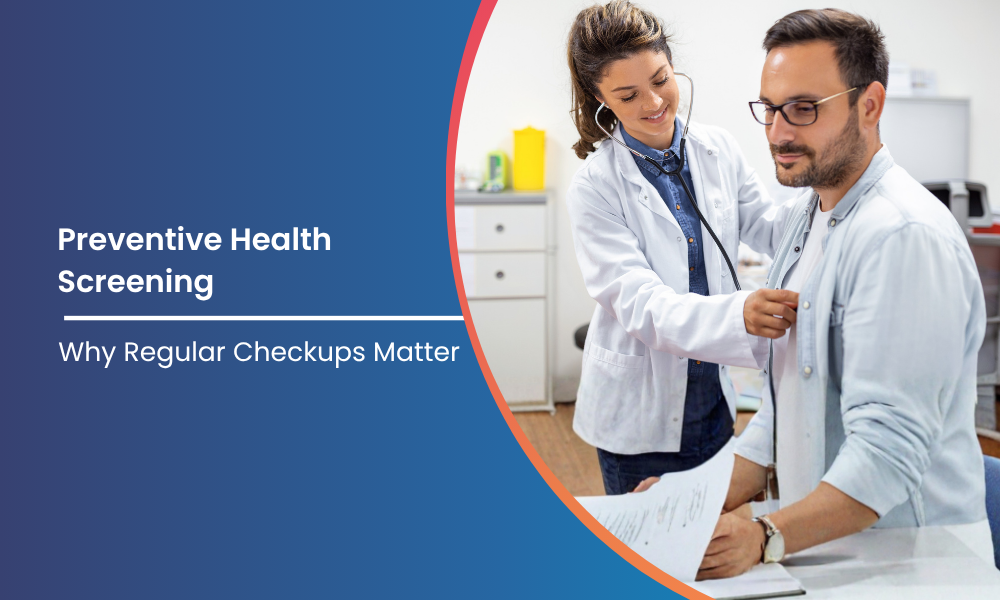
A preventive health checkup is a planned medical assessment that evaluates a person's current health and identifies factors that may increase the likelihood of developing certain diseases.
Unlike consultations that focus on specific symptoms or illnesses, preventive appointments often assess health risks before a medical condition becomes apparent.
A preventive evaluation may include a review of medical history, physical examination, blood pressure measurement, recommended laboratory investigations, and screening for selected conditions.
The exact components depend on the individual's age, sex-related clinical needs, personal and family history, and other health factors.
What Is the Difference Between Preventive Screening and Diagnostic Testing?
Preventive screening is generally performed in people without symptoms of the condition being investigated.
For example, measuring blood pressure during a routine appointment can help identify hypertension in someone who feels well.
Diagnostic testing, on the other hand, investigates symptoms, abnormal examination findings, or previously identified medical concerns.
Both approaches are important, but they serve different purposes.
A preventive health checkup should be personalised, not treated as a fixed set of tests for everyone.
Why Are Regular Health Checkups Important?
Regular medical evaluations create opportunities to assess health risks, identify certain conditions early, and discuss practical disease prevention strategies.
1. Early Detection of Silent Health Conditions
Some chronic diseases develop gradually without producing obvious warning signs.
High blood pressure, for example, frequently causes no noticeable symptoms. Similarly, some people with type 2 diabetes may remain unaware of their condition until it is identified through testing.
Appropriate screening may help identify these conditions before complications develop.
Early recognition can allow healthcare professionals to recommend treatment, monitoring, and lifestyle measures when clinically indicated.
2. Identifying Risk Factors Before Disease Develops
Preventive care involves more than detecting established illness.
Doctors may identify risk factors such as elevated blood pressure, abnormal cholesterol levels, tobacco exposure, inactivity, or a family history of certain diseases.
Recognising these factors allows patients to discuss ways to reduce future health risks.
3. Supporting Better Management of Chronic Conditions
People already diagnosed with diabetes, hypertension, or other chronic conditions may require regular monitoring.
Follow-up appointments help assess treatment response, review medicines, and identify complications.
These appointments differ from general screening because they support ongoing disease management.
4. Encouraging Healthy Lifestyle Decisions
Preventive appointments provide an opportunity to discuss nutrition, physical activity, sleep, stress, tobacco avoidance, and other health-related behaviours.
Recommendations can be adapted to the individual's medical needs and circumstances.
5. Reviewing Vaccination and Preventive Care Needs
Preventive healthcare also includes checking whether recommended vaccinations are up to date.
Vaccine recommendations vary according to age, pregnancy status, medical history, occupation, and other risk factors.
6. Providing a Consistent Medical Record
Regular consultations help clinicians maintain an updated understanding of a person's health history.
Previous blood pressure readings, laboratory findings, medical conditions, and treatments can provide useful context when future concerns arise.
The value of a preventive assessment lies in appropriate clinical evaluation and follow-up, not simply in the number of tests performed.
What Tests Are Included in a Preventive Health Checkup?
The investigations recommended during a preventive health checkup vary according to individual medical needs.
Some assessments are widely useful, while others should be performed only when there are specific indications.
1. Blood Pressure Screening
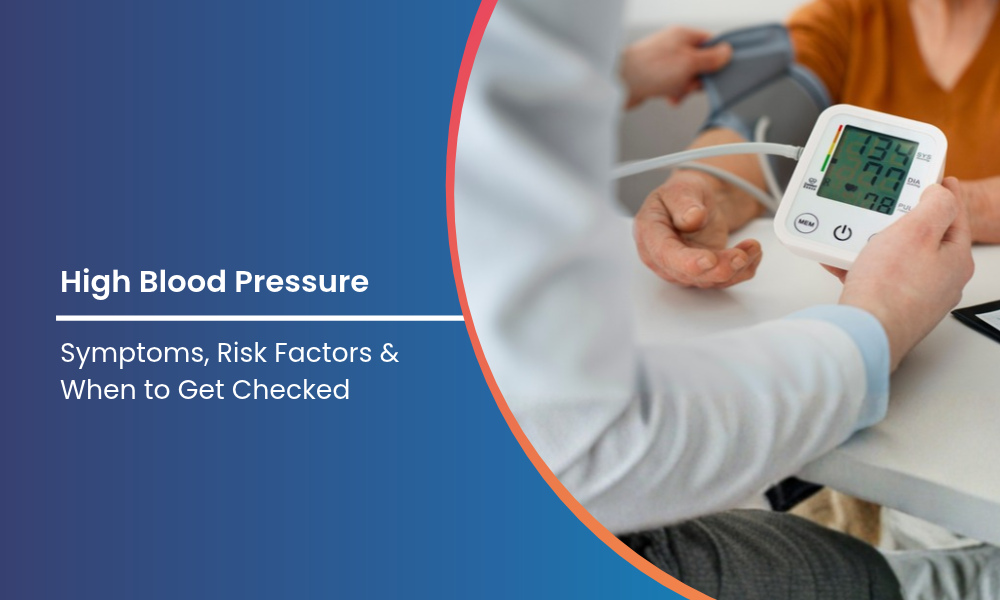
Blood pressure screening helps identify hypertension, a major risk factor for cardiovascular and kidney disease.
Hypertension often develops without noticeable symptoms.
Clinicians can measure blood pressure during routine appointments using an appropriate device.
If a reading is elevated, the doctor may recommend repeat measurements or home monitoring before confirming a diagnosis.
In India, the National Programme for Prevention and Control of Non-Communicable Diseases includes population-based hypertension screening for adults aged 30 years and above.
2. Blood Glucose and Diabetes Screening
Blood glucose testing helps assess whether a person has diabetes or certain abnormalities in blood sugar regulation.
Common investigations include fasting plasma glucose and glycated haemoglobin (HbA1c).
The choice of test depends on the clinical situation.
Diabetes screening may be particularly relevant for people with identified risk factors or those meeting recommended screening criteria.
Not everyone needs diabetes testing every year. The appropriate frequency depends on previous results and individual risk.
3. Cholesterol and Lipid Profile
A lipid profile measures substances in the blood, including total cholesterol, LDL cholesterol, HDL cholesterol, and triglycerides.
These measurements help assess cardiovascular risk.
A doctor interprets the results alongside factors such as age, blood pressure, medical history, and other relevant risks.
The need for testing and repeat assessment varies between individuals.
4. Complete Blood Count
A complete blood count measures several blood components, including red blood cells, white blood cells, and platelets.
It can help investigate suspected anaemia, certain infections, and other medical conditions.
However, a complete blood count isn't automatically necessary for every healthy person at a routine checkup.
Doctors may recommend it when symptoms, medical history, or other clinical findings suggest a need.
5. Kidney Function Tests
Blood tests such as serum creatinine and estimated glomerular filtration rate can assess kidney function.
Urine albumin testing can help detect kidney damage in people with relevant risk factors.
These tests may be particularly important for individuals with diabetes, hypertension, or known kidney disease.
Routine testing in people without risk factors should follow medical guidance.
6. Liver Function Tests
Liver-related blood tests measure enzymes, proteins, and other substances that can indicate liver injury or altered liver function.
These investigations may help people with symptoms, known liver conditions, medication-related risks, or relevant medical history.
They are not universally recommended as annual screening tests for all healthy individuals.
7. Thyroid Function Tests
Thyroid disorders can affect metabolism, energy levels, heart function, and other body processes.
Doctors may recommend thyroid-stimulating hormone testing when symptoms or risk factors suggest possible thyroid dysfunction.
Routine thyroid screening is not necessary for every asymptomatic person.
8. Cancer Screening Tests
Certain cancer screening programmes can detect abnormalities before symptoms develop.
Depending on age, medical history, and applicable guidelines, screening may involve tests for cervical, breast, colorectal, or other cancers.
The suitability and timing of cancer screening vary considerably.
India's public health initiatives include screening for oral, breast, and cervical cancers in eligible populations.
Which Health Screening Tests Are Recommended at Different Ages?
Age is an important consideration in preventive healthcare, but screening decisions should not be based on age alone.
Medical history, family history, and specific risk factors may influence when a doctor recommends an investigation.
Preventive Healthcare in Your 20s
Young adults may benefit from regular consultations that focus on blood pressure, general health, vaccination status, and relevant lifestyle concerns.
Additional tests may be recommended when there is a family history of early cardiovascular disease, metabolic conditions, or other significant risks.
Routine extensive laboratory panels are generally unnecessary for healthy young adults without specific indications.
Preventive Healthcare in Your 30s
During adulthood, a doctor may place greater emphasis on cardiometabolic risk factors, including blood pressure, diabetes risk, and cholesterol assessment when appropriate.
India's national non-communicable disease screening initiative targets adults aged 30 years and above for selected conditions.
Individual screening recommendations should still reflect personal risk and clinical needs.
Preventive Healthcare in Your 40s
As people move through their 40s, assessment may increasingly focus on cardiovascular health, metabolic conditions, and eligibility for age-appropriate cancer screening.
Some individuals may require additional investigations based on family history or previously identified abnormalities.
Screening ages and intervals vary by country and medical guideline.
Preventive Healthcare After 50
Older adults may need a more detailed review of cardiovascular risk, recommended cancer screening, bone health, medications, and functional abilities.
Screening decisions should consider overall health, personal preferences, and the expected benefits and risks of individual tests.
Preventive Healthcare After 60
Preventive assessments in later adulthood may address mobility, fall risk, hearing, vision, cognitive concerns, medication safety, vaccinations, and chronic disease management.
A geriatric assessment may help selected individuals with multiple health concerns.
The goal is to maintain function, independence, and quality of life through appropriate healthcare.
Common Health Conditions That Preventive Screening Can Help Detect
Preventive screening can identify certain medical conditions or risk factors before symptoms become noticeable.
Hypertension
High blood pressure is a common condition associated with increased risks of heart disease, stroke, and kidney complications.
Because symptoms are often absent, blood pressure measurement is an important preventive assessment.
Type 2 Diabetes
Type 2 diabetes may develop gradually.
Appropriate screening can help identify elevated blood glucose levels and support timely medical evaluation.
Cardiovascular Risk Factors
Cholesterol abnormalities, hypertension, diabetes, and other factors contribute to cardiovascular risk.
Assessing these factors together helps clinicians estimate risk and discuss appropriate preventive measures.
Certain Cancers
Evidence-based screening can help detect certain cancers or precancerous abnormalities.
However, no single blood test or imaging procedure reliably screens for every form of cancer.
Whole-body scans and broad tumour-marker panels are not routinely recommended for healthy individuals without specific clinical indications.
Kidney Disease
Some people with kidney disease have few symptoms in the early stages.
Targeted testing may be valuable for those with diabetes, hypertension, or other relevant risk factors.
Nutritional Deficiencies
Investigate iron, vitamin B12, and other nutritional deficiencies when symptoms or risk factors are present.
Routine testing for every vitamin or mineral is generally unnecessary.
Who Should Consider a Preventive Health Checkup?
Preventive care is relevant throughout adulthood, although the frequency and type of assessment vary.
People who may benefit from a focused review include those with:
A family history of diabetes, cardiovascular disease, or certain cancers
Previously elevated blood pressure or cholesterol
Existing chronic health conditions
Significant occupational or environmental health exposures
Tobacco use or other established health risks
Long-term medications requiring monitoring
Symptoms or medical concerns needing assessment
People who feel healthy may still benefit from recommended screening because some conditions don't cause symptoms at first.
However, an annual appointment does not necessarily mean you need annual blood tests or imaging.
Annual Health Checkup: How Often Should You Get Screened?
An annual health checkup can provide a convenient opportunity to review health goals, medical history, vaccinations, and screening needs.
However, no single annual testing schedule fits everyone.
Some preventive services may be needed yearly, while others are recommended at longer intervals or only when particular risk factors are present.
For example, a person with diabetes may need regular monitoring throughout the year, while a healthy individual with no known risk factors may require fewer laboratory investigations.
Develop the screening schedule with a qualified healthcare professional.
Does Everyone Need a Full-Body Checkup Every Year?
No. More tests do not necessarily produce better health outcomes.
Unnecessary screening can lead to false-positive results, anxiety, additional procedures, and increased costs.
The World Health Organisation emphasises that effective screening programmes must balance potential benefits against harms.
A well-designed preventive assessment focuses on tests likely to provide meaningful clinical information.
How to Prepare for a Preventive Health Checkup
Preparation can help make a preventive appointment more useful.
Review Your Medical History
Bring relevant information about previously diagnosed conditions, surgeries, medicines, and allergies.
Family medical history may also help identify inherited or shared health risks.
Carry Previous Medical Reports
Earlier lab reports, imaging results, and prescriptions can help doctors spot changes and avoid unnecessary repeat tests.
Ask Whether Fasting Is Necessary
Some tests require specific preparation, but many routine blood investigations do not require fasting.
Follow the healthcare facility's instructions rather than fasting unnecessarily.
Share Your Symptoms and Concerns
Even during a preventive appointment, mention symptoms such as persistent fatigue, unexplained weight changes, breathlessness, or other concerns.
Symptoms may require diagnostic assessment rather than routine screening.
Understand the Tests Being Recommended
Ask what each test measures, why it's recommended, and whether the result is likely to change medical care.
This supports informed decision-making and helps avoid unnecessary testing.
How to Understand Preventive Health Screening Results
Receiving a health report is only one part of preventive care.
Test results require interpretation in the context of individual health and medical history.
What Does a Normal Test Result Mean?
A normal result generally indicates that the measured value falls within the laboratory's reference range or another clinically defined threshold.
However, normal findings do not guarantee the absence of every disease.
If symptoms are present, further evaluation may still be necessary.
What Happens if a Result Is Abnormal?
An abnormal result does not automatically mean that a person has a serious illness.
Doctors may recommend repeating the test, reviewing medications, assessing symptoms, or arranging additional investigations.
Some abnormalities are temporary or have limited clinical significance.
Why Is Follow-Up Important?
The benefits of screening depend on appropriate interpretation and follow-up.
For example, detecting elevated blood pressure is useful when it leads to confirmation, risk assessment, and suitable management.
Screening without a clear follow-up pathway may provide limited benefit.
Choosing the Right Preventive Health Checkup Package
Hospitals and healthcare facilities may offer preventive health checkup packages covering different tests and medical consultations.
These packages can make it convenient to arrange selected investigations together.
However, the most comprehensive package is not necessarily the most appropriate.
Consider Your Age and Medical History
A suitable package should reflect your age, existing conditions, family history, and individual health risks.
Look for Clinically Relevant Tests
Ask whether the included tests are recommended for your circumstances.
Don't assume additional scans, tumour markers, or broad laboratory panels automatically provide greater protection.
Check Whether a Doctor's Consultation Is Included
A medical consultation helps ensure results are interpreted appropriately and that doctors recommend further care when needed.
Understand Costs and Follow-Up Services
Before booking, ask about the included tests, consultation fees, preparation requirements, and whether follow-up appointments or additional investigations are charged separately.
Prioritise Personalised Preventive Care
An effective preventive health checkup package should support appropriate screening and practical health recommendations, not testing without clear indications.
The Role of Preventive Checkups in Long-Term Disease Prevention
Health screening is one component of disease prevention.
Other important measures include evidence-based vaccinations, avoiding tobacco, maintaining a balanced diet, getting enough sleep, and engaging in appropriate physical activity.
People with chronic medical conditions may also benefit from taking prescribed medicines consistently and attending recommended follow-up appointments.
Preventive consultations let healthcare professionals tailor these measures to individual needs.
Regular screening cannot prevent every illness, but carefully selected preventive services can improve health outcomes.
Frequently Asked Questions About Preventive Health Checkups
1. What is a preventive health checkup?
A preventive health checkup is a medical evaluation that assesses health risks and identifies selected conditions before symptoms develop. It may involve a review of medical history, physical examination, and recommended screening tests.
2. Why are regular health checkups important?
Regular assessments help identify risk factors, monitor existing health concerns, review vaccinations, and discuss disease-prevention strategies. Some conditions, including hypertension, may remain unnoticed without appropriate screening.
3. What tests are included in an annual health checkup?
Depending on individual needs, an annual health checkup may include blood pressure assessment, diabetes screening, cholesterol testing, and other clinically indicated investigations. Not everyone requires the same tests.
4. At what age should preventive health screening begin?
Preventive care is relevant throughout life. Screening recommendations depend on age, sex-related clinical needs, family history, and individual risk factors. In India, government population-based screening for selected non-communicable diseases focuses on adults aged 30 years and above.
5. Should healthy people get regular health checkups?
Yes, appropriate preventive assessments can be useful even without symptoms. However, healthy people do not necessarily require extensive annual blood tests or imaging. A healthcare professional can recommend suitable screening.
6. Can preventive checkups detect cancer early?
Certain evidence-based screening programmes can identify some cancers or precancerous changes before symptoms appear. Screening recommendations vary by cancer type and individual risk. No routine test can reliably detect all cancers.
7. Is fasting required before a health checkup?
Not always. Some investigations require fasting, while many others do not. Patients should follow the specific instructions provided for their scheduled tests.
8. How often should blood sugar and cholesterol be checked?
Testing intervals depend on age, medical history, previous results, and individual risk factors. People with diagnosed conditions may need more frequent monitoring than those without known health concerns.
9. Can regular health checkups prevent heart disease?
Health checkups alone cannot guarantee prevention. However, assessing blood pressure, cholesterol, diabetes risk, and other relevant factors can help clinicians recommend strategies that reduce cardiovascular risk.
10. Are full-body screening packages necessary every year?
No. Extensive screening packages may include tests that some individuals don't need. A personalised approach helps balance medical benefits, potential harms, and costs.
11. What should I do if my health screening report shows an abnormal result?
Discuss the findings with a qualified healthcare professional. Additional tests or repeat measurements may be necessary to confirm the result and determine whether treatment or monitoring is appropriate.
12. How can I choose the right preventive health checkup package?
Choose a package based on medical advice, age, health history, and established screening recommendations. Consider whether a doctor's consultation and follow-up services are available, rather than choosing solely based on the number of tests included.