


General Medicine
Diabetes & Thyroid
Critical Care Medicine
Infectious Diseases
Metabolic Diseases
Geriatric Diseases
Rheumatologic Diseases
Gastroenteritis Treatment
Internal Medicine
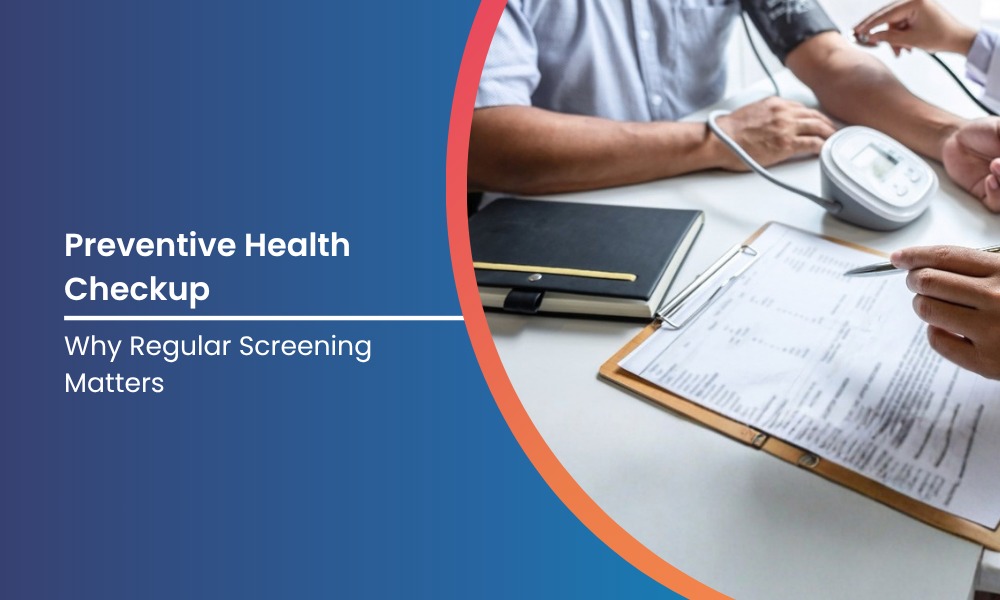
Preventive Health Checkup: Why Regular Screening Matters
22 Sept 2026
Overview
Health is not only about treating illness when symptoms appear. Many health conditions can develop silently for years before noticeable signs occur. A preventive health checkup helps identify potential health risks early, monitor existing conditions, and encourage healthier lifestyle choices before problems become more serious.
Regular health assessments are an important part of modern healthcare because early detection often provides more opportunities for effective management. Conditions such as diabetes, high blood pressure, cholesterol problems, certain cancers, and heart-related risks may not always cause warning symptoms in the early stages.
A routine annual health checkup allows healthcare professionals to evaluate overall health, identify risk factors, recommend appropriate investigations, and guide individuals toward better disease prevention strategies.
This article explains the importance of health screening tests, who should consider regular checkups, what assessments may be included, and how preventive healthcare supports long-term wellbeing.
What Is a Preventive Health Checkup?
A preventive health checkup is a healthcare assessment designed to identify health risks before symptoms develop or become severe.
Unlike a medical consultation focused on treating a specific complaint, preventive healthcare focuses on:
Early identification of potential health problems
Monitoring important health indicators
Assessing lifestyle-related risks
Encouraging healthy habits
Reducing the chances of complications
A preventive checkup does not guarantee that every disease will be prevented, but it provides valuable information that helps individuals and doctors make informed health decisions.
Why Are Regular Health Checkups Important?
Many health conditions develop gradually and may remain unnoticed because early stages often do not produce obvious symptoms.
Regular screening can help detect:
High blood pressure
Diabetes and prediabetes
High cholesterol
Heart disease risk factors
Liver and kidney concerns
Nutritional deficiencies
Certain cancers
Other health conditions requiring monitoring
Early identification can allow timely lifestyle changes, medical treatment, and follow-up care.
Benefits of Preventive Health Screening
1. Early Detection of Health Problems
One of the biggest benefits of regular screening is finding health issues before they become more difficult to manage.
For example:
High blood pressure may be detected before complications occur
Elevated blood sugar levels may indicate increased diabetes risk
Abnormal cholesterol levels may highlight cardiovascular risk
Early detection allows healthcare professionals to recommend appropriate interventions.
2. Better Disease Prevention
Prevention involves understanding personal risk factors and taking steps to reduce them.
A preventive health checkup can help identify areas where changes may be beneficial, such as:
Improving diet
Increasing physical activity
Managing weight
Reducing tobacco or alcohol use
Improving sleep habits
These changes can support long-term health.
3. Monitoring Existing Health Conditions
People with existing conditions such as diabetes, hypertension, thyroid disorders, or heart disease may require regular monitoring.
Routine checkups help assess whether:
Treatment is working effectively
Medication adjustments are needed
Additional monitoring is required
4. Understanding Personal Health Risks
Health risks vary from person to person.
Factors that influence health risk include:
Age
Family history
Lifestyle habits
Occupation
Previous medical conditions
Diet and activity levels
A health assessment helps create a more personalised approach to healthcare.
What Are Health Screening Tests?
Health screening tests are medical evaluations used to detect possible health concerns before symptoms appear.
The tests included in a checkup depend on:
Age
Gender
Medical history
Family history
Lifestyle factors
Existing health conditions
A healthcare professional can recommend appropriate tests based on individual needs.
Common Tests Included in Preventive Health Checkups
Blood Pressure Measurement
Blood pressure screening is one of the simplest and most important health assessments.
High blood pressure often does not cause noticeable symptoms but can increase the risk of:
Heart disease
Stroke
Kidney problems
Other complications
Regular monitoring helps identify abnormal readings early.
Blood Sugar Testing
Blood glucose testing helps evaluate the risk of diabetes or monitor existing diabetes.
Tests may include:
Fasting blood glucose
HbA1c testing
Other assessments recommended by a doctor
Early identification of abnormal sugar levels can support timely lifestyle and medical interventions.
Cholesterol Testing
Cholesterol screening helps assess cardiovascular risk.
A lipid profile may measure:
Total cholesterol
LDL cholesterol
HDL cholesterol
Triglycerides
Results help doctors evaluate heart health risk along with other factors.
Complete Blood Count (CBC)
A complete blood count evaluates different blood components.
It may provide information about:
Anaemia
Infection-related changes
Certain blood abnormalities
The interpretation depends on symptoms and overall health status.
Kidney Function Tests
Kidney health may be evaluated through blood and urine tests.
These assessments can help identify early kidney-related concerns, especially in people with risk factors such as diabetes or hypertension.
Liver Function Tests
Liver function tests may help evaluate liver health and identify abnormalities requiring further assessment.
Thyroid Function Tests
Thyroid disorders can affect metabolism, energy levels, weight, mood, and other body functions.
Thyroid testing may be recommended based on symptoms, risk factors, or medical history.
Cancer Screening as Part of Preventive Healthcare
Cancer screening aims to detect certain cancers at earlier stages when treatment options may be more effective.
Recommended screening depends on:
Age
Gender
Family history
Personal risk factors
National and medical guidelines
Examples may include:
Breast cancer screening
Cervical cancer screening
Colorectal cancer screening
Other screenings recommended based on risk
A doctor can help determine which screenings are appropriate for an individual.
Annual Health Checkup: Who Should Consider It?
An annual health checkup may be beneficial for many adults, especially those with increased health risks.
People who may benefit from regular assessments include:
Adults above certain age groups
Individuals with family history of chronic diseases
People with sedentary lifestyles
Individuals with high stress levels
People with obesity
Those with tobacco or alcohol use
People with existing medical conditions
Even healthy individuals may benefit from periodic health reviews to monitor important health indicators.
Preventive Health Checkups for Different Age Groups
Young Adults
Young adults may benefit from understanding:
Lifestyle-related risks
Nutrition status
Blood pressure
Mental wellbeing
Early metabolic risk factors
Building healthy habits early can support long-term health.
Adults in Middle Age
Middle age is an important time for monitoring conditions that may develop gradually.
Health assessments may focus on:
Blood pressure
Blood sugar
Cholesterol
Heart health
Weight management
Cancer screening when appropriate
Older Adults
As people age, regular health monitoring becomes increasingly important.
Checkups may include assessment of:
Chronic disease management
Medication review
Mobility
Bone health
Cognitive wellbeing
Preventive vaccinations
Lifestyle Factors and Disease Prevention
Preventive healthcare is not limited to medical tests. Daily habits play an important role in reducing health risks.
Balanced Nutrition
A healthy diet supports:
Heart health
Healthy weight management
Energy levels
Immune function
A balanced diet generally includes:
Fruits and vegetables
Whole grains
Adequate protein
Healthy fats
Appropriate fluid intake
Regular Physical Activity
Physical activity supports:
Cardiovascular health
Muscle strength
Weight management
Mental wellbeing
Exercise recommendations should be appropriate for age, fitness level, and medical conditions.
Healthy Sleep Habits
Adequate sleep supports physical and mental health.
Poor sleep may affect:
Energy levels
Concentration
Mood
Metabolic health
Avoiding Tobacco
Tobacco use increases the risk of several serious health conditions.
Avoiding tobacco is one of the most effective steps for improving long-term health.
Limiting Alcohol
Excessive alcohol intake can affect multiple organs and increase health risks.
Moderation and informed choices are important parts of preventive care.
Why Seasonal Changes Are a Good Reminder for Health Screening
Seasonal transitions often encourage people to focus on their health because changes in weather can affect lifestyle patterns, immunity, allergies, and infections.
While seasonal illnesses are usually temporary, regular preventive assessments help identify broader health concerns that may not be related to the season.
A health checkup can be a useful opportunity to:
Review current health status
Update preventive measures
Discuss lifestyle habits
Address concerns early
Preventive Health Checkup vs Diagnostic Checkup
It is important to understand the difference between preventive and diagnostic healthcare.
Preventive Health Checkup
A preventive checkup is performed when a person may feel healthy but wants to monitor risks and maintain wellbeing.
Diagnostic Checkup
A diagnostic evaluation is performed when symptoms or specific concerns require investigation.
For example:
Chest pain requires diagnostic evaluation
Persistent fatigue may require medical assessment
A routine blood pressure check may be preventive screening
Both approaches are important parts of healthcare.
Preparing for a Health Screening Appointment
Before a preventive checkup, consider:
Carrying previous medical records
Listing current medicines
Knowing family medical history
Preparing questions or concerns
Following instructions regarding fasting or preparation if required
Sharing accurate information helps healthcare professionals provide better guidance.
When Should You Consult a Doctor Outside Routine Screening?
Preventive checkups are important, but they should not replace medical consultation when symptoms occur.
Seek medical advice if you experience:
Unexplained weight loss
Persistent fatigue
Chest pain
Difficulty breathing
Changes in bowel or urinary habits
Persistent fever
Unusual bleeding
New or worsening symptoms
Symptoms should be evaluated promptly rather than waiting for a routine checkup.
Frequently Asked Questions About Preventive Health Checkups
1. What is a preventive health checkup?
A preventive health checkup is a routine health assessment designed to identify potential risks early and support disease prevention.
2. Why are health screening tests important?
Health screening tests can detect certain conditions before symptoms appear, allowing earlier management and monitoring.
3. How often should I get an annual health checkup?
The frequency depends on age, health status, family history, lifestyle factors, and medical recommendations. Some people may require more frequent monitoring.
4. Are preventive checkups only for older adults?
No. Preventive healthcare is beneficial at different life stages. The type of assessment depends on individual risk factors.
5. Can a health checkup prevent diseases completely?
A checkup cannot prevent every disease, but it can identify risks early and support steps that reduce the likelihood of complications.
6. What tests are included in a health screening package?
Tests vary depending on the package and individual needs. Common assessments may include blood pressure checks, blood tests, sugar testing, cholesterol evaluation, and other screenings.
7. Is an annual health checkup necessary if I feel healthy?
Many conditions do not cause symptoms in early stages. Regular health reviews can help monitor important health indicators even when a person feels well.
8. Can preventive screening detect cancer?
Certain screening tests can help detect specific cancers earlier. Recommended screening depends on age, risk factors, and medical guidelines.
9. What is the best age to start health checkups?
There is no single age that applies to everyone. Screening needs depend on personal health risks and recommendations from healthcare professionals.
10. How does preventive healthcare support disease prevention?
Preventive healthcare helps identify risks, encourage healthy habits, and support early management of health conditions.