Menstrual Disorders Symptoms Causes and Treatment Options
Overview
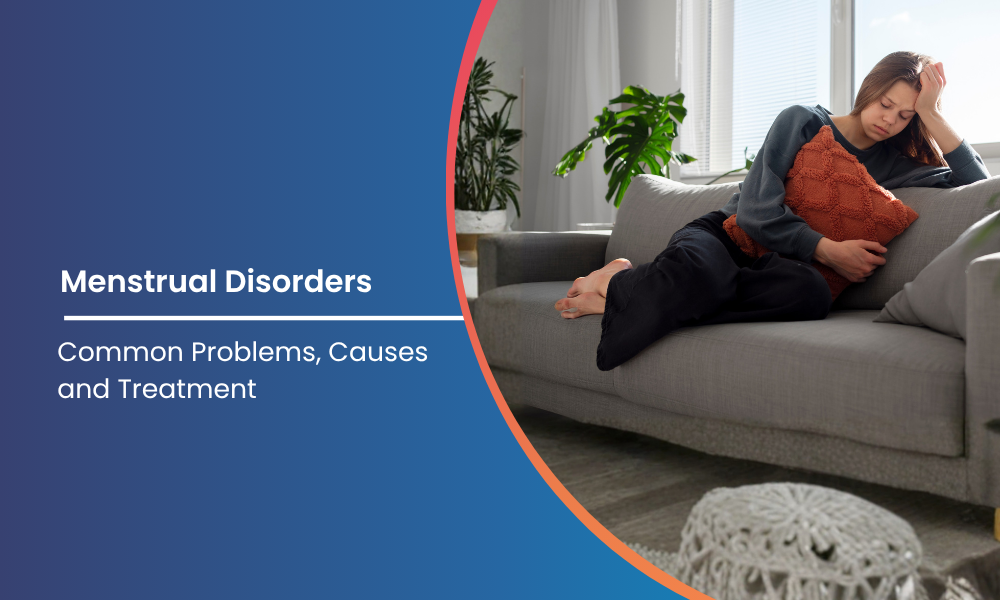
Menstrual health is an important part of overall reproductive and hormonal well-being. Although menstrual cycles naturally vary from person to person, persistent changes in cycle timing, unusually heavy bleeding, severe period pain, or missed periods may indicate an underlying health condition.
Many women experience menstrual irregularities at different stages of life, particularly during adolescence, pregnancy-related hormonal transitions, and the years approaching menopause. While occasional changes may not be concerning, recurring symptoms can affect physical comfort, emotional well-being, and everyday activities.
Menstrual disorders include a range of conditions that affect the frequency, duration, flow, or symptoms associated with menstruation. Common examples include irregular periods, heavy menstrual bleeding, painful periods, and the absence of menstruation.
These conditions may develop because of hormonal imbalances, thyroid disorders, polycystic ovary syndrome (PCOS), uterine fibroids, endometriosis, or other medical factors.
Understanding the causes of menstrual problems can help individuals recognise when they need a professional evaluation and explore appropriate treatment options.
This guide explains common menstrual disorders, their symptoms, possible causes, diagnostic methods, treatment approaches, and the importance of timely gynaecological care.
What Are Menstrual Disorders?
Menstrual disorders are conditions that cause abnormalities in the menstrual cycle, bleeding pattern, or associated physical symptoms.
The brain, ovaries, and uterus work together to regulate the menstrual cycle. Hormones such as oestrogen and progesterone help control the development and shedding of the uterine lining.
When these processes are disrupted, menstruation may change.
Menstrual disorders can involve:
Periods occurring more or less frequently than expected
Unusually heavy or prolonged bleeding
Severe menstrual cramps
Missing periods for several months
Bleeding between menstrual cycles
Unpredictable or frequent spotting
Not every menstrual variation indicates a disease. However, changes that persist, worsen, or interfere with everyday activities should be discussed with a healthcare professional.
Understanding a Normal Menstrual Cycle
Count a menstrual cycle from the first day of one period to the first day of the next.
For many adults, cycles typically occur every 21–35 days, and menstrual bleeding usually lasts up to seven days.
However, cycle patterns vary from person to person. During the first few years after menstruation begins, cycles may be less predictable as hormonal regulation develops.
The menstrual cycle involves several phases.
Menstrual Phase
During menstruation, the uterine lining sheds, causing menstrual bleeding.
Follicular Phase
Hormonal signals stimulate ovarian follicle development while the uterine lining begins to rebuild.
Ovulation
In ovulatory cycles, an ovary releases an egg. Timing varies with overall cycle length.
Luteal Phase
After ovulation, progesterone helps prepare the uterine lining. If pregnancy does not occur, hormone levels fall, and menstruation begins.
Changes in hormone regulation or ovulation can affect the timing and characteristics of menstrual bleeding.
Common Types of Menstrual Disorders
Different menstrual disorders produce different symptoms. Identifying the specific bleeding pattern helps doctors determine possible causes.
1. Irregular Periods
Irregular periods occur when the interval between menstrual cycles varies considerably or periods become unexpectedly frequent or infrequent.
Some individuals may experience delayed periods, while others have unpredictable bleeding patterns.
Common causes include hormonal fluctuations, PCOS, thyroid disorders, stress, certain medications, and changes associated with adolescence or perimenopause.
Occasional variations are normal, but persistent irregular periods require evaluation, especially when accompanied by additional symptoms.
2. Heavy Menstrual Bleeding
Heavy menstrual bleeding, previously commonly called menorrhagia, refers to menstrual blood loss that is excessive or interferes with physical, emotional, or everyday well-being.
Signs may include needing to change menstrual products very frequently, bleeding lasting longer than seven days, passing large clots, or experiencing fatigue associated with blood loss.
Potential causes include uterine fibroids, adenomyosis, ovulatory dysfunction, bleeding disorders, and certain medications.
Prolonged heavy bleeding may lead to iron-deficiency anaemia.
3. Painful Periods (Dysmenorrhoea)
Dysmenorrhoea refers to menstrual pain, commonly experienced as cramping in the lower abdomen.
Primary dysmenorrhoea occurs without an identifiable underlying pelvic disorder and is associated with substances called prostaglandins, which stimulate uterine contractions.
Secondary dysmenorrhoea results from an underlying condition such as endometriosis, adenomyosis, or uterine fibroids.
Severe or progressively worsening period pain should not be dismissed as a routine part of menstruation.
4. Absent Periods (Amenorrhoea)
Amenorrhoea refers to the absence of menstrual periods.
Primary amenorrhoea describes menstruation that has not started by the expected developmental age, while secondary amenorrhoea occurs when periods stop after previously being present.
Potential causes include pregnancy, hormonal disorders, thyroid conditions, changes in energy availability, and certain medications.
Medical assessment is recommended when menstruation has not started by age 15 or when previously established periods stop for several months without an expected explanation.
5. Infrequent Menstrual Periods
Some individuals experience unusually long intervals between menstrual cycles.
This pattern may occur when ovulation happens infrequently or not at all.
PCOS, thyroid dysfunction, and other hormonal conditions can contribute.
A healthcare professional may recommend evaluation when cycles remain consistently far apart.
6. Bleeding Between Periods
Bleeding or spotting between expected menstrual periods is called intermenstrual bleeding.
Possible causes include hormonal changes, contraception-related effects, cervical or uterine polyps, infections, and other conditions.
Although many causes aren't serious, persistent, unexplained bleeding between periods warrants medical evaluation.
Always assess bleeding after menopause.
What Causes Menstrual Disorders?
Menstrual problems can result from hormonal, structural, medical, and medication-related factors.
Some people have more than one contributing condition.
Hormonal Imbalances
Hormones control the menstrual cycle. Changes in the signals that regulate ovulation can produce irregular or heavy bleeding.
Hormonal fluctuations may occur during adolescence and perimenopause or because medical conditions affect hormone production.
Polycystic Ovary Syndrome (PCOS)
PCOS is a hormonal condition associated with irregular ovulation and other metabolic or reproductive features.
Some individuals with PCOS experience infrequent periods, acne, or increased facial or body hair.
Not everyone with PCOS has the same symptoms.
Treatment depends on the individual's concerns, menstrual pattern, metabolic health, and reproductive goals.
Thyroid Disorders
The thyroid gland produces hormones that regulate metabolism and other body functions.
Both an underactive thyroid and an overactive thyroid may affect menstrual frequency or bleeding.
Managing a confirmed thyroid condition may help improve menstrual regularity.
Uterine Fibroids
Fibroids are noncancerous growths that develop from the uterus's muscular tissue.
Depending on their size and location, they may cause heavy periods, pelvic pressure, prolonged bleeding, or other symptoms.
Some fibroids cause no symptoms and are discovered during examinations for unrelated reasons.
Endometriosis
Endometriosis occurs when tissue resembling the uterine lining grows outside the uterus.
It can cause significant period pain, persistent pelvic discomfort, and sometimes fertility difficulties.
Pain severity does not always match the extent of the disease.
Adenomyosis
Adenomyosis occurs when tissue resembling the endometrium is present within the muscular wall of the uterus.
Symptoms may include heavy bleeding, painful periods, and pelvic discomfort.
Stress and Other Health Factors
Psychological stress, significant changes in nutrition, excessive physical exertion, and some chronic illnesses can disrupt hormonal signals involved in menstruation.
These factors do not explain every menstrual disorder, and persistent symptoms should not automatically be attributed to stress.
Medications and Contraceptive Methods
Certain hormonal contraceptives can change bleeding patterns.
Blood-thinning medications may increase menstrual bleeding, while copper intrauterine devices can contribute to heavier periods in some individuals.
Discuss medication-related bleeding changes with the prescribing clinician.
Symptoms of Menstrual Disorders That Should Not Be Ignored
Menstrual disorders may produce symptoms beyond changes in bleeding.
Common concerns include:
Periods that become consistently unpredictable
Bleeding lasting longer than seven days
Unusually heavy menstrual flow
Severe abdominal or pelvic pain
Bleeding between periods
Missed periods without an expected cause
Significant fatigue or dizziness
Pelvic discomfort that affects normal activities
These symptoms can have several explanations, so medical assessment is important if they persist.
When Is Menstrual Bleeding an Emergency?
Seek emergency medical care for very heavy bleeding accompanied by fainting, severe dizziness, chest pain, shortness of breath, or marked weakness.
Bleeding that soaks through menstrual products every hour for more than two consecutive hours, particularly with these symptoms, may require urgent assessment.
Severe pelvic pain, especially with possible pregnancy, also requires prompt medical evaluation.
How Are Menstrual Disorders Diagnosed?
Diagnosis begins with understanding the patient's symptoms, cycle history, overall health, and possible contributing factors.
A gynaecologist selects investigations based on age, medical history, symptoms, and examination findings.
1. Medical History and Menstrual Assessment
The clinician may ask about cycle timing, bleeding duration, menstrual flow, pain severity, medication use, and relevant family history.
Tracking periods can provide useful information about changes over time.
2. Physical Examination
A general examination may help identify signs of anaemia, thyroid dysfunction, or other medical conditions.
A pelvic examination may be recommended when clinically appropriate, with the patient's consent.
Not every person with menstrual irregularities requires a pelvic examination.
3. Blood Tests
A complete blood count can help identify anaemia associated with heavy bleeding.
Depending on symptoms, other investigations may include thyroid function tests, pregnancy testing, or selected hormonal assessments.
Testing for bleeding disorders may be considered when heavy bleeding began with the first menstrual periods or when there is a relevant personal or family history.
4. Pelvic Ultrasound
Ultrasound uses sound waves to examine the uterus, ovaries, and surrounding pelvic structures.
It can help identify fibroids, certain ovarian abnormalities, and other structural findings.
The most suitable ultrasound approach depends on the patient's age, clinical circumstances, and preferences.
5. Hysteroscopy and Endometrial Assessment
Hysteroscopy lets the clinician examine the uterine cavity with a small camera.
It may be recommended when symptoms suggest polyps, abnormalities within the uterus, or other conditions requiring investigation.
Endometrial tissue sampling may be appropriate for selected patients based on age, risk factors, or persistent abnormal bleeding.
These procedures are not routinely required for every menstrual disorder.
Treatment Options for Menstrual Disorders
Treatment for menstrual disorders depends on the underlying cause, symptom severity, medical history, and individual preferences.
Some menstrual irregularities improve without intervention, while others require medicines or specialised procedures.
1. Hormonal Treatment
Hormonal medicines may help regulate menstrual bleeding or reduce excessive flow.
Depending on the condition, doctors may recommend selected hormonal contraceptive methods or progesterone-based treatment.
A hormonal intrauterine system may be suitable for some patients experiencing heavy menstrual bleeding.
Select hormonal treatment based on individual medical eligibility and preferences.
2. Non-Hormonal Medicines
Certain non-hormonal medicines may help manage heavy menstrual bleeding or menstrual pain.
For example, clinicians sometimes prescribe tranexamic acid to reduce heavy bleeding.
Non-steroidal anti-inflammatory medicines may help relieve menstrual cramps and reduce menstrual blood loss in selected patients.
These medicines are not appropriate for everyone. Treatment decisions should account for medical conditions, medication interactions, and clinical contraindications.
3. Treatment for Underlying Conditions
When menstrual irregularities result from an identifiable condition, management focuses on that cause.
For example, thyroid disorders may require thyroid-specific treatment, while PCOS management is tailored to symptoms and metabolic or reproductive needs.
Endometriosis and adenomyosis may require medication, specialist evaluation, or other interventions.
4. Iron-Deficiency Anaemia Management
Repeated heavy bleeding may reduce iron stores and lead to anaemia.
Doctors may recommend iron replacement when deficiency is confirmed or strongly suspected, along with treatment to reduce ongoing blood loss.
Severe anaemia may require more intensive medical care.
5. Surgical Treatment
Doctors may consider procedures when symptoms are severe, structural abnormalities are identified, or medicines have not provided sufficient relief.
Options may include hysteroscopic polyp removal, surgery for selected fibroids, or other specialised interventions.
Endometrial ablation and hysterectomy may be considered for certain adult patients after detailed discussion of fertility implications, risks, and alternatives.
Surgery is not the first-line approach for most menstrual irregularities.
Current NICE guidance recommends individualising treatment for heavy menstrual bleeding based on symptoms, likely causes, preferences, and clinical findings.
Menstrual Disorders During Different Stages of Life
Menstrual patterns naturally change during different reproductive stages.
During Adolescence
Menstrual cycles may be irregular during the first few years after the first period because ovulation is not yet consistently established.
However, very heavy bleeding, severe pain, or prolonged absence of menstruation should still be assessed.
Heavy bleeding beginning with the first periods may sometimes indicate an underlying bleeding disorder.
During Reproductive Years
Persistent menstrual changes may be associated with PCOS, fibroids, endometriosis, thyroid conditions, or other medical factors.
A delayed or missed period may also require pregnancy assessment where relevant.
During Perimenopause
In the years leading up to menopause, hormonal fluctuations may make cycles less predictable.
Periods may become more frequent or less frequent, and lighter or heavier.
However, persistent heavy bleeding, bleeding between periods, or other concerning changes still require medical evaluation.
After Menopause
Menopause is generally established after 12 consecutive months without menstruation, when no other cause explains the absence of periods.
Any vaginal bleeding after menopause should be evaluated by a healthcare professional, even if the amount is small.
Can Menstrual Disorders Affect Fertility?
Some menstrual disorders can affect the ability to become pregnant.
Conditions associated with irregular ovulation may make conception less predictable.
Endometriosis and certain uterine abnormalities can also affect fertility in some patients.
However, having irregular periods does not automatically mean that a person is infertile.
The effect on fertility depends on the underlying cause, severity, and other reproductive factors.
Individuals with ongoing menstrual irregularities who have concerns about future fertility should discuss them with a gynaecologist.
Managing Menstrual Health and Everyday Well-Being
Lifestyle measures can support general menstrual health, although they do not replace treatment for underlying medical conditions.
Maintain Balanced Nutrition
Regular, balanced meals help support overall health.
People experiencing heavy bleeding may need assessment for iron deficiency and individualised nutritional advice.
Engage in Appropriate Physical Activity
Comfortable, regular physical activity may support general well-being and help some individuals manage menstrual discomfort.
Adapt activity to personal health and symptoms.
Prioritise Sleep and Stress Management
Adequate sleep and manageable daily routines support general health.
Stress may influence menstrual patterns, but persistent menstrual problems should not be explained by stress alone without proper evaluation.
Track Menstrual Symptoms
A menstrual record can include period dates, bleeding duration, approximate flow, pain severity, and symptoms between periods.
This information can help healthcare professionals identify patterns and decide whether investigations are necessary.
Avoid Unsupervised Treatment
Herbal remedies, hormonal medicines, and supplements should not be used to treat menstrual disorders without appropriate medical guidance.
Some products may have side effects or interact with other medicines.
Why Regular Gynaecological Care Matters
Gynaecological consultations provide an opportunity to discuss menstrual changes, pelvic pain, reproductive concerns, and other women's health problems.
Early medical assessment can help identify treatable causes of persistent symptoms and reduce complications such as iron-deficiency anaemia.
Care should be individualised and sensitive to each patient's age, circumstances, symptoms, and preferences.
The aim is not to make every menstrual cycle identical but to identify concerning changes, manage symptoms, and support overall health.
Frequently Asked Questions About Menstrual Disorders
1. What are the most common menstrual disorders?
Common menstrual disorders include irregular periods, heavy menstrual bleeding, painful periods, absent periods, and bleeding between cycles. Causes range from normal hormonal transitions to underlying medical conditions that require treatment.
2. What causes irregular periods?
Irregular periods may occur because of hormonal fluctuations, PCOS, thyroid conditions, stress, certain medications, or changes associated with adolescence and perimenopause. Pregnancy may also explain a missed period. Persistent irregularities should be evaluated.
3. When is heavy menstrual bleeding considered abnormal?
Heavy bleeding may be concerning when it lasts longer than seven days, requires very frequent changes of menstrual products, causes significant fatigue, or interferes with daily activities. A gynaecologist can assess whether treatment is needed.
4. Can stress delay menstrual periods?
Yes. Significant stress can affect hormonal signals that regulate ovulation and menstruation. However, delayed periods may have other causes, so don't automatically attribute ongoing changes to stress.
5. Can PCOS cause missed or irregular periods?
Yes. PCOS can interfere with regular ovulation, causing infrequent, unpredictable, or absent periods. Other symptoms may include acne or increased facial hair. Diagnosis and management require an individualised medical assessment.
6. Are painful periods always normal?
Mild cramps are common, but severe pain that disrupts everyday activities or progressively worsens may indicate conditions such as endometriosis or adenomyosis. Medical evaluation can help identify the cause.
7. Can thyroid problems affect menstruation?
Yes. Thyroid hormone abnormalities can affect when your period starts and how much you bleed. When thyroid dysfunction is responsible, appropriate treatment may improve menstrual patterns.
8. Can menstrual disorders cause anaemia?
Yes. Repeated heavy menstrual bleeding can contribute to iron deficiency and anaemia. Symptoms may include tiredness, weakness, dizziness, or breathlessness. Blood tests can help assess these concerns.
9. Do all menstrual disorders require medication?
No. Some menstrual variations are temporary and do not require treatment. Others benefit from medicines or management of underlying conditions. Treatment depends on symptom severity, diagnosis, and individual needs.
10. Can menstrual disorders affect pregnancy planning?
Certain conditions associated with irregular ovulation or pelvic abnormalities may affect fertility. However, menstrual irregularities do not necessarily mean pregnancy is impossible. A gynaecologist can provide individualised guidance.
11. When should someone see a gynaecologist for irregular periods?
Consult a healthcare professional when menstrual cycles become persistently irregular, periods stop unexpectedly, bleeding becomes unusually heavy, or pelvic pain interferes with everyday life. Sudden severe symptoms may require urgent care.
12. Can menstrual disorders be permanently cured?
Some menstrual disorders improve when the underlying cause is treated. Others, particularly chronic conditions such as endometriosis or PCOS, may require ongoing management. Outcomes depend on the specific diagnosis and available treatment options.