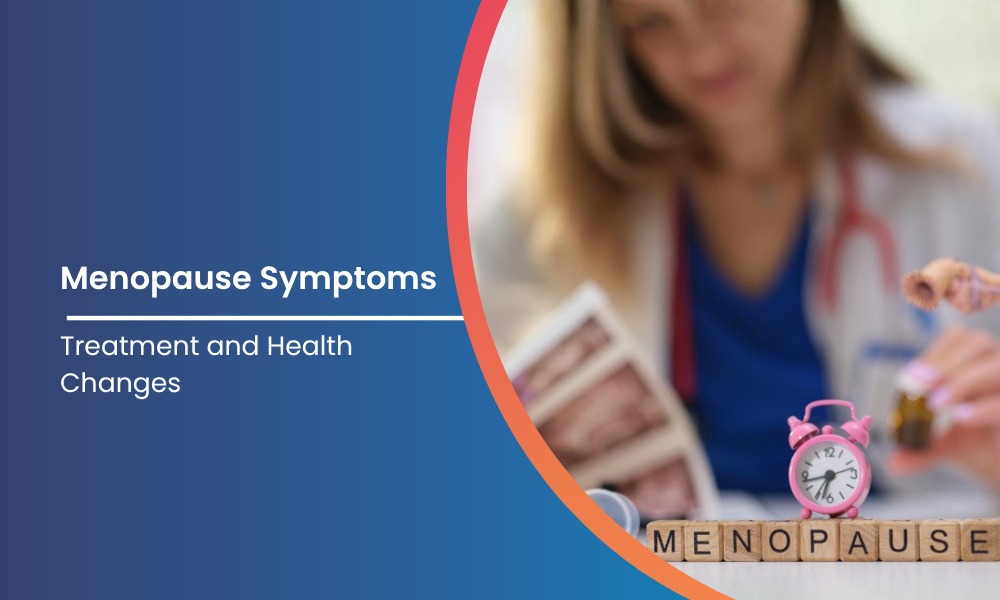
Menopause Symptoms Treatment and Health Changes
Overview
Menopause is a natural stage of life, but the transition can bring physical, emotional, and hormonal changes that affect everyday well-being. For some women, symptoms are mild or short-lived. For others, menopause symptoms such as hot flashes, sleep disruption, vaginal dryness, mood changes, or irregular periods can significantly affect daily life.
Understanding menopause can make it easier to recognize what is expected, identify symptoms that need medical attention, and discuss appropriate menopause treatment with a healthcare professional.
Menopause is not a disease. It is a biological transition associated with changes in ovarian hormone production and the end of menstrual periods. The years leading up to menopause are known as perimenopause, during which hormone levels and menstrual patterns can fluctuate.
This article explains menopause symptoms, hormonal changes, possible health effects, treatment options, lifestyle measures, and when a consultation with an obstetrician-gynecologist may be appropriate.
What Is Menopause?
Menopause is the point when menstrual periods stop permanently because ovarian hormone production has declined. In natural menopause, it is generally identified after a person has gone without a menstrual period for 12 consecutive months, when there is no other explanation for the absence of periods.
The transition leading up to menopause is called perimenopause. During this stage, periods may become irregular and symptoms can appear before menstruation stops completely.
Menopause usually occurs during midlife, but the timing varies. It can also occur earlier because of certain medical treatments, surgery involving the ovaries, or other medical conditions.
What Causes Menopause?
Menopause occurs as ovarian function gradually changes and the production of hormones, particularly estrogen, declines.
Estrogen influences more than the menstrual cycle. It also affects tissues throughout the body, including the vagina, urinary system, bones, and cardiovascular system. As hormone levels fluctuate and eventually remain lower, different symptoms and health changes can occur.
The experience is highly individual. Some women have few symptoms, while others experience several symptoms over a number of years. NICE notes that menopause-associated symptoms can range from minor to severe and may occur for short or long periods.
Common Menopause Symptoms
Menopause symptoms can affect several aspects of physical and emotional health.
1. Hot Flashes and Night Sweats
Hot flashes, also called hot flushes, are sudden feelings of heat that may involve the face, neck, chest, or upper body. They can sometimes be accompanied by sweating, chills, or a rapid heartbeat.
Night sweats are episodes of excessive sweating during sleep and may contribute to disturbed or poor-quality sleep.
These vasomotor symptoms are among the most commonly recognized symptoms associated with menopause.
2. Changes in Menstrual Periods
One of the earliest signs of perimenopause may be a change in menstrual patterns.
Periods may become:
Less predictable
More frequent or less frequent
Lighter
Heavier
Longer or shorter
Menstrual changes are common during perimenopause, but significant or unusual bleeding should still be discussed with a healthcare professional.
3. Sleep Problems
Hormonal changes, night sweats, stress, and other factors can contribute to difficulty falling asleep or staying asleep.
Poor sleep can affect concentration, energy, mood, and overall quality of life.
4. Mood Changes
Some women experience increased irritability, low mood, anxiety, or emotional changes during perimenopause and menopause.
Not every mood change is caused by menopause, however. Persistent depression, severe anxiety, or other mental health concerns should receive appropriate professional assessment rather than being automatically attributed to hormonal changes.
5. Vaginal Dryness and Genitourinary Symptoms
Lower estrogen levels can affect vaginal and urinary tissues.
Possible symptoms include:
Vaginal dryness
Burning or irritation
Discomfort during sexual activity
Urinary urgency
Recurrent urinary symptoms
These symptoms are sometimes grouped under genitourinary symptoms of menopause.
They are common but should not simply be accepted as something a person has to tolerate. Treatments are available and can be discussed confidentially with a healthcare professional.
6. Changes in Sexual Health
Hormonal changes, vaginal discomfort, sleep problems, mood changes, and other factors can affect sexual wellbeing and libido.
Low sexual desire can have multiple causes, so an individual assessment is useful rather than assuming that hormones are the only explanation.
7. Memory and Concentration Changes
Some women report difficulty concentrating, forgetfulness, or feeling mentally less focused during the menopause transition.
Sleep disruption, stress, mood changes, and hormonal fluctuations may all contribute. Persistent or significant cognitive problems should be discussed with a healthcare professional rather than automatically attributed to menopause.
8. Joint and Muscle Symptoms
Joint and muscle aches can occur around menopause. NICE recognizes musculoskeletal symptoms, including joint and muscle pain, among symptoms that may be associated with the menopause transition.
Persistent, severe, or unexplained pain may have other causes and should be evaluated accordingly.
How Hormonal Changes Affect Women's Health
The effects of menopause extend beyond menstrual periods.
Bone Health
Estrogen helps maintain bone tissue. The reduction in estrogen around menopause can accelerate bone loss, increasing the risk of osteoporosis over time.
Maintaining adequate nutrition, staying physically active, and discussing individual osteoporosis risk with a healthcare professional can help support bone health.
For selected women, systemic hormone therapy can also help protect against bone loss while it is being used.
Cardiovascular Health
Cardiovascular risk changes with age and after menopause, although menopause itself is only one part of a person's overall risk profile.
Blood pressure, cholesterol, blood sugar, physical activity, smoking status, diet, and family history are all relevant to long-term cardiovascular health.
Regular health assessments become increasingly important during midlife.
Vaginal and Urinary Health
Lower estrogen can affect vaginal and urinary tissues, sometimes causing dryness, irritation, discomfort, or urinary symptoms.
These symptoms can often be managed with appropriate treatment and should be discussed with a gynecologist if they interfere with daily life.
How Is Menopause Diagnosed?
For many healthy women aged 45 or older with typical symptoms, menopause and perimenopause can often be identified based on symptoms and menstrual history rather than routine hormone testing. NICE specifically recommends identifying menopause in this age group without laboratory tests in appropriate circumstances.
Hormone levels can fluctuate considerably during perimenopause, which means a single blood test may not accurately represent what is happening over time.
ACOG similarly notes that hormone testing is generally not recommended before starting hormone therapy for typical menopausal symptoms because hormone levels change substantially during the transition.
Testing may nevertheless be considered in specific situations, such as suspected premature ovarian insufficiency or when the diagnosis is uncertain.
Menopause Treatment Options
There is no single treatment that is right for every woman. Menopause treatment should be individualised according to symptoms, medical history, age, risk factors, preferences, and whether the uterus is present.
Treatment may include:
Lifestyle and self-care measures
Hormone therapy
Local vaginal treatments
Non-hormonal medicines
Psychological therapies such as menopause-specific cognitive behavioural therapy
Treatment of associated health conditions
NICE recommends an individualised approach to menopause care and shared decision-making.
Hormone Therapy for Menopause
Hormone therapy, also called menopausal hormone therapy or hormone replacement therapy (HRT), uses hormones to relieve certain menopause symptoms.
Oestrogen is the main hormone used. If a woman still has a uterus, a progestogen is generally needed alongside systemic oestrogen to protect the uterine lining. Women who have had a hysterectomy may, depending on their circumstances, use oestrogen without progestogen.
Systemic oestrogen may be available as:
Tablets
Skin patches
Gels
Sprays
Local vaginal oestrogen may be used for vaginal symptoms and is available in forms such as creams, tablets, or rings.
Hormone therapy can be highly effective for vasomotor symptoms such as hot flashes and night sweats, and it can also help with vaginal dryness.
Is Hormone Therapy Safe for Everyone?
No.
Hormone therapy is not suitable for everyone. The decision depends on individual circumstances and medical history.
Certain conditions—including some previous cancers, blood clots, stroke, heart attack, or liver disease—may make systemic hormone therapy unsuitable or require specialist consideration.
Hormone therapy can also have risks that vary according to the type of therapy, route of administration, age, timing, duration, and individual health factors.
For this reason, hormone therapy should be discussed with a qualified healthcare professional rather than started without medical advice.
Non-Hormonal Menopause Treatment
Women who cannot or prefer not to use hormone therapy may have other treatment options.
Depending on the symptoms and individual circumstances, these may include:
Menopause-specific cognitive behavioural therapy
Certain non-hormonal medicines for hot flashes
Vaginal moisturisers and lubricants
Local treatments for genitourinary symptoms
Other targeted treatments recommended by a clinician
NICE recommends considering menopause-specific cognitive behavioural therapy as an option for vasomotor symptoms, including alongside HRT or when HRT is unsuitable or not preferred.
Treatment should focus on the symptoms that are actually affecting quality of life.
Managing Vaginal and Urinary Symptoms
Vaginal dryness and urinary symptoms can be particularly uncomfortable, yet some women hesitate to discuss them.
There is no need to feel embarrassed. These are recognised symptoms of menopause, and healthcare professionals routinely discuss them.
Management may include:
Vaginal moisturisers
Lubricants
Local vaginal oestrogen
Other treatments based on individual symptoms
NICE has updated recommendations addressing genitourinary symptoms associated with menopause.
If symptoms include unusual vaginal bleeding, pelvic pain, recurrent urinary problems, or other concerning changes, medical evaluation is important.
Lifestyle Measures During Menopause
Lifestyle changes cannot eliminate every menopause symptom, but they can support overall women's health.
Stay Physically Active
Regular physical activity supports cardiovascular fitness, muscle strength, mobility, and bone health.
Weight-bearing and resistance activities can be particularly useful for maintaining musculoskeletal health, provided they are appropriate for the person's health and fitness level.
Eat a Balanced Diet
A balanced diet can support bone, cardiovascular, and metabolic health.
Depending on individual needs, healthcare professionals may also discuss calcium, vitamin D, or other nutritional considerations.
Supplements should not be taken routinely without considering whether they are actually needed.
Prioritise Sleep
Maintaining regular sleep and wake times, keeping the bedroom comfortable, and addressing factors that disrupt sleep can help.
If night sweats or insomnia are persistent, discuss them with a healthcare professional.
Avoid Smoking
Stopping smoking supports cardiovascular, respiratory, bone, and overall health.
Limit Alcohol
Reducing alcohol intake can support general health and may also help some women identify whether alcohol contributes to hot flashes or sleep disruption.
Menopause can affect emotional wellbeing, but persistent mental health symptoms should not be dismissed as an inevitable part of ageing.
If you experience ongoing:
Low mood
Anxiety
Loss of interest
Significant irritability
Difficulty functioning
Persistent sleep problems
discuss these symptoms with a healthcare professional.
Psychological support, lifestyle measures, menopause treatment, or mental health care may be appropriate depending on the underlying problem.
When Should You See a Gynaecologist?
A consultation with an obstetrician-gynaecologist may be appropriate if menopause symptoms are affecting your quality of life or if you are uncertain whether your symptoms are related to menopause.
Seek medical advice for:
Very heavy menstrual bleeding
Bleeding that is unusual for you
Bleeding after menopause
Persistent pelvic pain
Unexplained weight changes
Significant vaginal or urinary symptoms
Severe mood changes
Symptoms that interfere with sleep, work, or relationships
Questions about hormone therapy
Concerns about bone health
Menopause occurring unusually early
Bleeding after menopause should always be medically assessed. NICE updated its guidance in 2026 regarding unscheduled vaginal bleeding while taking systemic HRT.
Early or Premature Menopause
Menopause before the expected age can have important health implications.
Premature ovarian insufficiency refers to loss of ovarian function before age 40. Early menopause refers broadly to menopause occurring at a younger-than-usual age.
These situations may require additional evaluation because prolonged oestrogen deficiency can affect bone and other aspects of health.
ACOG notes that people experiencing early menopause may have increased risks such as loss of bone density and should discuss hormone therapy and other health needs with their healthcare professional.
Menopause and Weight Changes
Changes in body composition and weight can occur during midlife and menopause. However, menopause is not the only factor involved.
Ageing, physical activity, sleep, diet, muscle mass, medications, stress, and other health factors can influence weight.
Hormone therapy should not be used as a weight-loss treatment. ACOG notes that hormone therapy itself does not cause weight loss, although treatment of night sweats and sleep disruption may indirectly support healthier routines.
A sustainable approach focusing on physical activity, balanced nutrition, adequate sleep, and appropriate medical care is generally more useful than restrictive diets.
Comprehensive Women’s Health Support During Menopause
Menopause care is not limited to managing symptoms alone. A complete women’s health evaluation may include assessment of hormonal changes, reproductive health, pelvic health, and long-term wellbeing. Depending on individual concerns, women may benefit from specialised gynaecological services that address specific reproductive and hormonal needs.
Women experiencing fertility concerns during the reproductive years or those seeking advanced fertility support may require evaluation through In Vitro Fertilisation IVF services. IVF involves specialised fertility treatment approaches that may help individuals and couples facing challenges with conception.
For women experiencing urinary symptoms, pelvic floor concerns, or changes affecting bladder and vaginal health during or after menopause, Urogynaecology provides focused assessment and management of conditions involving the female pelvic organs and urinary system.
Some gynaecological symptoms may require evaluation for conditions affecting the reproductive organs. Specialist care in Gynecologic Oncology focuses on the diagnosis, treatment, and management of cancers affecting the female reproductive system.
Women with concerns related to irregular periods, hormonal disorders, ovulation problems, or infertility may benefit from consultation in Reproductive Endocrinology & Infertility. This specialised area focuses on understanding reproductive hormones and fertility-related conditions.
During pregnancy, women with complex medical conditions or pregnancies requiring additional monitoring may receive care through Maternal Fetal Medicine, which focuses on managing high-risk pregnancies and supporting maternal and fetal health.
Access to specialised gynaecological services allows women to receive care tailored to their individual health needs at different stages of life, including menopause, reproductive planning, and long-term wellness.
Understanding Menopause Myths
Myth 1: Menopause Is a Disease
Menopause is a natural life transition, although its symptoms may sometimes require medical treatment.
Myth 2: Every Woman Needs Hormone Therapy
Not everyone needs hormone therapy. Some women have mild symptoms, while others may have medical reasons to avoid it.
Treatment should be individualised.
Myth 3: Hormone Therapy Is Never Safe
Hormone therapy has both potential benefits and risks. Its suitability depends on the individual, the formulation, route, timing, and medical history.
Myth 4: Menopause Symptoms Are Something You Must Simply Tolerate
Menopause is natural, but severe symptoms do not have to be ignored. Several evidence-based treatments are available.
Myth 5: Vaginal Symptoms Are Just Part of Ageing
Vaginal and urinary symptoms associated with menopause are common, but they can often be treated.
Frequently Asked Questions About Menopause
1. What are the most common menopause symptoms?
Common symptoms include hot flashes, night sweats, irregular periods, sleep problems, mood changes, vaginal dryness, sexual difficulties, concentration changes, and joint or muscle symptoms.
2. How long do menopause symptoms last?
The duration varies considerably. Some women experience symptoms for a relatively short period, while others have symptoms for several years.
3. What is the difference between perimenopause and menopause?
Perimenopause is the transition leading up to menopause, during which menstrual cycles and hormone levels can fluctuate. Menopause is reached when menstrual periods have stopped permanently, generally after 12 months without a period when there is no other explanation.
4. Do I need a blood test to diagnose menopause?
Not usually if you are otherwise healthy, aged 45 or older, and have typical symptoms and menstrual changes. NICE recommends diagnosis based on symptoms rather than routine laboratory testing in this group.
5. What is the most effective treatment for hot flashes?
Hormone therapy is considered an effective treatment for vasomotor symptoms such as hot flashes and night sweats when it is appropriate for the individual. Non-hormonal treatments are also available.
6. Can menopause cause vaginal dryness?
Yes. Lower oestrogen levels can contribute to vaginal dryness and other genitourinary symptoms. Local treatments, including vaginal oestrogen in appropriate patients, can help.
7. Can menopause affect sleep?
Yes. Hot flashes, night sweats, hormonal changes, stress, and other factors can contribute to sleep difficulties.
8. Can menopause affect mood?
Yes. Mood changes can occur during the menopause transition. Persistent depression or anxiety should be professionally evaluated rather than automatically attributed to menopause.
9. Is hormone therapy suitable for everyone?
No. Hormone therapy has potential benefits and risks, and certain medical conditions may make it unsuitable. A healthcare professional should assess your individual circumstances.
10. Should bleeding after menopause be checked?
Yes. Bleeding after menopause should be medically evaluated, even though there can be several possible causes. Anyone experiencing unexpected bleeding while taking HRT should also discuss it with their healthcare professional.
11. Can lifestyle changes help during menopause?
Yes. Regular physical activity, balanced nutrition, adequate sleep, avoiding smoking, and appropriate alcohol intake can support overall health during and after menopause.
12. When should I consult a gynaecologist?
Consider a consultation if symptoms interfere with daily life, you want to discuss menopause treatment, you have significant bleeding changes, persistent pelvic or vaginal symptoms, concerns about bone health, or menopause occurs unusually early.