Lung Cancer Early Symptoms and Risk Factors
A lingering cough, breathlessness during routine activities, or repeated chest infections can be easy to dismiss. You might attribute these changes to pollution, seasonal illness or smoking. Although these symptoms often have other causes, persistent or unexplained changes deserve medical attention.
Lung cancer symptoms can be subtle, and some people have no symptoms in the early stages. Recognising changes and seeking timely assessment can help avoid diagnostic delays. A persistent cough does not automatically mean cancer, but it should not be ignored simply because it is painless or manageable.
Understanding lung cancer risk factors and the diagnostic process can help you make informed decisions about when to seek care and what to expect next.
What Is Lung Cancer?
Lung cancer develops when abnormal lung cells grow uncontrollably. These cells can form a tumour and may spread to nearby lymph nodes or other parts of the body.
The two main types are:
Non-small cell lung cancer: The more common type, which includes several subtypes.
Small cell lung cancer: A different type that generally grows and spreads more quickly.
Distinguishing between these types matters because their treatment pathways differ. Symptoms alone cannot identify the type. Doctors use imaging and laboratory tests on cells or tissue to make the diagnosis.
Early Lung Cancer Symptoms to Watch For
No single symptom reliably identifies early lung cancer. Some people develop noticeable changes while others have a tumour discovered during investigations for another reason.
A persistent cough or a change in your usual cough
A cough that does not settle is an important reason to seek assessment. If you already have a long-standing cough, watch for changes in its frequency, intensity, or character.
Arrange a medical appointment if a cough lasts longer than three weeks. Seek advice sooner if it worsens or is accompanied by other concerning symptoms.
Coughing up blood
Blood-streaked phlegm or blood coughed into a tissue needs urgent medical assessment, even if the amount is small. Infection and other conditions can cause this, but you should not self-diagnose.
Breathlessness and chest discomfort
New or worsening breathlessness, chest pain or shoulder pain can require investigation. Mention whether discomfort occurs during breathing, coughing or activity.
Other changes
Additional symptoms can include:
Chest infections that recur or fail to improve
Unexplained weight loss or reduced appetite
Persistent tiredness
A hoarse voice that does not settle
Difficulty swallowing
Swelling of the face or neck
These symptoms do not confirm lung cancer. Their significance depends on the overall pattern and medical assessment.
When Should You Seek Urgent Help?
Do not wait for a routine appointment if you cough up blood. Contact a healthcare professional urgently for guidance.
Seek emergency care if you struggle to breathe, cough up more than a few spots or streaks of blood, or cough blood alongside chest pain or significant breathlessness.
For less urgent symptoms, arrange an appointment if your cough persists, your breathing changes, or unexplained symptoms continue. You do not need to have every symptom on a checklist before seeking advice.
Not smoking does not remove the need for assessment. Lung cancer can occur in people who have never smoked.
Lung Cancer Risk Factors
Risk factors increase the likelihood of developing a disease but do not establish a diagnosis. Some people with several risk factors never develop lung cancer, while others develop it without an obvious exposure history.
Tobacco smoking
Smoking is the leading lung cancer risk factor. Risk increases with the amount smoked and the number of years a person has smoked.
Quitting reduces risk over time, although former smokers retain a higher risk than people who have never smoked. Stopping remains worthwhile at any age. Ask a healthcare professional about support if previous attempts have been difficult.
Second-hand smoke
Regular exposure to other people’s tobacco smoke also increases risk. Keeping homes, vehicles, and workplaces smoke-free helps reduce exposure.
Workplace and environmental exposure
Long-term exposure to asbestos, certain metals, diesel-related pollutants, and other cancer-causing substances can increase risk. Radon, a naturally occurring radioactive gas that can accumulate inside buildings, is another recognised factor.
Tell your doctor about previous occupations and your current work. Relevant exposure may have occurred many years earlier.
Air pollution, family history and lung disease
Long-term exposure to air pollution is associated with increased lung cancer risk. Having a close relative with lung cancer or having chronic obstructive pulmonary disease may also increase risk.
A risk assessment considers these factors together. Living in a polluted area doesn't mean every cough requires a cancer scan, but persistent symptoms still need an explanation.
Can Lung Cancer Be Mistaken for Another Condition?
Cough, wheezing and breathlessness overlap with many respiratory illnesses. People may initially attribute symptoms to infection or an existing lung condition.
The important question is whether the symptoms improve as expected. If a cough continues after treatment, returns repeatedly or changes in character, arrange a review.
A chest X-ray is useful but cannot detect every type of lung cancer. A normal chest X-ray does not completely rule it out. Persistent symptoms or a concerning clinical history may justify further investigation despite an initially reassuring result.
Before leaving an appointment, ask when to return if symptoms do not improve.
How Does Lung Cancer Diagnosis Begin?
The first consultation usually involves reviewing your symptoms, medical history and possible exposures.
Your doctor may ask:
When did the symptoms begin?
Are they improving, worsening or recurring?
Have you noticed blood in your phlegm?
Have you lost weight without trying?
Do you currently smoke or have you smoked previously?
Have you had relevant workplace exposures?
Has anyone in your family had lung cancer?
A physical examination may include listening to your chest and assessing your general health. Depending on the findings, your doctor may request imaging or refer you to a respiratory specialist.
A referral for suspected cancer means further assessment is needed. It does not mean cancer has already been confirmed.
Tests Used to Investigate Lung Cancer
The diagnostic pathway varies. Not everyone needs every test, and the order depends on what earlier investigations show.
Chest X-ray
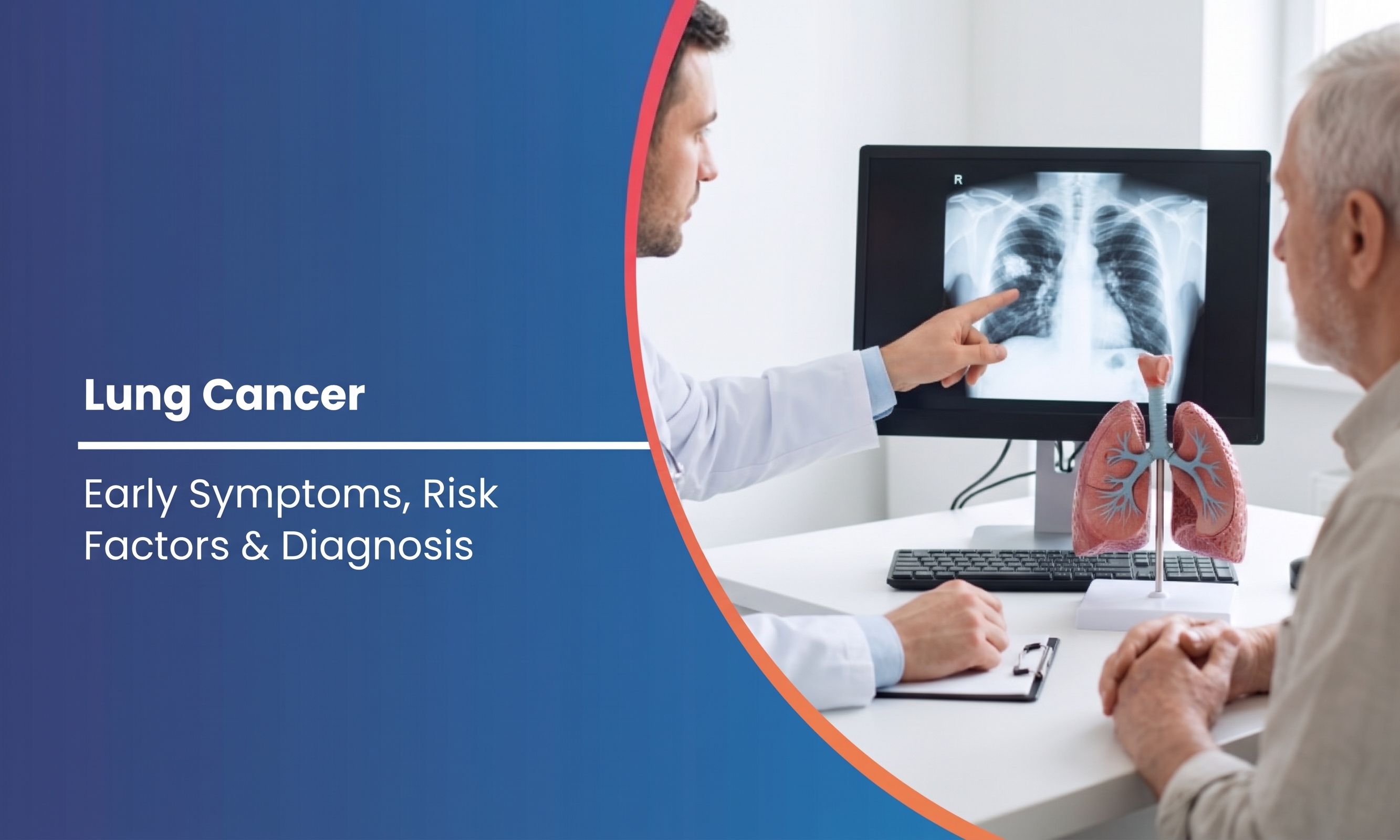
A chest X-ray may be an initial investigation for persistent respiratory symptoms. It can identify abnormalities that need closer examination but cannot reliably determine whether an abnormal area is cancerous.
CT scan
A computed tomography (CT) scan produces detailed cross-sectional images. It helps doctors assess an abnormality's size and location and examine nearby structures.
A contrast-enhanced CT may also help evaluate lymph nodes and areas such as the liver or adrenal glands. Tell the imaging team about previous contrast reactions and any relevant medical conditions.
Bronchoscopy
During a bronchoscopy, a clinician passes a thin flexible camera through the nose or mouth to inspect the airways. Clinicians may collect samples from suspicious areas.
EBUS
Endobronchial ultrasound (EBUS) combines bronchoscopy with ultrasound imaging. It allows clinicians to locate and sample certain lymph nodes or abnormalities near the airways. This can help establish a diagnosis and assess spread.
Needle biopsy or other sampling
For an abnormality closer to the outer part of the lung, an imaging-guided needle biopsy through the chest wall may be appropriate. Other sampling procedures may be needed depending on the safest accessible site.
A biopsy removes cells or tissue for laboratory examination. The team will explain preparation, benefits and possible complications before the procedure.
Why Is a Biopsy Important?
Scans can show suspicious changes, but laboratory examination usually provides confirmation of lung cancer.
A pathologist examines the sample to determine whether cancer cells are present and, if so, their type. An unclear or insufficient sample may require further testing.
Sometimes doctors sample another accessible site, such as a lymph node, instead of the lung abnormality itself. The aim is to obtain enough information through an appropriate procedure.
Ask which question the proposed biopsy will answer and when results are expected.
What Happens After Lung Cancer Is Confirmed?
Further assessment establishes the cancer’s stage, meaning how extensive it is and whether it has spread.
Depending on the findings, this may involve PET-CT, MRI or additional sampling. These tests help the specialist team plan treatment.
Results may arrive at different times. An imaging report may be available before the complete pathology or molecular report. Waiting for additional results does not necessarily mean the diagnosis is uncertain; different tests answer different questions.
Biomarker testing
For appropriate patients, particularly those with non-small cell lung cancer, biomarker testing examines cancer features that may guide treatment.
This can identify changes in genes or proteins that make certain therapies suitable. It does not mean a matching treatment will always be found or that a particular treatment will definitely work.
Ask whether biomarker testing is relevant and whether sufficient tissue is available.
How Diagnosis Guides Treatment
Treatment depends on the cancer type, stage, biomarker results and the person’s overall health.
Options may include surgery, radiotherapy, chemotherapy, targeted therapy or immunotherapy. Some people receive a combination of treatments. Supportive care can also help manage symptoms and treatment-related difficulties.
A specialist team reviews the findings to recommend an individual plan. Two people with lung cancer may receive different recommendations because their cancers and health needs differ.
Is Lung Cancer Screening the Same as Diagnostic Testing?
No. Screening is intended for people without symptoms who meet defined risk criteria. Diagnostic testing investigates symptoms or an abnormal finding.
Low-dose CT screening can reduce lung cancer deaths in appropriately selected high-risk groups. However, it can also produce false alarms, detect abnormalities that require follow-up and expose people to radiation.
Routine chest X-rays are not an effective substitute for low-dose CT screening. Eligibility depends on screening guidelines and local clinical pathways.
If you already have symptoms, seek diagnostic assessment rather than waiting to qualify for screening. A previous normal screening result should not prevent you from reporting new symptoms.
Preparing for Your Appointment
Bring previous scans, reports and a list of medicines. Note when symptoms began and how they affect walking, sleeping or everyday activities.
Useful questions include:
What could be causing these symptoms?
Which test do I need next and why?
When should I expect the results?
Who should I contact if symptoms worsen?
What happens if the first test does not explain the problem?
A persistent cough or unexplained change in breathing deserves a clear follow-up plan. Timely assessment helps identify the cause and establish the next appropriate step.