Overview
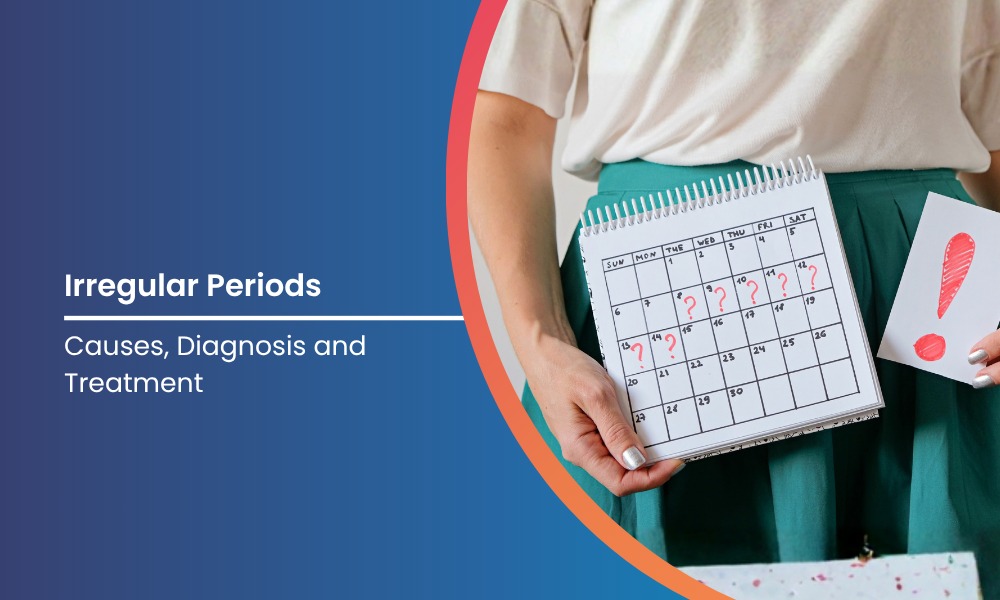
Menstrual cycles can vary from person to person, and an occasional change in timing does not always indicate a health problem. However, periods that repeatedly arrive much earlier or later than expected, are frequently missed, or change significantly from a person's usual pattern may need medical evaluation.
There are many irregular period causes, ranging from normal hormonal changes during certain stages of life to stress, weight changes, thyroid conditions, polycystic ovary syndrome (PCOS), and other reproductive or general health conditions. Because menstrual changes can have several explanations, identifying the underlying cause is important before deciding whether treatment is necessary.
Understanding the possible causes of irregular periods, associated menstrual problems, signs of hormonal imbalance, and common PCOS symptoms can help women and adolescents know when to seek medical advice and what to expect during an evaluation.
What Are Irregular Periods?
A menstrual cycle is counted from the first day of one period to the first day of the next. Cycle length and bleeding patterns naturally differ between individuals and can also change at different stages of life.
Periods may be considered irregular when the menstrual pattern repeatedly differs significantly from what is expected for the individual's age and circumstances. This can include periods that:
Come much earlier or later than usual
Are frequently missed
Stop for several months when pregnancy is not the explanation
Vary substantially in timing from cycle to cycle
Become noticeably heavier or lighter
Last significantly longer or shorter than usual
Occur with unexpected bleeding between periods
An occasional variation can occur without indicating disease. Persistent changes, however, may be associated with hormonal, reproductive, metabolic, or other medical conditions.
It is also important to distinguish irregular timing from other menstrual problems. A person may have fairly predictable cycles but experience unusually heavy bleeding or severe menstrual pain. These symptoms can require evaluation even when periods arrive regularly.
Understanding the Menstrual Cycle
The menstrual cycle is regulated by a coordinated interaction between the brain, ovaries, uterus, and several hormones.
Hormones involved in menstrual regulation include follicle-stimulating hormone (FSH), luteinizing hormone (LH), oestrogen, and progesterone. Other hormones, including thyroid hormones and prolactin, can also influence menstrual function.
During a typical ovulatory cycle, hormonal signals stimulate the development and release of an egg from an ovary. Hormonal changes also prepare the lining of the uterus for a possible pregnancy. If pregnancy does not occur, hormone levels change and the uterine lining is shed as menstrual bleeding.
A disruption at different points in this process can change the timing or characteristics of periods. This is one reason a hormonal imbalance may be associated with irregular menstruation.
What Causes Irregular Periods?
There is no single cause of menstrual irregularity. Some changes are related to normal life stages, while others may be associated with an underlying health condition.
The following are some common causes of irregular periods.
1. Puberty and Early Menstrual Cycles
Menstrual cycles can be irregular after periods first begin. The hormonal system responsible for ovulation and menstruation is still maturing, and cycles may take time to become more predictable.
However, very heavy bleeding, prolonged absence of periods, severe pain, or other concerning symptoms should not automatically be dismissed as part of puberty. Medical assessment may be appropriate.
2. Pregnancy
Pregnancy is an important possible explanation for a missed period in someone who could be pregnant.
A missed period alone cannot confirm pregnancy. If pregnancy is possible, an appropriate pregnancy test and healthcare consultation can help establish the cause.
Pregnancy-related bleeding should also be discussed with a healthcare professional, particularly when accompanied by pain, dizziness, fainting, or other concerning symptoms.
3. Polycystic Ovary Syndrome (PCOS)
Polycystic ovary syndrome is a common hormonal and metabolic condition that can affect ovulation and menstrual cycles.
Possible PCOS symptoms include:
Irregular or infrequent periods
Difficulty predicting ovulation
Increased facial or body hair in some individuals
Acne
Thinning scalp hair in some people
Difficulty becoming pregnant because of irregular ovulation
Other metabolic or hormonal changes
Not everyone with PCOS has the same symptoms, and irregular periods alone do not confirm PCOS.
Diagnosis requires an appropriate medical assessment because other conditions can produce similar symptoms.
4. Thyroid Disorders
The thyroid gland produces hormones that influence many body processes. Both an underactive thyroid and an overactive thyroid can affect menstruation.
Depending on the underlying thyroid problem, periods may become irregular, heavier, lighter, or less frequent.
Because menstrual changes may occur alongside other symptoms, doctors may recommend thyroid-function testing when clinically appropriate.
5. Stress
Physical or emotional stress can influence hormonal signals involved in ovulation and menstruation.
Significant or prolonged stress may cause periods to arrive later than expected or occasionally be missed. However, persistent menstrual irregularity should not automatically be attributed to stress without considering other possible causes.
6. Significant Changes in Weight, Nutrition, or Exercise
Major changes in energy intake, body weight, or physical activity can affect reproductive hormones and ovulation.
Menstrual changes can sometimes occur when the body is under substantial physical or nutritional stress. A healthcare professional can assess the overall situation and determine whether further investigation is necessary.
7. Perimenopause
As a woman approaches menopause, ovarian hormone production changes. This transitional stage, called perimenopause, can lead to changes in cycle timing and menstrual flow.
Periods may become less predictable before eventually stopping.
Although menstrual changes can be expected during this transition, unusually heavy bleeding, bleeding between periods, or other significant changes should still be discussed with a gynaecologist.
8. Elevated Prolactin Levels
Prolactin is a hormone involved in breast milk production. Abnormally elevated prolactin levels outside expected physiological circumstances can interfere with reproductive hormone signals.
This may contribute to infrequent or absent periods in some patients. Doctors may investigate prolactin levels when symptoms and medical history suggest it is appropriate.
9. Certain Medicines
Some medications can influence menstrual cycles or bleeding patterns.
Patients who notice menstrual changes after starting a medicine should discuss the issue with their healthcare professional. Prescribed medicines should not be stopped or changed without appropriate medical advice.
10. Other Gynaecological or Medical Conditions
Certain reproductive and general medical conditions may contribute to abnormal bleeding or menstrual changes.
For example, structural conditions affecting the uterus can sometimes cause changes in bleeding. Other endocrine or systemic illnesses may affect ovulation or menstrual regularity.
Because several conditions can produce similar symptoms, evaluation is often more useful than trying to identify the cause from symptoms alone.
Irregular Periods and Hormonal Imbalance
The phrase hormonal imbalance is commonly used to describe menstrual problems, but it is a broad term rather than a specific diagnosis.
Menstruation depends on several hormones working together. Changes involving thyroid hormones, prolactin, ovarian hormones, or the hormonal pathways controlling ovulation can affect the menstrual cycle.
Possible symptoms associated with an underlying hormonal problem may include menstrual irregularity along with acne, changes in hair growth, or other symptoms depending on the specific condition.
These symptoms do not identify which hormone, if any, is responsible. Laboratory testing and clinical assessment should therefore be based on a person's medical history and symptoms rather than self-diagnosis.
Irregular Periods and PCOS: What Is the Connection?
PCOS is an important consideration in people with persistent irregular or infrequent periods.
In PCOS, ovulation may occur irregularly or may not occur during some cycles. This can make menstrual periods less predictable.
PCOS can also involve higher-than-expected androgen activity and metabolic changes in some individuals.
However, PCOS cannot be diagnosed simply because someone has irregular periods, acne, or increased hair growth. Other conditions can produce similar symptoms and may need to be excluded.
A gynaecologist or another appropriately qualified healthcare professional can determine whether a person's symptoms and test results are consistent with PCOS.
When Should You See a Gynaecologist for Irregular Periods?
Occasional cycle variation may not require treatment. Medical consultation becomes more important when irregular periods are persistent, represent a significant change from the person's usual pattern, or occur alongside other symptoms.
Consider consulting a healthcare professional if:
Periods repeatedly become unpredictable
Menstrual periods stop unexpectedly and pregnancy is not the cause
Bleeding becomes unusually heavy
Bleeding occurs between periods
Bleeding occurs after menopause
Menstrual symptoms interfere significantly with daily activities
Irregular periods occur with symptoms suggestive of PCOS or another hormonal condition
There are concerns about fertility
There is a major unexplained change in the usual menstrual pattern
Early assessment can help identify whether the change is part of a normal life stage or requires further investigation.
How Are Irregular Periods Diagnosed?
The diagnostic process depends on the person's age, symptoms, menstrual history, possibility of pregnancy, medical conditions, and other individual factors.
There is no single test used to diagnose every cause of irregular menstruation.
Medical and Menstrual History
A gynaecologist may ask about:
Age when menstruation began
Typical cycle length
Recent changes in cycle timing
Number of missed periods
Duration and amount of bleeding
Bleeding or spotting between periods
Menstrual pain
Current medicines
Pregnancy possibility
Previous pregnancies
Other medical conditions
Family medical history
Symptoms such as acne or changes in hair growth
Providing an accurate menstrual history can help guide further evaluation.
Physical Examination
A healthcare professional may recommend a general or gynaecological examination depending on the symptoms and clinical circumstances.
The examination is intended to look for findings that could help explain the menstrual changes and determine whether additional testing is necessary.
Pregnancy Testing
When pregnancy is possible, pregnancy testing may be an early part of the evaluation of a missed or unusually delayed period.
This is important because pregnancy can change both the diagnostic approach and treatment decisions.
Blood Tests
Blood tests may be recommended to assess possible hormonal or medical causes.
Depending on the clinical situation, testing may evaluate thyroid function, prolactin, reproductive hormones, or other relevant factors.
Not every patient needs every hormone test. Investigations should be selected according to the individual's symptoms and medical history.
Pelvic Ultrasound
A pelvic ultrasound uses sound waves to produce images of reproductive organs such as the uterus and ovaries.
It may help doctors assess certain structural abnormalities or ovarian features that could contribute to menstrual symptoms.
Ultrasound findings must be interpreted alongside medical history, symptoms, examination findings, and other tests. An ultrasound result alone may not establish the cause of irregular periods.
Additional Investigations
Some patients may require further testing depending on their age, symptoms, bleeding pattern, and initial investigation results.
The goal is to determine the underlying reason for the menstrual change rather than treating irregularity as an isolated symptom.
Treatment Options for Irregular Periods
Treatment depends primarily on the cause.
Not everyone with irregular periods requires medication. In some situations, monitoring may be appropriate. In others, treating an underlying hormonal, gynaecological, or medical condition can help manage menstrual symptoms.
Treating an Underlying Medical Condition
When irregular periods are caused by another condition, treatment may focus on that condition.
For example, menstrual irregularity related to a thyroid disorder may improve when the thyroid condition is appropriately managed.
Similarly, elevated prolactin or other endocrine abnormalities require treatment based on their specific cause.
Hormonal Treatment
Doctors may prescribe hormonal treatment for selected patients to manage menstrual bleeding or improve cycle predictability.
The appropriate option depends on factors such as:
Hormonal medicines should be used under medical supervision because they are not appropriate for everyone.
PCOS Management
Treatment for PCOS is individualized according to symptoms and health priorities.
Management may focus on menstrual regularity, excess androgen-related symptoms, metabolic health, or fertility concerns when relevant.
Because PCOS can affect people differently, treatment that is appropriate for one patient may not be suitable for another.
Addressing Nutrition and Lifestyle Factors
When menstrual changes are associated with substantial changes in nutrition, physical activity, stress, or other lifestyle factors, healthcare professionals may recommend appropriate adjustments.
The objective should be to support overall health and normal physiological function rather than to pursue a particular appearance or body size.
Persistent loss of periods or major menstrual changes should be medically assessed rather than managed through restrictive diets or excessive exercise.
Fertility-Related Treatment
Irregular ovulation can make it more difficult to predict when pregnancy is most likely to occur. Conditions such as PCOS can also affect ovulation.
People with irregular periods who are trying to become pregnant may benefit from gynaecological evaluation. Treatment depends on the underlying cause and should be individualized.
Can Irregular Periods Affect Fertility?
Irregular periods do not automatically mean that a person is infertile.
However, some causes of irregular menstruation involve infrequent or absent ovulation. When ovulation does not occur regularly, becoming pregnant may be more difficult because fertile periods are less predictable.
PCOS, thyroid disorders, elevated prolactin, and other hormonal conditions can sometimes affect both menstrual cycles and fertility.
If pregnancy is a current or future concern, discussing irregular cycles with a gynaecologist can help determine whether further evaluation is needed.
Tracking Your Menstrual Cycle
Keeping a menstrual record can provide useful information during a medical consultation.
Consider recording:
First day of each period
Number of days bleeding continues
Unexpected spotting or bleeding
Significant menstrual symptoms
Relevant changes in medicines or health
A calendar, diary, or period-tracking application can be used according to personal preference.
Tracking is intended to help identify patterns; it should not replace medical evaluation when symptoms are persistent or concerning.
When Does Menstrual Bleeding Need Urgent Medical Attention?
Some menstrual or vaginal bleeding symptoms require prompt medical assessment.
Seek urgent medical care for very heavy bleeding accompanied by symptoms such as fainting, marked dizziness, weakness, shortness of breath, or other signs of significant blood loss.
Severe or worsening pelvic or abdominal pain, particularly when pregnancy is possible, also requires prompt medical attention.
Anyone who is uncertain about the severity of symptoms should contact an appropriate healthcare service for guidance.
Frequently Asked Questions About Irregular Periods
1. What are the most common causes of irregular periods?
Possible causes include normal hormonal changes during puberty or perimenopause, pregnancy, PCOS, thyroid disorders, elevated prolactin, significant stress, substantial changes in nutrition or physical activity, certain medicines, and other medical or gynaecological conditions.
2. How do I know whether my periods are irregular?
A menstrual pattern may warrant evaluation when periods repeatedly arrive much earlier or later than expected, are frequently missed, or change significantly from your established pattern. Persistent or substantial changes are more important than an occasional variation.
3. Can stress cause irregular periods?
Yes. Significant stress can affect hormonal pathways involved in ovulation and menstruation. However, persistent irregular periods should not automatically be assumed to be caused by stress because other conditions can produce similar changes.
4. Are irregular periods always caused by hormonal imbalance?
No. Hormonal conditions are one possible explanation, but pregnancy, certain medicines, structural gynaecological conditions, life-stage changes, and other health factors can also affect menstrual patterns.
5. What PCOS symptoms can occur with irregular periods?
Possible PCOS symptoms include irregular or infrequent periods, acne, increased facial or body hair in some people, scalp hair thinning, and difficulty becoming pregnant due to irregular ovulation. Symptoms vary, and PCOS requires appropriate medical assessment.
6. Can thyroid problems affect periods?
Yes. Both underactive and overactive thyroid conditions can affect menstrual cycles. A doctor may recommend thyroid testing when symptoms or medical history suggest a possible thyroid disorder.
7. What tests are done for irregular periods?
Testing depends on individual circumstances. It may include pregnancy testing, selected blood tests for hormonal or other medical causes, and pelvic ultrasound. Additional investigations may be recommended when necessary.
8. Do irregular periods need treatment?
Not always. Treatment depends on the cause, symptoms, age, health history, and reproductive goals. Some menstrual variation may only require monitoring, while an underlying medical condition may require specific treatment.
9. Can irregular periods make it difficult to get pregnant?
They can in some circumstances. If irregular periods are caused by infrequent ovulation, predicting fertile periods and becoming pregnant may be more difficult. Appropriate evaluation can help identify whether an ovulation or hormonal problem is present.
10. Can PCOS be diagnosed by ultrasound alone?
No. Ultrasound may provide useful information, but PCOS diagnosis requires consideration of symptoms, medical history, and other appropriate clinical findings. Other possible causes of similar symptoms may also need to be considered.
11. Should I see a gynaecologist if I miss a period?
A single late or missed period can have several explanations. If pregnancy is possible, testing may be appropriate. Repeatedly missed periods, prolonged absence of menstruation, or missed periods accompanied by other symptoms should be discussed with a healthcare professional.
12. When should menstrual bleeding be considered an emergency?
Very heavy bleeding accompanied by fainting, significant dizziness, weakness, breathing difficulty, or other signs of substantial blood loss requires urgent medical attention. Severe pelvic or abdominal pain, especially when pregnancy is possible, should also be assessed promptly.