Infertility in Men and Women Causes and Treatment
Overview
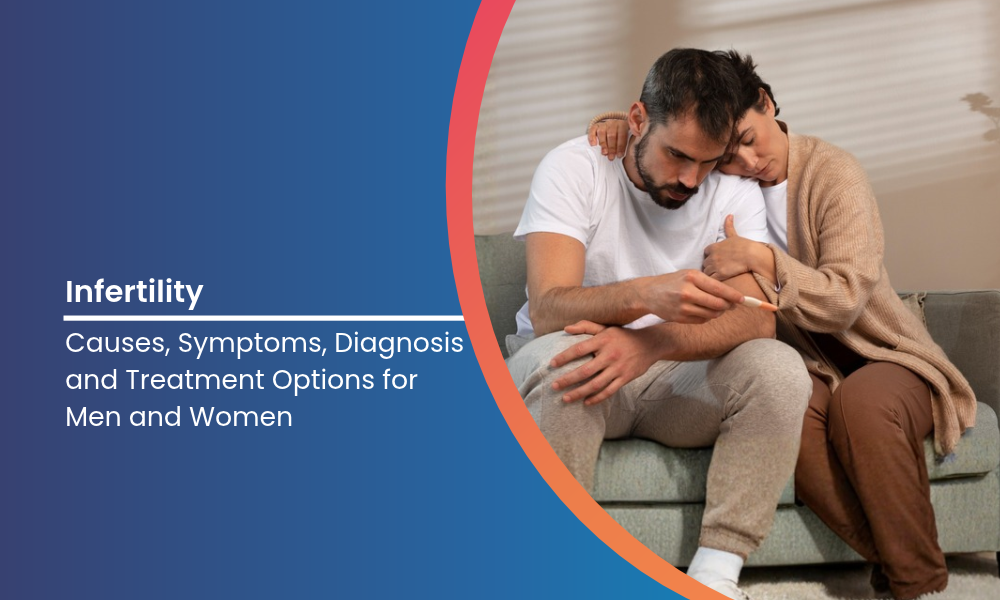
Infertility is a common reproductive health concern affecting millions of individuals and couples worldwide. For people planning a family, difficulty achieving pregnancy can raise questions about their reproductive health, possible medical conditions, and available treatment options.
According to the World Health Organization (WHO), approximately one in six people of reproductive age experience infertility at some point during their lifetime. Although infertility can be emotionally challenging, advances in reproductive medicine have made it possible to identify many underlying causes and offer personalized treatment options.
Infertility may be associated with hormonal imbalances, ovulation problems, blocked fallopian tubes, sperm abnormalities, or other reproductive conditions. Sometimes, even after a detailed medical evaluation, doctors can't identify the exact cause.
Understanding infertility causes, recognizing potential reproductive health concerns, and seeking timely fertility evaluation can help patients make informed decisions.
This guide explains the causes of infertility in men and women, diagnostic tests, available infertility treatment options, and the importance of specialist care.
What Is Infertility?
Infertility is a medical condition generally defined as the inability to achieve pregnancy after 12 months or more of regular, unprotected sexual intercourse.
Pregnancy requires several coordinated biological processes, including ovulation, healthy sperm production, fertilization, and successful implantation in the uterus.
A disruption in any of these processes may affect fertility.
Infertility is commonly classified into two categories.
Primary Infertility
Primary infertility occurs when a person has never achieved a pregnancy.
Secondary Infertility
Secondary infertility occurs when someone has difficulty becoming pregnant after previously achieving at least one pregnancy.
Both types may result from male factors, female factors, a combination of conditions, or unexplained causes.
Importantly, infertility is not exclusively a women's health issue. When applicable, a comprehensive evaluation should consider both partners' reproductive health.
When Should You Consult a Doctor for Infertility?
When to consult a doctor for fertility depends on age, medical history, and existing reproductive conditions.
Medical evaluation is generally recommended:
Under 35 years: After 12 months of unsuccessful attempts to conceive.
Between 35 and 40 years: After six months of unsuccessful attempts.
Over 40 years: More immediate fertility evaluation may be appropriate.
At any age: Consult earlier if a known condition may affect fertility.
Conditions requiring earlier assessment include irregular menstrual cycles, suspected endometriosis, previous pelvic infections, significant reproductive surgery, or known sperm abnormalities.
Individuals who have received chemotherapy or other treatments that may affect fertility should also discuss reproductive health with a specialist.
Early consultation allows doctors to identify potential concerns and recommend appropriate investigations without unnecessary delays.
What Are the Common Signs and Symptoms of Infertility?
The most common indication of infertility is difficulty achieving pregnancy despite regular attempts.
However, infertility itself often produces no noticeable physical symptoms.
Some individuals may experience:
Irregular, absent, or unusually painful menstrual periods.
Persistent pelvic discomfort.
Symptoms associated with hormonal imbalances.
Known problems affecting sperm production.
Difficulty with sexual function.
Previous reproductive infections or medical conditions.
These symptoms do not automatically indicate infertility. Similarly, having regular menstrual cycles does not guarantee normal fertility.
A medical evaluation is necessary to identify contributing factors.
What Causes Infertility in Women?
Female infertility may result from conditions affecting ovulation, the fallopian tubes, uterus, hormones, or other reproductive structures.
1. Ovulation Disorders
Ovulation disorders are a common cause of infertility.
When an egg is not released regularly, the chances of fertilization may decrease.
Polycystic ovary syndrome (PCOS), thyroid disorders, and abnormalities affecting reproductive hormone regulation can interfere with ovulation.
2. Blocked or Damaged Fallopian Tubes
Fallopian tubes allow eggs and sperm to meet and provide a pathway for early embryo development.
Blockage or damage can result from pelvic inflammatory disease, previous infections, endometriosis, or abdominal surgery.
Tubal abnormalities may prevent fertilization or increase the risk of ectopic pregnancy.
3. Endometriosis
Endometriosis occurs when tissue similar to the uterine lining grows outside the uterus.
It may cause pelvic pain, painful menstruation, inflammation, and fertility difficulties.
Not everyone with endometriosis experiences infertility, and treatment depends on individual findings.
4. Uterine Conditions
Certain uterine abnormalities may affect implantation or pregnancy development.
Examples include fibroids that distort the uterine cavity, endometrial polyps, intrauterine adhesions, and congenital structural abnormalities.
5. Age-Related Fertility Changes
Female fertility generally declines with increasing reproductive age, particularly as egg quantity and quality decrease.
Age is an important consideration during fertility counseling, but individual fertility cannot be determined by age alone.
6. Hormonal and Medical Conditions
Thyroid disorders, elevated prolactin levels, premature ovarian insufficiency, and certain chronic medical conditions may interfere with normal reproductive functioning.
Identifying these conditions can help guide appropriate infertility treatment.
What Causes Infertility in Men?
Male reproductive factors may contribute to infertility independently or alongside female reproductive conditions.
Common male infertility causes include:
Low Sperm Count
A reduced sperm count may lower the likelihood of fertilization.
Poor Sperm Movement or Shape
Abnormal sperm motility or morphology may reduce sperm's ability to reach and fertilize an egg.
Varicocele
A varicocele is an enlargement of veins around the testicle. In some individuals, it may affect sperm production or function.
Hormonal Disorders
Abnormalities involving testosterone or hormones that regulate sperm production may contribute to infertility.
Reproductive Tract Problems
Obstruction, previous infections, certain genetic conditions, and other structural problems may affect sperm delivery.
Male fertility evaluation is important even when no obvious symptoms are present. Treatment depends on the underlying diagnosis.
What Is Unexplained Infertility?
Unexplained infertility is diagnosed when standard fertility investigations do not identify a clear cause.
This does not necessarily mean that no reproductive problem exists. Routine investigations may not detect some factors.
Treatment planning depends on age, duration of infertility, previous pregnancies, and other clinical considerations.
Options may include continued observation, selected fertility treatments, or assisted reproductive procedures.
How Is Infertility Diagnosed?
A systematic fertility evaluation helps doctors identify factors that may be affecting conception.
When appropriate, doctors should evaluate both partners at the same time.
1. Medical History and Examination
The specialist reviews menstrual patterns, previous pregnancies, medical conditions, medications, surgeries, and relevant family history.
Physical examination may help identify hormonal or reproductive abnormalities.
2. Semen Analysis
Semen analysis is a fundamental investigation for male infertility.
It assesses sperm concentration, movement, shape, and other characteristics.
An abnormal result may require repeat testing because semen parameters can vary over time.
3. Ovulation and Hormone Assessment
Doctors may review menstrual history and recommend blood tests if they suspect hormonal abnormalities.
Testing may include thyroid hormones, prolactin, or other reproductive hormones depending on symptoms.
4. Pelvic Ultrasound
Ultrasound imaging helps evaluate the uterus, ovaries, and certain structural abnormalities.
It may identify fibroids, ovarian cysts, or other findings requiring further investigation.
5. Ovarian Reserve Assessment
Anti-Müllerian hormone (AMH) testing and antral follicle count may help estimate ovarian response during fertility treatment.
However, these measurements cannot reliably predict whether someone will conceive naturally. Interpret results alongside age and clinical history.
6. Fallopian Tube Evaluation
Hysterosalpingography (HSG) or selected ultrasound-based investigations can assess whether the fallopian tubes are open.
These procedures are recommended according to individual clinical circumstances.
7. Additional Investigations
Hysteroscopy, laparoscopy, genetic testing, or specialized hormonal investigations may occasionally be necessary.
Not every patient requires every test. A fertility specialist should recommend investigations based on relevant findings.
Infertility Treatment: What Are the Available Options?
Modern infertility treatment includes medicines, surgical procedures, and assisted reproductive technologies.
The appropriate approach depends on the identified cause, reproductive history, and patient preferences.
1. Treatment for Ovulation Disorders
For patients who do not ovulate regularly, doctors may prescribe medicines that stimulate ovulation.
Letrozole is a commonly recommended first-line option for selected patients with PCOS-related anovulatory infertility when no other infertility factors are present.
Clinicians may consider clomiphene citrate or injectable gonadotrophins in specific circumstances.
These treatments require medical supervision because they can have side effects and may increase the likelihood of multiple pregnancy.
2. Treatment of Underlying Medical Conditions
Managing thyroid disorders, hormonal abnormalities, and other medical conditions may improve reproductive functioning.
The treatment plan depends on the underlying problem and whether it can be corrected.
3. Surgical Treatment
Selected patients may benefit from procedures addressing uterine abnormalities, certain fibroids, endometriosis, or reproductive tract obstruction.
Surgery is not routinely required for every fertility condition. Assess potential benefits and risks individually.
4. Intrauterine Insemination (IUI)
Intrauterine insemination involves placing specially prepared sperm inside the uterus around the time of ovulation.
IUI may be considered in certain fertility situations, depending on sperm characteristics, tubal health, and other clinical factors.
It is generally less invasive than IVF but is not suitable for every diagnosis.
5. In Vitro Fertilisation (IVF)
In vitro fertilization is an assisted reproductive technique in which eggs are collected and fertilized in a laboratory.
The resulting embryo is subsequently transferred into the uterus.
IVF may be considered for blocked fallopian tubes, certain male fertility problems, prolonged infertility, or unsuccessful earlier treatments.
Treatment outcomes vary considerably according to age, embryo characteristics, underlying conditions, and other factors.
6. Intracytoplasmic Sperm Injection (ICSI)
ICSI is a specialized laboratory technique used during IVF in which a single sperm is introduced directly into an egg.
It may be recommended for selected cases involving significant sperm abnormalities or previous fertilization difficulties.
7. Donor and Fertility Preservation Options
Donor eggs, donor sperm, or other assisted reproductive options may be appropriate for some patients, depending on medical circumstances and applicable regulations.
Egg, sperm, or embryo freezing may also be discussed when fertility could be affected by certain medical treatments.
These decisions require specialist counseling and informed consent.
How Successful Is Infertility Treatment?
Infertility treatment success varies from person to person.
Important factors include:
Age and reproductive history.
Underlying infertility diagnosis.
Egg and sperm characteristics.
Ovarian response to treatment.
Uterine and fallopian tube health.
Type of fertility treatment selected.
Previous treatment outcomes.
No medical intervention can guarantee pregnancy or a live birth.
Patients should ask their fertility specialist about realistic outcomes, possible complications, treatment costs, and available alternatives.
Assisted reproductive treatments may carry risks, including ovarian hyperstimulation, multiple pregnancy, and complications associated with medical procedures.
Individualized counseling helps patients make informed treatment decisions.
How Can You Support Reproductive Health?
Although not every cause of infertility is preventable, certain health measures may support overall reproductive well-being.
Helpful steps include:
Maintaining balanced nutrition and regular physical activity.
Getting adequate sleep.
Avoiding tobacco, recreational drugs, and alcohol when planning pregnancy.
Managing existing medical conditions.
Seeking timely treatment for reproductive infections.
Reviewing medications with a healthcare professional.
Discussing recommended vaccinations and preconception supplements.
Attending appropriate reproductive health check-ups.
People planning pregnancy should ask their healthcare professional about folic acid supplementation.
Lifestyle changes may support general health but cannot reliably correct conditions such as blocked fallopian tubes or significant sperm abnormalities.
Unproven fertility supplements and treatments should not replace evidence-based medical evaluation.
Emotional Well-Being During Fertility Treatment
Infertility can affect emotional health, relationships, and everyday life.
Uncertainty, repeated appointments, treatment expenses, and unsuccessful attempts may contribute to stress or anxiety.
Emotional support is therefore an important component of fertility care.
Patients may benefit from counseling, supportive communication, and realistic discussions with their healthcare team.
Fertility decisions should respect personal preferences, circumstances, and emotional well-being.
Frequently Asked Questions About Infertility
1. What are the most common causes of infertility?
Common infertility causes include ovulation disorders, blocked fallopian tubes, endometriosis, uterine abnormalities, and sperm-related problems. Sometimes, several factors contribute simultaneously. A fertility evaluation helps identify possible causes.
2. Can infertility be treated successfully?
Many causes of infertility can be managed with appropriate treatment. Options include medication, surgery, IUI, and IVF. However, treatment success depends on individual medical circumstances and cannot be guaranteed.
3. What is the first test recommended for infertility?
Initial evaluation usually involves medical history and reproductive health assessment. Depending on individual circumstances, doctors commonly recommend semen analysis, ovulation assessment, and selected imaging investigations.
4. Can PCOS cause infertility?
Yes. PCOS may interfere with regular ovulation and make conception more difficult. However, many people with PCOS can conceive, sometimes with medical assistance. Treatment depends on ovulation patterns and other fertility factors.
5. Does irregular menstruation indicate infertility?
Irregular menstrual periods may suggest ovulation or hormonal problems, but they do not automatically indicate infertility. A gynecologist can evaluate menstrual patterns and decide whether additional investigations are needed.
6. Is IVF the only treatment for infertility?
No. Depending on the diagnosis, infertility treatment may involve managing an underlying condition, stimulating ovulation, selected surgery, or IUI. IVF is one option among several available treatments.
7. Can male infertility be treated?
Certain male infertility conditions can be treated through medical or surgical approaches. Assisted reproductive techniques may help in selected cases. Treatment depends on semen analysis and specialist assessment.
8. Can someone develop infertility after having a child?
Yes. Secondary infertility can occur after a previous pregnancy. Age-related changes, reproductive conditions, infections, or newly developed male or female fertility factors may contribute.
9. Is infertility treatment painful?
Some fertility investigations and procedures can cause temporary discomfort. Experiences vary according to the treatment. Healthcare professionals can explain pain-management options and what to expect during recovery before a procedure.
10. When should couples visit a fertility specialist?
Couples should generally seek evaluation after 12 months of unsuccessful attempts, or after six months when the female partner is 35 or older. Consult earlier if known reproductive health conditions are present.