High-Risk Pregnancy Causes, Risks and Care Essentials
Overview
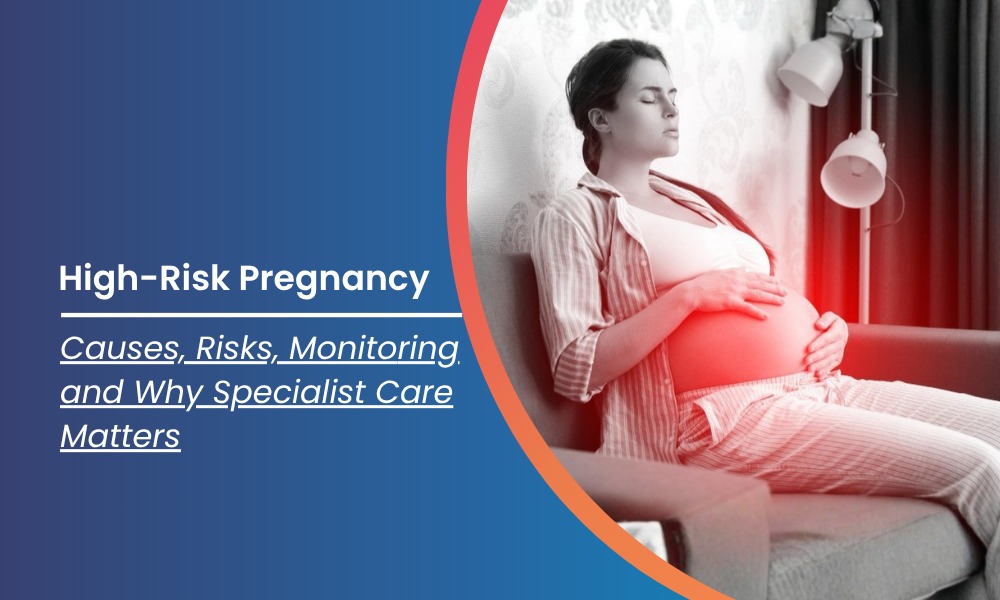
Pregnancy brings significant physical changes and most pregnancies progress without major problems. However, some women need closer medical attention because an existing health condition, a pregnancy-related complication or a concern involving the developing baby increases the possibility of health problems.
This is known as a high-risk pregnancy. It does not mean that complications will definitely occur. Instead, it means that additional assessment, pregnancy monitoring, specialist input or treatment may be needed to protect maternal and fetal health. Early and regular prenatal care is particularly important because it can help healthcare teams identify problems promptly and plan appropriate care.
Understanding what makes a pregnancy high risk, the possible pregnancy complications and the role of specialist maternal care can help expectant parents participate confidently in decisions about their care.
What Is a High-Risk Pregnancy?
A high-risk pregnancy is one in which the mother, developing baby or both have a greater chance of experiencing health problems during pregnancy, labour or delivery compared with a typical pregnancy.
A pregnancy may be considered high risk from the beginning because of the mother's medical history or may become high risk when a complication develops later in pregnancy. Chronic conditions such as high blood pressure and diabetes, multiple pregnancy, certain infections, previous pregnancy complications and conditions that develop during pregnancy can all increase risk.
Importantly, being classified as high risk does not predict the outcome of the pregnancy. Many women with recognised risk factors progress through pregnancy safely with appropriate medical care and monitoring. The purpose of identifying risk is to determine where additional surveillance or treatment may be beneficial.
What Causes a Pregnancy to Become High Risk?
There is no single cause of high-risk pregnancy. Doctors consider maternal health, previous pregnancies, the current pregnancy, fetal health, age and other individual circumstances.
Pre-existing Medical Conditions
Some health conditions present before conception may require additional maternal care throughout pregnancy.
These can include:
Chronic high blood pressure
Type 1 or type 2 diabetes
Heart or cardiovascular disease
Kidney disease
Thyroid disorders
Autoimmune conditions
Certain blood disorders
Some infections
Polycystic ovary syndrome and other relevant medical conditions
Pregnancy changes the body's cardiovascular, metabolic, hormonal and other systems. As a result, an existing condition may need closer monitoring or adjustments in treatment.
For example, women with diabetes may need careful blood glucose management while women with hypertension may require frequent blood pressure assessments and monitoring for pregnancy-related complications.
Women with hormonal disorders, fertility concerns or conditions affecting ovulation may sometimes receive assessment through Reproductive Endocrinology & Infertility services before conception. Appropriate evaluation and management before pregnancy can help healthcare teams identify factors that may influence pregnancy planning and subsequent maternal care.
Pregnancy-Related Conditions
A woman who begins pregnancy without major risk factors can still develop a complication that changes the level of care needed.
Examples include:
Gestational diabetes
Gestational hypertension
Preeclampsia
Problems involving the placenta
Abnormal fetal growth
Excessive or reduced amniotic fluid
Certain infections during pregnancy
Threatened or established preterm labour
The significance of each condition varies. Some require observation while others may require medication, hospital monitoring, additional fetal surveillance or carefully planned delivery.
Multiple Pregnancy
Carrying twins, triplets or other multiples generally requires more intensive pregnancy monitoring because multiple pregnancies have higher rates of complications such as preterm birth and preeclampsia.
Some multiple pregnancies may occur following assisted reproductive treatments such as In Vitro Fertilisation IVF. In these situations, pregnancy monitoring is based on the number of babies, maternal health, fetal development and other individual clinical factors rather than the method of conception alone.
Additional ultrasound examinations may be recommended to assess fetal growth and other pregnancy-specific concerns.
Previous Pregnancy Complications
A previous obstetric history can help doctors estimate risk during a future pregnancy.
Closer monitoring may be recommended after a history of:
Preeclampsia
Preterm labour or preterm birth
Fetal growth problems
Stillbirth
Certain placental complications
Previous significant pregnancy or delivery complications
Having experienced one of these problems previously does not mean it will necessarily happen again. It does, however, give the obstetric team information that can be used to plan surveillance.
Maternal Age
Pregnancy at different ends of the reproductive age range can sometimes be associated with additional risks. In particular, pregnancy at age 35 or above is associated with increased likelihood of certain conditions, including gestational hypertension and gestational diabetes although most women in this age group can still have healthy pregnancies.
Doctors consider age alongside overall health, medical history, screening results and other factors rather than using age alone to determine the entire care plan.
What Pregnancy Complications May Be Associated With High-Risk Pregnancy?
The possible complications depend on why the pregnancy is considered high risk. There is no single set of problems experienced by every high-risk patient.
Preeclampsia
Preeclampsia is a pregnancy-related condition involving high blood pressure and other signs of maternal organ involvement. Careful blood pressure monitoring and appropriate assessment are important because the condition can become serious if it progresses.
Gestational Diabetes
Gestational diabetes develops when blood glucose levels become elevated during pregnancy. Management may include nutrition guidance, physical activity when medically appropriate, glucose monitoring and medication when required.
Preterm Birth
Preterm birth occurs when a baby is born before 37 completed weeks of pregnancy. Some high-risk conditions increase the likelihood of early delivery which is why symptoms, cervical changes, fetal wellbeing and other relevant factors may require additional observation.
Fetal Growth Problems
Some babies may grow more slowly or more rapidly than expected. Ultrasound measurements can help specialists assess fetal growth over time rather than relying on a single measurement.
Placental Problems
Conditions affecting the location or function of the placenta can sometimes cause bleeding, affect fetal growth or influence how and when the baby should be delivered.
These examples illustrate why pregnancy complications require individual assessment. A risk associated with one pregnancy may have little relevance to another.
Why Is Specialist Care Important in a High-Risk Pregnancy?
The management of high-risk pregnancy may involve an obstetrician along with other specialists depending on the mother's condition and the baby's needs.
A Maternal Fetal Medicine specialist, where available and appropriate, has advanced expertise in maternal medical conditions, obstetric complications, fetal conditions and other complex aspects of pregnancy. Specialist involvement may take the form of consultation, shared management with the regular obstetrician or transfer of care in particularly complex situations.
A multidisciplinary care team may also involve physicians from specialties such as cardiology, endocrinology, nephrology, anaesthesiology, neonatology or other departments when clinically indicated.
In uncommon situations where a woman has a suspected or diagnosed gynaecological cancer during pregnancy, coordinated care involving obstetric specialists and Gynecologic Oncology may be required. Management in such cases needs to consider the type and stage of the condition, gestational age, maternal health and fetal wellbeing.
Specialist care can help with:
Identifying maternal and fetal risk factors
Deciding which investigations are appropriate
Managing existing medical conditions during pregnancy
Interpreting fetal growth and wellbeing assessments
Coordinating care between different specialists
Determining whether hospital observation is necessary
Planning the timing and method of delivery
Preparing neonatal support when it may be needed
The objective is not simply to perform more tests. It is to provide risk-appropriate maternal care based on the needs of the individual pregnancy.
How Is a High-Risk Pregnancy Monitored?
Pregnancy monitoring is tailored to the underlying condition, gestational age, maternal health, fetal development and previous obstetric history.
Prenatal Assessments
Routine appointments may include blood pressure measurements, weight assessment, physical examination, urine testing and discussion of symptoms. Blood tests and other investigations may also be performed when appropriate.
Regular prenatal visits allow the healthcare team to assess both maternal health and fetal development over time.
High-risk pregnancies may require appointments more frequently than uncomplicated pregnancies.
Ultrasound Examinations
Ultrasound can provide information about:
Fetal growth
Fetal anatomy
Amniotic fluid
Placental position
Multiple pregnancy
Other pregnancy-specific concerns
Some patients may require serial growth scans to determine whether the baby's growth is progressing appropriately.
Maternal Health Monitoring
Monitoring may focus on the medical condition responsible for increased risk.
For example, this may involve:
Blood pressure measurements
Blood glucose monitoring
Blood or urine tests
Assessment of kidney, thyroid or other organ function when relevant
Review of medications
Doctors may adjust the monitoring plan as pregnancy progresses.
Fetal Wellbeing Assessment
Some high-risk pregnancies require additional assessment of fetal wellbeing later in pregnancy. The specific tests and their timing are determined by the clinical situation.
The goal is to identify concerning changes early enough for the obstetric team to decide whether continued observation, treatment, hospital care or delivery is appropriate.
How Is a High-Risk Pregnancy Treated?
There is no universal treatment for high-risk pregnancy because treatment depends on the underlying cause.
For a woman with a chronic medical condition, management may focus on keeping that condition as stable as possible throughout pregnancy. A pregnancy complicated by gestational diabetes may require glucose management while hypertension may require blood pressure surveillance and appropriate medication.
Other situations may involve:
Prescribed medications considered appropriate during pregnancy
Nutritional guidance
Specialist consultation
More frequent maternal or fetal assessments
Hospital observation when clinically necessary
Treatment of infections or other medical problems
Planning delivery earlier than the expected due date when continuing pregnancy presents greater risk
Medication should not be started, stopped or changed during pregnancy without discussing it with an appropriate healthcare professional.
The management plan may also change. A woman who initially needs only additional clinic visits may later require more intensive monitoring if her condition or the baby's condition changes.
Planning Labour and Delivery
Delivery planning is an important part of specialist high-risk pregnancy care.
The medical team considers factors including:
Maternal health
Fetal growth and wellbeing
Placental health
Gestational age
Previous deliveries
The underlying pregnancy complication
Whether specialised maternal or neonatal support may be required
A high-risk pregnancy does not automatically mean a caesarean birth is necessary. The safest mode of delivery depends on individual clinical circumstances.
In some situations, allowing pregnancy to continue is appropriate. In others, planned induction or caesarean delivery may be recommended because the balance of risks has changed.
Having a delivery plan in advance can also help ensure that the required obstetric, anaesthesia, neonatal, blood-bank or other hospital services are available if needed.
Care After Delivery Is Also Important
Risk assessment does not necessarily end once the baby is born.
Certain pregnancy complications may require postpartum monitoring. Blood pressure problems, diabetes during pregnancy, significant bleeding, surgical recovery and underlying medical conditions may all influence follow-up care.
Depending on symptoms after childbirth, some women may also benefit from specialised Urogynaecology assessment for pelvic floor disorders, urinary symptoms, pelvic organ support concerns or other related conditions.
Some pregnancy complications can also provide information about a woman's future health. For example, women who have experienced gestational diabetes have a higher long-term risk of developing type 2 diabetes, making appropriate follow-up important.
Postnatal appointments give the healthcare team an opportunity to review recovery, medications, ongoing medical conditions and plans for longer-term care.
Can the Risk of Pregnancy Complications Be Reduced?
Not every high-risk pregnancy can be prevented. Genetic conditions, multiple pregnancy, previous medical problems and complications that arise unexpectedly cannot always be avoided.
However, certain steps can support healthier pregnancy outcomes.
These include:
Seeking preconception advice when living with a chronic medical condition
Beginning prenatal care early
Attending scheduled appointments
Taking medicines only as directed by healthcare professionals
Following medical advice regarding nutrition and appropriate activity
Avoiding tobacco, alcohol and other potentially harmful exposures
Keeping recommended vaccinations up to date
Managing diabetes, hypertension, thyroid disorders and other existing conditions
Reporting new or concerning symptoms promptly
Pre-pregnancy assessment can be particularly useful for women with known medical conditions because treatment and medication plans can sometimes be reviewed before conception.
Women who are experiencing fertility difficulties or reproductive hormonal conditions may also require preconception assessment through Reproductive Endocrinology & Infertility services. Where assisted conception is appropriate, options such as In Vitro Fertilisation IVF may form part of an individualised fertility treatment plan.
When Should a Pregnant Woman Seek Urgent Medical Attention?
Every patient should follow the instructions provided by her obstetric team. Urgent medical assessment may be needed for symptoms such as:
Heavy vaginal bleeding
Severe or persistent abdominal pain
Severe headache, particularly with visual changes
Chest pain or significant difficulty breathing
Seizures
Sudden severe swelling accompanied by other concerning symptoms
Leakage of fluid from the vagina
Regular painful contractions significantly before the expected delivery date
Noticeably reduced fetal movements after a movement pattern has become established
Any symptom that the obstetric team has specifically advised requires urgent evaluation
If there is uncertainty about whether a symptom is serious, contacting the maternity team or an appropriate emergency service is safer than delaying assessment.
High-Risk Pregnancy Care Is About Anticipation, Not Prediction
Being told that a pregnancy is high risk can understandably cause concern. However, the term is primarily a clinical tool that helps healthcare professionals determine the level of maternal care, surveillance and specialist involvement a pregnancy may need.
It does not mean that a serious complication is certain to develop.
The most effective approach is individualised care: understanding the reason for increased risk, monitoring maternal and fetal health, treating problems when they arise and planning delivery according to changing clinical circumstances.
With coordinated obstetric care and appropriate pregnancy monitoring, healthcare teams can identify concerns early and make informed decisions throughout pregnancy, delivery and the postpartum period.
Frequently Asked Questions About High-Risk Pregnancy
1. What qualifies as a high-risk pregnancy?
A pregnancy may be classified as high risk when the mother, baby, or both have a greater chance of complications than in a typical pregnancy. Reasons can include chronic medical conditions, multiple pregnancy, previous obstetric complications, maternal age, or a new condition such as preeclampsia or gestational diabetes.
2. Does high-risk pregnancy mean something will go wrong?
No. A high-risk classification indicates increased risk, not a definite outcome. Many women with high-risk pregnancies do not experience serious complications, particularly when appropriate prenatal and specialist care is available.
3. How often will I need appointments during a high-risk pregnancy?
There is no single appointment schedule for every high-risk pregnancy. Your obstetric team determines the frequency according to the underlying condition, stage of pregnancy, maternal health, and fetal wellbeing.
4. Do high-risk pregnancies require more ultrasound scans?
Some do. Additional ultrasound examinations may be recommended to monitor fetal growth, amniotic fluid, placental factors, or another specific concern. Not every patient requires the same number of scans.
5. Can a high-risk pregnancy become low risk later?
Risk can change during pregnancy. Some temporary concerns may resolve or remain stable, while new problems can also arise later. Your obstetrician will reassess your care plan throughout pregnancy.
6. Can I have a normal delivery with a high-risk pregnancy?
Possibly. High risk does not automatically mean caesarean delivery. Vaginal delivery may remain appropriate for many women. The safest method depends on maternal health, fetal wellbeing, pregnancy complications, gestational age, and obstetric history.
7. When should I see a high-risk pregnancy specialist?
Specialist assessment may be recommended when there is a significant maternal medical condition, fetal concern, multiple pregnancy, previous serious pregnancy complication, or a complication developing during the current pregnancy. Your obstetrician can determine whether specialist consultation or co-management is appropriate.
8. Is pregnancy after age 35 always high risk?
Age 35 or above is associated with increased likelihood of certain pregnancy complications, but age alone does not determine how a pregnancy will progress. Doctors consider overall health, medical history, screening findings, and the course of the pregnancy when planning care.
9. Can high-risk pregnancy be prevented?
Not always. Some risk factors cannot be changed, and some complications begin unexpectedly during pregnancy. Preconception care, management of existing medical conditions, healthy pregnancy practices, and early prenatal care may help reduce certain avoidable risks.
10. Why is regular pregnancy monitoring so important?
Regular monitoring helps doctors follow maternal health and fetal development, recognise changes, and determine whether treatment or additional intervention is needed. In high-risk pregnancy, the type and frequency of monitoring are selected according to the patient's individual risk factors.