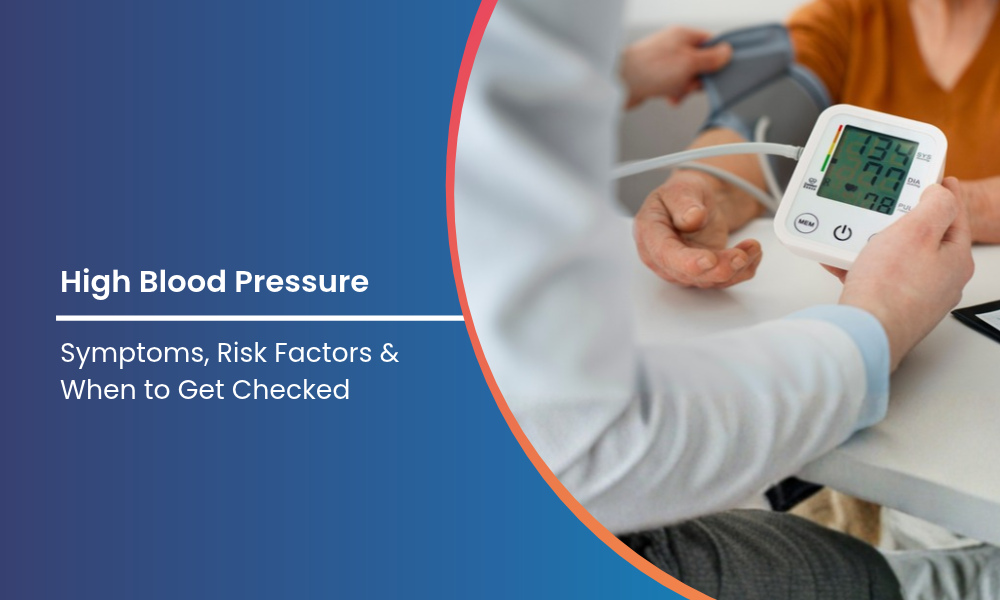
High Blood Pressure Symptoms and Risk Factors
Overview
High blood pressure is one of the most common health conditions affecting adults, yet many people do not realise they have it. Unlike illnesses that produce noticeable discomfort, high blood pressure can develop gradually and remain undetected for years. A person may feel completely healthy while their blood pressure remains consistently above the recommended range.
Also known as hypertension, high blood pressure occurs when blood pushes against artery walls with greater force than it should over time. If left uncontrolled, this increased pressure can affect the heart, brain, kidneys, eyes and other vital organs.
The encouraging news is that early detection, healthy lifestyle changes, appropriate medication, and regular medical follow-up can often manage high blood pressure effectively.
Understanding high blood pressure symptoms, recognising hypertension risk factors and knowing when to schedule a blood pressure check are important steps towards protecting long-term cardiovascular health.
This guide explains what high blood pressure is, who may be at risk, how doctors diagnose it, the available treatment options, and when medical attention is needed.
What Is High Blood Pressure (Hypertension)?
Blood pressure is the force circulating blood exerts against the artery walls as the heart pumps blood throughout the body.
It is measured in millimetres of mercury (mmHg) and expressed using two numbers.
Systolic blood pressure: The upper number, representing pressure when the heart contracts and pumps blood.
Diastolic blood pressure: The lower number, representing pressure when the heart relaxes between beats.
For example, a blood pressure reading of 120/80 mmHg means the systolic pressure is 120, and the diastolic pressure is 80.
In commonly used Indian clinical guidance, hypertension is generally identified when properly measured clinic blood pressure remains at or above 140/90 mmHg on repeated assessments. Some international guidelines use lower thresholds, including 130/80 mmHg, to identify hypertension earlier.
Doctors interpret these readings alongside a person's age, medical history, cardiovascular risk and measurements obtained outside the clinic.
Why Is High Blood Pressure a Serious Health Concern?
When blood pressure stays elevated, the heart must work harder to pump blood against greater resistance. Over time, this strains blood vessels and vital organs.
Persistent hypertension increases the risk of several health complications.
Heart Disease
High blood pressure can contribute to coronary artery disease by damaging blood vessels and accelerating the development of fatty deposits within arteries.
It may also thicken the heart muscle, making the heart less efficient at pumping blood. In some cases, longstanding hypertension contributes to heart failure.
Stroke
Uncontrolled hypertension is a major risk factor for stroke. It can damage the blood vessels that supply the brain and increase the risk of a blocked or ruptured vessel.
Kidney Disease
The kidneys depend on healthy blood vessels to filter waste and maintain the body's fluid balance.
Long-term high blood pressure may damage these vessels, gradually reducing kidney function.
Vision Problems
Hypertension can affect the small blood vessels in the retina, potentially leading to visual disturbances and, in severe cases, vision loss.
Cognitive Health
Longstanding hypertension is also associated with vascular damage that may contribute to problems with memory and cognitive functioning.
These complications do not develop in everyone with high blood pressure. Appropriate treatment and sustained blood pressure control can significantly reduce cardiovascular risk.
What Are the Common Symptoms of High Blood Pressure?
One of the most important facts about hypertension is that most people with high blood pressure experience no noticeable symptoms.
This is why hypertension is frequently described as a silent condition.
Some people first discover elevated blood pressure during a routine medical examination, a workplace health assessment or an appointment for an unrelated concern.
Can High Blood Pressure Cause Headaches?
Headaches are sometimes associated with markedly elevated blood pressure. However, ordinary headaches are common and are not a reliable way to identify hypertension.
Most people with mild or moderate hypertension do not experience headaches because of their blood pressure.
Dizziness and Blurred Vision
Dizziness and changes in vision may occur in certain situations involving severely elevated blood pressure.
However, these symptoms can have numerous other causes, including dehydration, medication effects and other medical conditions.
Persistent or sudden visual changes should be evaluated rather than automatically attributed to hypertension.
Chest Discomfort and Breathing Difficulties
Chest pain and shortness of breath may indicate cardiovascular complications, particularly when accompanied by severely elevated blood pressure.
These symptoms require urgent medical assessment because they can be associated with serious heart or vascular conditions.
Other Possible Warning Signs
Very high blood pressure may occasionally be accompanied by:
Severe headache
Sudden visual disturbances
Confusion
Nausea or vomiting
Unusual breathlessness
Severe chest discomfort
These symptoms do not establish a diagnosis of hypertension. Their significance depends on the overall clinical situation.
The absence of symptoms does not mean blood pressure is normal. Regular measurement remains the most reliable way to detect hypertension.
What Causes High Blood Pressure?
Hypertension generally develops through a combination of genetic, environmental and lifestyle influences.
Doctors broadly classify hypertension into two types.
Primary Hypertension
Primary, or essential, hypertension develops without a single identifiable underlying cause.
It is the most common form of high blood pressure in adults.
Factors contributing to primary hypertension include ageing, family history, dietary habits, reduced physical activity, and changes in blood vessel and fluid regulation.
Blood pressure may increase gradually over several years.
Secondary Hypertension
Secondary hypertension occurs when elevated blood pressure is related to an identifiable medical condition or another contributing factor.
Possible causes include:
Chronic kidney disease
Certain hormonal disorders
Obstructive sleep apnoea
Some kidney blood vessel conditions
Certain prescription medicines
Some over-the-counter medicines and supplements
Doctors may investigate secondary hypertension when blood pressure rises unexpectedly, develops at a younger age, is unusually difficult to control or is accompanied by other concerning findings.
Identifying an underlying cause can help guide treatment.
Who Is at Risk of Developing High Blood Pressure?
Several factors influence the likelihood of developing hypertension. Some can be modified, while others cannot.
1. Family History
People with parents or close relatives who have hypertension may have an increased risk of developing the condition.
Inherited characteristics can influence how the body regulates blood pressure.
2. Increasing Age
Blood pressure often rises with age because arteries may gradually become less flexible.
However, hypertension is not limited to older adults. Younger adults can also develop elevated blood pressure, particularly when other risk factors are present.
3. High Salt Consumption
Excess sodium intake can raise blood pressure.
Common sources include packaged snacks, salty pickles, papad, processed foods, instant noodles and restaurant meals.
The World Health Organisation recommends that adults consume less than 5 grams of salt per day from all sources, about one teaspoon. This includes salt already present in prepared foods.
4. Physical Inactivity
A sedentary lifestyle can contribute to hypertension and increase long-term cardiovascular risk.
Regular physical activity supports heart health, blood vessel function and healthy blood pressure regulation.
5. Excess Body Weight
Excess body weight increases the workload on the cardiovascular system and is associated with a higher likelihood of hypertension.
Healthcare professionals can provide individualised advice on sustainable lifestyle changes without relying on extreme diets or exercise routines.
6. Tobacco and Alcohol Consumption
Smoking and other forms of tobacco use damage blood vessels and increase cardiovascular risk.
Excessive alcohol consumption may also contribute to elevated blood pressure.
Avoiding tobacco and limiting or avoiding alcohol are important preventive measures.
7. Diabetes and Kidney Disease
People with diabetes or chronic kidney disease have a higher risk of hypertension.
These conditions can also increase the potential consequences of uncontrolled blood pressure, making regular monitoring especially important.
8. Sleep-Related Problems
Poor sleep quality and obstructive sleep apnoea may contribute to elevated blood pressure.
People who experience loud snoring, breathing interruptions during sleep or significant daytime sleepiness may require further evaluation.
When Should You Get Your Blood Pressure Checked?
Because hypertension frequently develops without symptoms, waiting until discomfort appears is not a reliable strategy.
Routine screening helps identify elevated blood pressure before complications develop.
During Regular Health Check-Ups
Adults should have blood pressure assessed periodically during routine healthcare visits.
Screening frequency depends on age, previous readings and overall cardiovascular risk.
Adults aged 40 years and older, and younger adults with increased hypertension risk, generally benefit from annual screening. Adults aged 18–39 with normal blood pressure and no additional risk factors may be screened less often, based on their clinician's advice.
If You Have a Family History of Hypertension
People with close relatives who have high blood pressure should discuss appropriate screening intervals with their healthcare professional.
Earlier monitoring can help identify changes before symptoms or complications appear.
If You Have Diabetes, Kidney Disease or Heart Disease
People with existing cardiovascular or metabolic conditions may need more frequent blood pressure checks.
Their treatment targets may also differ from those used for otherwise healthy adults.
If Previous Readings Were Elevated
If a routine examination shows blood pressure above the recommended range, a follow-up assessment is important.
Doctors may recommend repeat clinic measurements, home monitoring, or ambulatory blood pressure monitoring to determine whether the elevation persists.
During Pregnancy
Blood pressure monitoring is an essential part of antenatal care.
High blood pressure during pregnancy can sometimes indicate conditions requiring specialised assessment, including pre-eclampsia.
Pregnant individuals should follow their obstetric team's monitoring recommendations rather than applying general adult blood pressure thresholds without medical guidance.
How Is High Blood Pressure Diagnosed?
Diagnosing hypertension involves more than a single blood pressure reading.
A doctor evaluates whether blood pressure is consistently elevated and whether other medical conditions or cardiovascular risk factors are present.
Step 1: Accurate Blood Pressure Measurement
A healthcare professional measures blood pressure using a properly fitted cuff and a validated monitoring device.
The patient should ideally sit comfortably, with their back supported, feet flat on the floor, and arm at heart level.
The healthcare professional may take multiple readings during the appointment.
Step 2: Repeat Measurements
If the initial reading is elevated, the healthcare professional may take additional readings during the same appointment or on another day.
Repeated measurements help distinguish persistent hypertension from temporary increases associated with stress, activity or other influences.
Step 3: Home Blood Pressure Monitoring
Home blood pressure monitoring lets you collect readings during your normal daily routine.
Doctors commonly recommend a validated automatic upper-arm monitor.
Home readings can be particularly useful for identifying two patterns:
White-coat hypertension: Blood pressure is elevated in the clinic but remains within the recommended range outside the medical setting.
Masked hypertension: Blood pressure appears normal in the clinic but is elevated at home or during daily activities.
Indian hypertension guidance commonly uses an average home blood pressure of 135/85 mmHg or higher as a diagnostic threshold.
JAPI+1
Step 4: Ambulatory Blood Pressure Monitoring
Ambulatory blood pressure monitoring, or ABPM, involves wearing a portable device that records blood pressure at regular intervals over approximately 24 hours.
This assessment provides information about daytime and nighttime blood pressure patterns.
It can help clinicians confirm the diagnosis when routine measurements are uncertain.
Step 5: Assessment of Cardiovascular Health
Once doctors suspect or confirm hypertension, they may recommend additional investigations to evaluate associated conditions and possible organ effects.
These may include:
Blood glucose or HbA1c testing
Kidney function tests
Blood electrolyte measurements
Cholesterol testing
Urine tests
Electrocardiogram (ECG)
A clinician may recommend an echocardiogram or other investigations when clinically indicated.
Not every patient requires every test. The evaluation is tailored to medical history, examination findings and individual risk.
How to Check Blood Pressure Correctly at Home
Home blood pressure monitoring can help patients and doctors understand whether treatment is working.
However, inaccurate measurement techniques can produce misleading results.
For more reliable measurements:
Use a validated automatic upper-arm blood pressure monitor with an appropriately sized cuff.
Avoid caffeine, tobacco and exercise for at least 30 minutes before measurement.
Sit quietly for approximately five minutes before checking.
Keep both feet flat on the floor and do not cross your legs.
Support your back and rest the measuring arm at heart level.
Place the cuff directly on bare skin.
Avoid speaking or moving while the reading is taken.
Take two readings about one minute apart and record the results.
Follow the monitoring schedule your clinician recommends. Many patients are asked to record morning and evening readings over several days.
A written record or digital log can help the doctor identify trends and make treatment decisions.
Do not alter prescribed medicines based solely on a home reading without medical advice.
American Heart Association
What Are the Treatment Options for High Blood Pressure?
Hypertension treatment aims to control blood pressure and reduce the risk of long-term complications.
Management generally involves lifestyle changes, medication when necessary and regular follow-up.
Lifestyle Modifications
Healthy daily habits are an important part of hypertension management, whether or not medication is required.
Reduce excess salt intake
Choose freshly prepared meals more often and limit highly salted or processed foods to reduce sodium intake.
Follow a balanced diet
A heart-healthy eating pattern includes vegetables, fruits, whole grains, pulses, nuts and other nutrient-rich foods.
Dietary recommendations may need adjustment for people with kidney disease or certain other conditions.
Stay physically active
Many adults benefit from about 150 minutes of moderate-intensity aerobic activity each week, based on their abilities and medical advice.
Walking, cycling and swimming are examples of activities that can support cardiovascular health.
Prioritise sleep
Consistent sleep routines and assessment of suspected sleep apnoea may support overall cardiovascular care.
Manage ongoing stress
Relaxation techniques, adequate rest, and sustainable routines can help manage stress. These measures complement, rather than replace, evidence-based hypertension treatment.
Medicines for High Blood Pressure
Some people require prescription medication to achieve appropriate blood pressure control.
Common groups of antihypertensive medicines include:
Calcium channel blockers: Help relax blood vessels.
Angiotensin-converting enzyme (ACE) inhibitors: Reduce the effects of hormones that narrow blood vessels.
Angiotensin receptor blockers (ARBs): Help blood vessels relax by blocking the effects of specific hormones.
Diuretics: Help the kidneys remove excess sodium and fluid.
Doctors select medication based on several factors, including age, kidney function, other medical conditions, possible side effects and treatment response.
Some patients need a combination of medicines.
The most suitable medication and blood pressure target are individual medical decisions. Patients should not start, stop or change doses without consulting their prescribing clinician.
Can High Blood Pressure Be Controlled Permanently?
For many people, hypertension is a long-term condition that requires ongoing management.
Lifestyle improvements may substantially reduce blood pressure, and some individuals may need less medication over time under medical supervision.
However, improved readings do not necessarily mean hypertension has permanently disappeared.
Blood pressure can rise again if treatment stops or risk factors change.
The goal is therefore sustained control, protection of vital organs, and reduced cardiovascular complications.
Why Is Regular Follow-Up Important?
A successful hypertension management plan extends beyond the initial diagnosis.
Regular follow-up appointments help doctors assess treatment effectiveness, identify side effects, and adjust care as needed.
Monitoring Treatment Response
Blood pressure records collected at home and during clinic visits help determine whether readings are within the agreed target range.
Reviewing Medicines
A doctor may adjust medication if blood pressure remains elevated, becomes too low or causes unwanted effects.
Some medicines also require periodic monitoring of kidney function or electrolytes.
Assessing Associated Conditions
Patients with hypertension may also require monitoring for diabetes, cholesterol abnormalities, kidney disease and other cardiovascular risk factors.
Supporting Long-Term Lifestyle Changes
Follow-up consultations provide opportunities to discuss achievable changes to diet, physical activity, and daily routines.
Patients should understand their prescribed medicines, target blood pressure range and recommended follow-up schedule.
When Should High Blood Pressure Be Treated as an Emergency?
Most elevated blood pressure readings do not require emergency hospital treatment. However, severely elevated blood pressure accompanied by concerning symptoms may indicate an acute medical problem.
A reading above 180 systolic and/or 120 diastolic mmHg is considered severely elevated.
If there are no concerning symptoms, repeat the measurement after at least one minute of quiet rest. If it remains severely elevated, contact a healthcare professional promptly for advice.
Seek emergency medical care immediately if severe blood pressure elevation is accompanied by:
Chest pain
Severe breathlessness
Sudden weakness or numbness
Difficulty speaking
Sudden changes in vision
Confusion or other acute neurological symptoms
Do not delay emergency care to take repeated readings when serious symptoms are present. Sudden stroke-like symptoms or significant chest pain require emergency assessment even when the blood pressure reading is unknown.
Do not attempt to lower severely elevated blood pressure rapidly using additional medication unless specifically directed by a healthcare professional.
American Heart Association
What to Discuss With a Cardiologist About High Blood Pressure
A cardiologist may be involved when hypertension is difficult to control, cardiovascular complications are suspected, or specialist assessment is appropriate.
Before the consultation, it can help to prepare information about previous readings, prescribed medicines, other health conditions, and relevant family history.
Useful questions include:
What is my recommended blood pressure target?
Should I monitor my blood pressure at home?
How frequently should I record readings?
Do I need tests to assess my heart or kidney health?
What lifestyle changes would be most useful for my circumstances?
What side effects should I watch for with my medicines?
When should I schedule my next appointment?
Which symptoms require urgent medical attention?
Clear communication helps patients understand their diagnosis and participate in long-term treatment decisions.
Frequently Asked Questions About High Blood Pressure
1. What are the early symptoms of high blood pressure?
Most people with high blood pressure don't have noticeable early symptoms. Readings can be significantly elevated without discomfort. Regular blood pressure checks are the most reliable way to detect hypertension before complications develop.
2. Is 140/90 considered high blood pressure?
Yes. In commonly used Indian clinical guidance, a clinic reading of 140/90 mmHg or higher falls within the hypertension range when confirmed through appropriate repeated measurements. A healthcare professional should interpret a single reading rather than use it alone to establish a diagnosis.
3. Can someone have high blood pressure without knowing it?
Yes. Hypertension frequently causes no obvious symptoms, and some individuals remain unaware of elevated blood pressure for years. Routine health screening is important, particularly for people with additional cardiovascular risk factors.
4. Can stress cause high blood pressure?
Stress can temporarily increase blood pressure by changing heart rate and releasing stress-related hormones. Chronic stress may also affect sleep, physical activity, and other habits that influence cardiovascular health. However, a hypertension diagnosis requires proper blood pressure assessment rather than symptoms of stress alone.
5. How often should blood pressure be checked?
The appropriate frequency depends on age, previous blood pressure readings and medical history. Adults with known hypertension may require regular home monitoring and scheduled clinical reviews. Those with normal readings and low risk can follow a routine screening schedule recommended by a healthcare professional.
6. Can high blood pressure be controlled without medication?
Some individuals with mildly elevated blood pressure may improve their readings through lifestyle changes. Others require medication because of persistent hypertension or increased cardiovascular risk. The decision depends on clinical assessment, and people should not stop prescribed treatment without medical guidance.
7. What foods should people with high blood pressure limit?
It is generally helpful to limit foods high in sodium, including heavily salted snacks, certain processed foods, packaged instant meals, and high-salt condiments. A balanced eating pattern rich in vegetables, fruits, whole grains and other nutritious foods supports heart health. Individual dietary requirements may vary.
8. Is high blood pressure hereditary?
Family history can increase the likelihood of developing hypertension. However, genetics is only one contributing factor. Diet, activity levels, other medical conditions and environmental influences also play important roles. Having a family history does not mean a person will inevitably develop high blood pressure.
9. What is the difference between hypertension and high blood pressure?
Hypertension is the medical term for persistently elevated blood pressure. In everyday conversation, people often use the terms interchangeably. Doctors confirm hypertension using appropriate measurements and a broader assessment of cardiovascular health.
10. When should I consult a cardiologist for high blood pressure?
A cardiology consultation may be appropriate when blood pressure remains difficult to control despite treatment, heart-related symptoms are present, or other cardiovascular conditions require specialist evaluation. A primary care physician can also diagnose and manage many cases of hypertension and refer you to a specialist when needed.