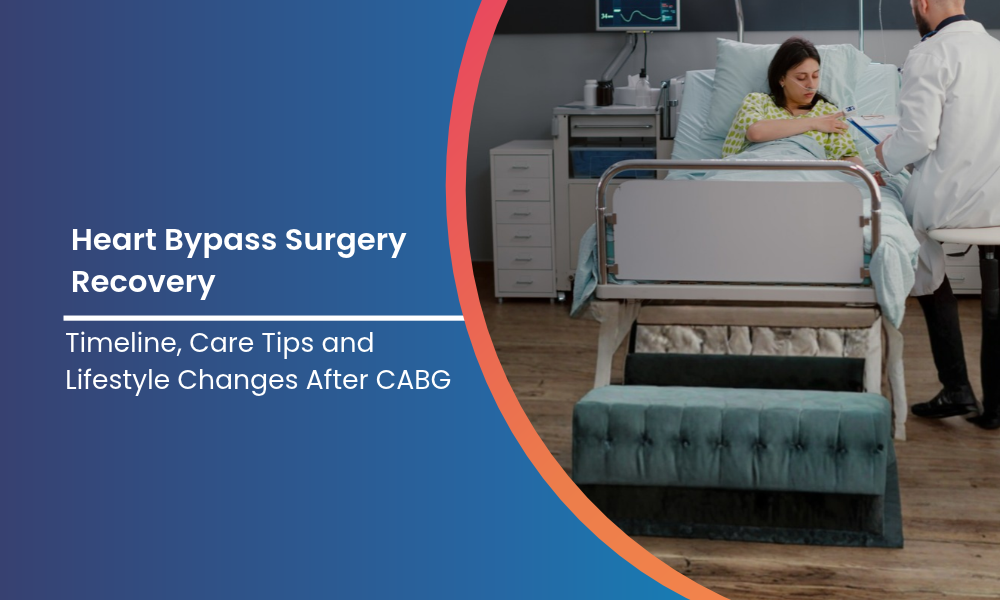
Heart Bypass Surgery Recovery Timeline and Care Tips
Overview
Heart bypass surgery can be an important step towards improving blood circulation to the heart and managing coronary artery disease. However, the procedure's success also depends on proper recovery, regular medical follow-up, and long-term lifestyle changes.
For patients returning home after coronary artery bypass grafting (CABG), recovery often brings several questions. How long will it take to regain strength? When is walking or traveling safe? What dietary changes are necessary? Which activities should be avoided after surgery?
Bypass surgery recovery involves more than healing surgical wounds. It includes rebuilding physical strength, managing cardiovascular risk factors, taking prescribed medications, and gradually returning to everyday activities.
Most patients can resume many routine activities within approximately six weeks, although complete recovery from traditional heart bypass surgery often takes two to three months. Recovery timelines vary depending on age, overall health, surgical technique, and postoperative complications.
Understanding the stages of CABG recovery can help patients and carers follow appropriate precautions and recognize symptoms that require medical attention.
This guide explains the recovery timeline after heart bypass surgery, essential heart surgery care, dietary recommendations, physical activity, and long-term lifestyle changes that support cardiovascular health.
What Is Coronary Artery Bypass Grafting (CABG)?
Coronary artery bypass grafting, commonly called heart bypass surgery, is a surgical procedure that improves blood flow to the heart muscle.
The coronary arteries supply oxygen-rich blood to the heart. When fatty deposits narrow or block these arteries, the heart may not receive enough oxygen.
CABG involves using a healthy blood vessel, usually taken from the chest, arm, or leg, to create an alternative pathway around a blocked coronary artery.
This allows blood to reach areas of the heart affected by reduced circulation.
The procedure may help relieve angina, improve symptoms, and reduce certain cardiovascular risks in appropriately selected patients.
However, bypass surgery does not eliminate the underlying coronary artery disease. Continued medical treatment and heart-healthy lifestyle habits remain necessary to reduce the risk of future cardiovascular problems.
How Long Does Recovery Take After Bypass Surgery?
Recovery time after heart bypass surgery varies from person to person.
Patients undergoing traditional open-heart surgery generally require several weeks for initial healing, while complete recovery may take approximately six to twelve weeks or longer.
First Week: Recovery in the Hospital
Following CABG, patients are usually monitored in an intensive care unit before being transferred to a regular hospital ward.
During this period, the medical team monitors heart rhythm, blood pressure, breathing, and wound healing.
Patients receive pain management, respiratory physiotherapy, and assistance with early mobilization.
Healthcare professionals generally encourage gentle movement and short supervised walks when clinically appropriate.
Weeks 1–3: Early Recovery at Home
During the initial weeks after discharge, tiredness, reduced appetite, mild incision discomfort, and disturbed sleep are common.
Patients should prioritize rest while following their prescribed walking and breathing exercises.
Family assistance may help with household activities, transportation, and medication management.
Weeks 4–6: Gradual Improvement
Many patients notice improvements in mobility and energy levels.
Walking distances may gradually increase, and some light daily activities may become easier.
However, strenuous activity and heavy lifting may still be restricted, particularly when the breastbone was divided during surgery.
Weeks 6–12: Returning to Routine Activities
During this stage, many patients progressively resume regular activities with their surgeon's approval.
Cardiac rehabilitation may help rebuild physical endurance and confidence.
Some individuals require additional recovery time because of diabetes, advanced age, other medical conditions, or postoperative complications.
Always follow the treating surgeon's instructions for your recovery timeline.
Essential Heart Surgery Care After CABG
Proper heart surgery care supports wound healing and reduces the risk of complications.
1. Take Proper Care of Surgical Wounds
Patients may have an incision on the chest and additional wounds on the arm or leg where blood vessels were collected.
Important wound-care measures include:
Keep surgical wounds clean and dry as directed in your discharge instructions.
Follow the medical team's advice regarding showering.
Avoid rubbing, scratching, or applying unprescribed creams to incision sites.
Avoid soaking wounds in baths or swimming pools until healing is confirmed.
Observe the incision for increasing redness, swelling, discharge, or separation.
Mild discomfort and temporary numbness around the incision may occur during healing.
However, increasing pain, fever, or wound discharge requires medical assessment.
2. Protect the Breastbone During Healing
During conventional open-heart bypass surgery, the breastbone, or sternum, is usually divided to allow access to the heart.
The bone requires time to heal after surgery.
Patients may be advised to avoid heavy lifting, forceful pushing or pulling, and movements that put excessive strain on the chest.
The duration and extent of restrictions depend on the surgical approach and individual healing progress.
3. Follow Breathing Exercises
Breathing exercises are an important part of recovery after surgery.
Healthcare professionals may recommend deep-breathing exercises or an incentive spirometer to encourage lung expansion.
Patients should practice these exercises as their physiotherapist instructs.
Effective pain management can also make breathing and coughing more comfortable.
Physical Activity and Exercise After Bypass Surgery
Physical activity supports circulation, muscle strength, and cardiovascular recovery.
However, returning to exercise too quickly can strain healing tissues.
Start With Gentle Walking
Walking is commonly recommended during early CABG recovery.
Patients may start with short, comfortable walks and gradually increase activity as advised by their doctor.
Walking can help improve endurance, maintain mobility, and reduce the effects of prolonged inactivity.
Patients should stop exercising and seek guidance if they experience chest discomfort, unusual breathlessness, dizziness, or palpitations.
Avoid Strenuous Exercise Initially
During early recovery, patients should avoid activities that place significant pressure on the chest or require intense physical effort.
These may include heavy weightlifting, strenuous household chores, and vigorous recreational activities.
The surgeon or cardiac rehabilitation team can determine when more demanding exercise is appropriate.
Follow a Supervised Exercise Program
Individualized exercise plans are particularly valuable for patients with diabetes, reduced heart function, or limited physical endurance.
Exercise intensity should increase gradually under appropriate medical supervision.
Why Is Cardiac Rehabilitation Important After CABG?
Cardiac rehabilitation is a structured program designed to help patients recover after heart surgery and manage long-term cardiovascular risks.
It usually involves a multidisciplinary team of healthcare professionals.
A cardiac rehabilitation program may include:
Medically supervised physical activity.
Heart-healthy nutrition education.
Blood pressure and cholesterol management.
Guidance on medication adherence.
Emotional and psychological support.
Education about recognizing cardiovascular warning signs.
Rehabilitation may begin during hospital recovery and continue through supervised outpatient or suitable home-based programs.
The American Heart Association recommends cardiac rehabilitation for eligible patients following CABG because it supports recovery and long-term cardiovascular management.
Patients should ask their cardiologist or cardiothoracic surgeon when and how to begin an appropriate program.
Diet After Heart Bypass Surgery: What Should You Eat?
Nutrition plays an important role in wound healing and long-term heart health.
A balanced dietary pattern can support cholesterol management, blood pressure control, and general cardiovascular well-being.
Choose Heart-Healthy Foods
Patients recovering from CABG should aim for a balanced diet containing:
Vegetables and fruits: Provide fiber, vitamins, minerals, and beneficial plant nutrients.
Whole grains: Oats, whole wheat, brown rice, and other whole grains provide dietary fiber.
Healthy protein sources: Pulses, beans, lentils, fish, and suitable lean protein sources support tissue repair.
Unsaturated fats: Nuts, seeds, and appropriate vegetable oils can replace some saturated fats.
Low-fat dairy products: May be included based on individual nutritional needs.
Traditional Indian meals can be adapted using dal, vegetables, whole grains, and moderate amounts of suitable cooking oils.
Limit Foods That Increase Cardiovascular Risk
Patients should reduce frequent consumption of:
Deep-fried foods.
Processed meats.
Foods high in saturated or trans fats.
Excessively salty packaged snacks.
Sugary beverages.
Highly processed foods.
Patients with diabetes, kidney disease, or heart failure may require additional dietary guidance.
Maintain Appropriate Hydration
Adequate fluid intake supports normal bodily functions and recovery.
However, some patients may have specific fluid restrictions because of heart or kidney conditions.
Follow the amount recommended by the treating doctor rather than increasing fluid intake independently.
Medicines After Heart Bypass Surgery
Medications remain an essential part of treatment after CABG.
Although surgery creates alternative pathways for blood circulation, medicines help manage the underlying cardiovascular disease.
Antiplatelet Medicines
Doctors commonly prescribe aspirin after CABG to reduce clot formation and maintain graft function.
Some patients may also require another antiplatelet medicine, depending on their medical condition and bleeding risk.
Cholesterol-Lowering Medicines
Statins are commonly prescribed to reduce LDL cholesterol and lower future cardiovascular risk.
Patients may need these medicines even when they feel well after surgery.
Blood Pressure and Heart Medications
Depending on individual needs, doctors may prescribe beta-blockers, ACE inhibitors, angiotensin receptor blockers, or other medicines.
These treatments may help manage blood pressure, heart function, and associated cardiovascular conditions.
Patients should never stop, change, or restart prescribed medicines without medical advice.
Over-the-counter painkillers and supplements should also be discussed with the healthcare team because some may interact with cardiac medicines or increase bleeding risk.
Important Lifestyle Changes After CABG
Long-term post-surgery lifestyle changes help address risk factors that contributed to coronary artery disease.
1. Stop Smoking and Avoid Tobacco
Tobacco exposure damages blood vessels and increases cardiovascular risk.
Avoiding smoking, smokeless tobacco, and second-hand smoke is an important part of secondary prevention after bypass surgery.
Patients who use tobacco can discuss suitable cessation support with their healthcare team.
2. Manage Blood Pressure and Cholesterol
High blood pressure and elevated cholesterol contribute to coronary artery disease.
Regular monitoring and adherence to prescribed treatment help reduce the risk of future cardiovascular complications.
3. Maintain Good Diabetes Control
Diabetes can affect blood vessel health and wound healing.
Patients with diabetes should follow their prescribed treatment and monitoring plan, particularly during recovery.
4. Prioritize Sleep and Stress Management
Adequate sleep helps support physical recovery.
Stress-management strategies such as relaxation exercises, counseling, and gradual participation in enjoyable activities may support emotional well-being.
Patients should avoid making major changes to their activity or treatment routine without discussing them with their medical team.
Returning to Work, Driving and Daily Activities
Resuming normal activities is an important milestone in recovery after bypass surgery.
When Can Patients Return to Work?
People with less physically demanding jobs may return after about six to eight weeks, depending on recovery and medical clearance.
Those whose work involves heavy lifting or strenuous activity may require additional time.
When Is Driving Safe?
Driving is generally restricted for several weeks following traditional CABG.
Many patients are advised to wait at least four to six weeks, although recommendations vary.
Patients should resume driving only when their doctor clears them, they are physically able to control the vehicle safely, and they comply with applicable driving requirements.
When Can Patients Travel?
Discuss travel plans with the treating surgeon, especially during the early postoperative period.
Long journeys may require additional precautions, including regular movement and attention to medication schedules.
What About Household Activities?
Light household tasks may gradually become possible as strength improves.
Restrict activities involving heavy lifting, repeated bending, or significant upper-body strain until medically approved.
Emotional Recovery After Heart Bypass Surgery
Recovery after major heart surgery involves emotional as well as physical adjustment.
Some patients experience anxiety, irritability, mood changes, sleep disturbances, or temporary difficulty concentrating.
Concerns about future health and returning to normal responsibilities are also common.
Family support, counseling, and participation in cardiac rehabilitation may help patients manage these challenges.
Persistent low mood, anxiety, or memory difficulties should be discussed with a healthcare professional rather than ignored.
Warning Signs After CABG: When Should You Seek Medical Attention?
Although most patients recover without major complications, certain symptoms require prompt evaluation.
Seek immediate emergency medical assistance if a patient experiences:
New, severe, or persistent chest pain or pressure.
Sudden or significant difficulty breathing.
Fainting or severe loss of consciousness.
Sudden facial weakness, speech difficulty, or weakness affecting one side of the body.
Severe or uncontrolled bleeding.
Contact the surgical team promptly for fever, worsening wound redness, drainage, increasing swelling, unusual palpitations, or a sudden deterioration in recovery.
New or rapidly increasing leg swelling, especially with pain or breathlessness, also requires urgent assessment.
Normal surgical discomfort should not automatically be assumed to explain new or worsening chest pain.
Follow-Up Appointments After Bypass Surgery
Regular follow-up is essential to monitor recovery and manage coronary artery disease.
Depending on individual circumstances, doctors may assess:
Wound and breastbone healing.
Blood pressure and heart rate.
Medication response and side effects.
Cholesterol and blood glucose levels.
Exercise tolerance and rehabilitation progress.
Symptoms suggesting complications.
Additional investigations may be recommended when clinically necessary.
The cardiothoracic surgery team and cardiologist work together to support postoperative recovery and long-term cardiovascular management.
Frequently Asked Questions About Heart Bypass Surgery Recovery
1. How long does it take to recover completely after bypass surgery?
Most patients require approximately six to twelve weeks to recover from traditional CABG. Some may take longer depending on age, overall health, surgical complications, and individual healing progress.
2. Is walking safe after heart bypass surgery?
Walking is generally encouraged once the medical team confirms it is safe. Patients should start slowly and gradually increase walking as directed by their prescribed rehabilitation plan.
3. What foods should be avoided after bypass surgery?
Patients should limit deep-fried foods, processed meats, excessive salt, sugary beverages, and foods high in saturated or trans fats. A balanced, heart-healthy diet supports recovery and long-term cardiovascular care.
4. Can heart problems return after bypass surgery?
Yes. CABG improves blood flow around existing blockages but does not cure coronary artery disease. New blockages or narrowing of grafts may develop over time, so medications, follow-up, and lifestyle changes are important.
5. How long does chest discomfort last after CABG?
Incision-related discomfort may continue for several weeks and usually improves gradually. However, new, worsening, or persistent chest pain should be assessed by a doctor, especially if accompanied by breathlessness or sweating.
6. When can patients climb stairs after bypass surgery?
The medical team may allow stair climbing during early recovery when the patient is stable and it is safe. Patients should move slowly, avoid overexertion, and follow individual physiotherapy instructions.
7. Is cardiac rehabilitation necessary after CABG?
Cardiac rehabilitation is strongly recommended for eligible patients. It provides supervised exercise, education, and risk-factor management to support recovery and improve long-term cardiovascular health.
8. Can patients sleep on their side after bypass surgery?
Sleeping positions depend on incision discomfort, breastbone healing, and surgical instructions. Patients should choose a comfortable position that doesn't strain the chest and follow their surgical team's advice.
9. How long should medicines continue after heart bypass surgery?
Some medicines, including certain cholesterol-lowering and antiplatelet treatments, may be needed long term. Other medicines may be adjusted during follow-up. Patients should follow their cardiologist's instructions.
10. What symptoms are dangerous after bypass surgery?
Severe chest pain, sudden breathing difficulty, fainting, stroke-like symptoms, and significant bleeding require emergency medical attention. Fever, worsening wound discharge, or new palpitations also require prompt medical evaluation.