Epilepsy and Seizures Symptoms Causes and Treatment
Overview
Epilepsy is one of the most common neurological disorders, affecting approximately 50 million people worldwide. It is a condition characterized by a continuing tendency to experience recurrent seizures caused by abnormal electrical activity in the brain. Although a seizure can be frightening for patients and their families, epilepsy can often be managed effectively with appropriate medical care.
Seizures do not always involve shaking or loss of consciousness. Some people experience brief staring spells, unusual sensations, confusion, or involuntary movements. These differences can make early seizure recognition challenging, especially when episodes are mild or occur infrequently.
According to the World Health Organization (WHO), up to 70% of people living with epilepsy could become seizure-free with appropriate diagnosis and treatment. However, timely neurological evaluation is essential to identify the condition and choose suitable treatment options.
Understanding epilepsy causes, seizure types, diagnostic procedures, and available epilepsy treatment approaches can help patients and carers make informed healthcare decisions.
This comprehensive guide explains how epilepsy affects the brain, what causes seizures, the latest approaches to neurological care, and when specialist medical attention is necessary.
What Is Epilepsy?
Epilepsy is a chronic neurological condition in which a person has an ongoing predisposition to develop epileptic seizures.
The brain contains billions of nerve cells called neurons. These cells communicate through electrical and chemical signals that control movement, memory, emotions, awareness, and other bodily functions.
During an epileptic seizure, abnormal electrical activity temporarily disrupts normal brain functioning.
The effects depend on which brain regions are involved and how widely the electrical disturbance spreads.
A person may experience involuntary movements, altered sensations, changes in consciousness, or temporary difficulty responding to their surroundings.
Is Every Seizure a Sign of Epilepsy?
Not necessarily.
A single seizure does not automatically mean someone has epilepsy. Seizures can occasionally occur because of temporary medical problems such as severe blood glucose abnormalities, certain infections, or other acute conditions.
Epilepsy is commonly diagnosed after two unprovoked seizures occurring more than 24 hours apart. However, diagnosis may also be possible after one unprovoked seizure when the assessed risk of recurrence is sufficiently high or when a recognized epilepsy syndrome is identified.
A neurologist evaluates medical history, examination findings, and investigations before making a diagnosis.
What Are the Different Types of Epileptic Seizures?
Understanding seizure classification is important because different seizure types may require different treatment approaches.
The International League Against Epilepsy (ILAE) updated its seizure classification in 2025. The four main categories are focal, generalized, unknown whether focal or generalized, and unclassified seizures.
1. Focal Seizures
Focal seizures begin in one hemisphere of the brain.
Symptoms depend on the affected brain region and whether consciousness is preserved.
Focal seizures with preserved consciousness
The individual remains aware of themselves and their surroundings.
Possible symptoms include:
Unusual smells, tastes, or sensations.
Tingling in a particular body part.
Sudden feelings of fear or familiarity.
Involuntary movements affecting one area.
Brief visual or sensory disturbances.
Focal seizures with impaired consciousness
These seizures affect awareness or responsiveness.
A person may stare, appear confused, perform repetitive movements, or respond poorly to communication.
Some focal seizures spread to both brain hemispheres and develop into bilateral tonic-clonic seizures.
2. Generalized Seizures
Generalized seizures involve electrical activity engaging networks across both sides of the brain.
Common forms include:
Tonic-clonic seizures: These may cause loss of consciousness, muscle stiffening, and rhythmic jerking movements.
Absence seizures: These typically involve brief episodes of reduced awareness that may resemble daydreaming. They are particularly recognized in children.
Myoclonic seizures: These cause sudden, brief muscle jerks.
Atonic seizures: These involve a sudden loss of muscle tone and may cause falls.
Tonic seizures: These produce sudden muscle stiffening.
3. Seizures of Unknown Origin
Sometimes clinicians cannot initially determine whether a seizure began in a focal region or involved generalized brain networks.
Further evaluation, including electroencephalography and brain imaging, may help clarify the classification.
4. Unclassified Seizures
Occasionally, an event is recognized as an epileptic seizure, but insufficient information is available to classify it accurately.
Additional observations and diagnostic assessment may help characterize future episodes.
Common Epilepsy and Seizure Symptoms
Seizure symptoms vary considerably between individuals.
Some seizures are immediately noticeable, while others may be difficult for family members to recognize.
Common symptoms include:
Sudden, unexplained loss of awareness.
Repeated staring episodes.
Involuntary muscle jerking or stiffening.
Temporary confusion.
Unusual sensations, smells, or tastes.
Repetitive movements such as lip-smacking.
Sudden loss of muscle control.
Difficulty speaking or responding temporarily.
Tiredness, headache, or confusion after a seizure.
What Are the Warning Signs Before a Seizure?
Some people experience an aura, which is itself a focal seizure and may occur before a more extensive seizure.
An aura may involve unusual smells, visual changes, abdominal sensations, or a sudden feeling of fear.
However, many seizures occur without warning.
Symptoms resembling seizures can also arise from fainting, sleep disorders, migraines, and other conditions. Therefore, professional assessment is important.
What Causes Epilepsy?
The causes of epilepsy vary according to age, medical history, genetic influences, and underlying neurological conditions.
In some patients, the exact cause remains unknown.
1. Genetic Factors
Certain epilepsy syndromes are associated with genetic changes that affect how brain cells communicate.
A family history may increase susceptibility in some forms of epilepsy, although having an affected relative does not necessarily mean someone will develop the condition.
2. Head Injuries
Significant traumatic brain injuries can damage brain tissue and increase the likelihood of seizures.
The risk depends on the injury's severity and which brain structures are affected.
3. Brain Infections
Infections involving the brain may occasionally lead to epilepsy.
Examples include meningitis, encephalitis, and neurocysticercosis, a parasitic infection that can affect the central nervous system.
4. Stroke and Brain Tumors
A stroke can interrupt blood supply to brain tissue and create changes associated with seizures.
Certain brain tumors and structural abnormalities may also produce abnormal electrical activity.
5. Developmental and Birth-Related Conditions
Some individuals develop epilepsy due to congenital brain abnormalities, genetic syndromes, or significant complications affecting brain development around birth.
6. Immune and Metabolic Disorders
Certain autoimmune conditions and metabolic disorders can affect brain function and contribute to seizure development.
Identifying an underlying cause helps neurologists determine appropriate investigations and treatment.
What Can Trigger Seizures in People With Epilepsy?
A seizure trigger is different from the underlying cause of epilepsy.
Triggers may increase seizure likelihood in someone already susceptible.
Common triggers include:
Inadequate sleep or irregular sleep patterns.
Missing prescribed antiseizure medication.
Significant emotional or physical stress.
Fever or acute illness.
Certain substances that affect the nervous system.
Hormonal changes in some individuals.
Flashing lights in people with photosensitive epilepsy.
Not everyone has identifiable triggers, and flashing lights affect only a minority of people with epilepsy.
Keeping a seizure diary may help patients and neurologists identify individual patterns.
How Is Epilepsy Diagnosed?
Accurate diagnosis is essential before beginning long-term epilepsy treatment.
A neurologist considers seizure descriptions, medical history, physical examination findings, and appropriate investigations.
Medical History and Neurological Examination
The doctor may ask about seizure frequency, duration, symptoms, potential triggers, previous medical conditions, and family history.
Witness descriptions can be particularly useful because patients may not remember events during a seizure.
Electroencephalogram (EEG)
An EEG records the brain's electrical activity using sensors placed on the scalp.
It can identify patterns that support an epilepsy diagnosis and help classify seizure types.
However, a normal EEG does not rule out epilepsy.
Magnetic Resonance Imaging (MRI)
Brain MRI helps identify structural abnormalities, including certain developmental conditions, scars, lesions, or tumors that may be associated with seizures.
Blood Tests
Blood investigations may help identify contributing medical problems, including electrolyte disturbances, glucose abnormalities, or infections.
Video EEG Monitoring
When seizure classification remains uncertain, specialists may recommend prolonged video EEG monitoring.
This combines recorded brain activity with video observations to help distinguish epileptic seizures from other events.
Specialist neurological evaluation helps ensure investigations are appropriate and not performed unnecessarily.
Epilepsy Treatment: What Are the Available Options?
The main objectives of epilepsy treatment are to control seizures, minimize medication-related adverse effects, reduce complications, and support everyday functioning.
Treatment is personalized according to seizure type, epilepsy syndrome, age, medical history, and individual needs.
1. Antiseizure Medications
Antiseizure medicines are the primary treatment for many people with epilepsy.
These medications help regulate brain electrical activity and reduce the risk of seizures.
Examples include levetiracetam, lamotrigine, carbamazepine, and other medicines selected for particular seizure types.
No single medicine suits everyone.
Neurologists consider potential adverse effects, interactions with other medications, and individual circumstances before prescribing treatment.
Patients should follow their prescribed treatment plan and never stop or change antiseizure medicines without medical supervision.
Abrupt withdrawal can increase the risk of seizures.
2. Combination Medication Therapy
Some patients continue experiencing seizures despite initial treatment.
In these situations, a neurologist may review the diagnosis, adjust treatment, or consider combining appropriate medicines.
Regular monitoring helps assess seizure control, tolerability, and overall response.
3. Epilepsy Surgery
Surgery may be considered for selected individuals whose seizures remain uncontrolled despite appropriate medication trials.
Specialist assessment helps determine whether seizures originate from a brain region that can be treated surgically without unacceptable neurological risks.
Surgical procedures may involve removing or treating the area responsible for seizure activity.
Not every patient is a candidate, and outcomes vary.
4. Vagus Nerve Stimulation
Vagus nerve stimulation (VNS) uses an implanted medical device to deliver controlled electrical impulses through the vagus nerve.
It may reduce seizure frequency in selected patients who do not achieve adequate control with medicines.
5. Other Neurostimulation Treatments
Selected specialist centers may offer responsive neurostimulation or deep brain stimulation for particular forms of difficult-to-control epilepsy.
These technologies aim to influence abnormal electrical activity through targeted stimulation.
Their suitability depends on a detailed clinical evaluation, available treatment options, and individual circumstances.
6. Ketogenic Dietary Therapy
A medically supervised ketogenic diet may help selected patients, particularly some children with drug-resistant epilepsy.
It requires careful nutritional planning and monitoring by a specialist team.
It is not an ordinary weight-loss diet and should not be attempted independently as epilepsy treatment.
For patients whose seizures remain uncontrolled after appropriate treatment, referral to a specialized epilepsy center can help determine whether advanced options may be beneficial.
What Is Drug-Resistant Epilepsy?
Drug-resistant epilepsy generally refers to epilepsy in which seizures continue despite adequate trials of two appropriately selected and tolerated antiseizure medication regimens.
Persistent seizures do not necessarily mean that no further treatment is possible.
A specialist may reassess seizure classification, medication suitability, other possible diagnoses, and eligibility for advanced treatments.
Early referral to an epilepsy specialist can help prevent unnecessary delays in further evaluation.
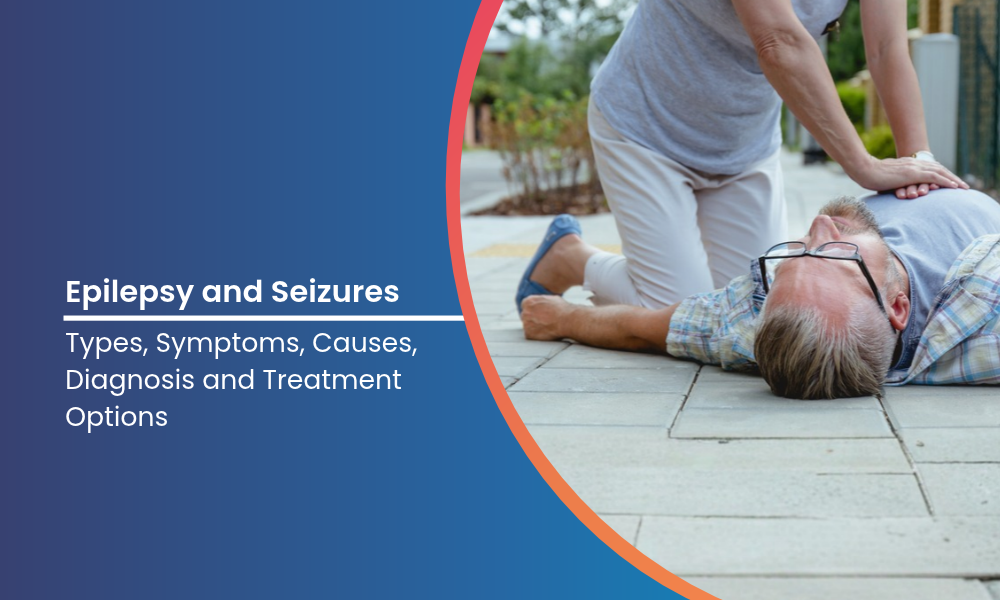
Seizure First Aid: How Can You Help Someone?
Knowing basic seizure first aid can reduce injuries and support safety until the episode ends.
If someone experiences a seizure:
Stay calm and remain nearby.
Move hazardous objects away.
Help protect their head from nearby hard surfaces.
Gently position them on their side when it is safe to do so
Note when the seizure begins and how long it lasts.
Remain with them until they recover and can respond normally.
Never restrain the person or put anything in their mouth.
Do not offer food, water, or oral medication until the individual is fully alert.
When Is a Seizure a Medical Emergency?
Seek immediate emergency assistance if:
A convulsive seizure lasts five minutes or longer.
Another seizure begins before recovery.
The person has difficulty breathing afterward.
The seizure occurs in water.
A serious injury occurs.
It is the person's first known seizure.
The affected person is pregnant or has a condition requiring urgent assessment.
Prolonged or repeated seizures without recovery may indicate status epilepticus, a serious neurological emergency requiring immediate hospital treatment.
Living With Epilepsy: Long-Term Care and Prevention
Epilepsy management involves more than controlling individual seizures.
Long-term care focuses on physical safety, emotional well-being, treatment adherence, and maintaining independence.
Useful measures include:
Following the neurologist's medication instructions.
Maintaining regular sleep patterns.
Attending scheduled neurological reviews.
Recording seizure episodes and relevant changes.
Discussing medication side effects with the treating doctor.
Taking appropriate safety precautions around swimming, bathing, heights, and machinery.
Following applicable medical and legal guidance regarding driving.
Informing trusted family members or caregivers about seizure first aid.
Patients planning pregnancy should discuss epilepsy management with their neurologist in advance because some antiseizure medications carry important reproductive risks.
People with epilepsy may also experience anxiety, memory difficulties, or emotional stress. These concerns deserve appropriate medical attention.
Good seizure control helps reduce injuries and other complications. Patients with ongoing tonic-clonic seizures should discuss individual safety risks, including sudden unexpected death in epilepsy (SUDEP), with their specialist.
Can Epilepsy Be Completely Cured?
Epilepsy outcomes vary significantly.
Some individuals achieve long-term seizure freedom with medication. Others may benefit from surgery or advanced therapies.
Certain childhood epilepsy syndromes can resolve as children grow older.
However, epilepsy does not have one universal cure.
For carefully selected patients who remain seizure-free for an extended period, neurologists may consider whether medication withdrawal is appropriate.
This decision requires an individual assessment of recurrence risk and should never be made independently.
Frequently Asked Questions About Epilepsy and Seizures
1. What are the early warning signs of epilepsy?
Early signs may include repeated staring episodes, unusual sensations, brief lapses in awareness, involuntary movements, or unexplained confusion. These symptoms require medical evaluation because several other conditions can produce similar episodes.
2. What is the most common cause of epilepsy?
No single cause is most common across all age groups. Genetic factors, brain injuries, stroke, infections, and structural brain abnormalities may contribute. In many patients, the exact cause remains unidentified.
3. What is the most effective epilepsy treatment?
Treatment effectiveness depends on seizure classification and individual circumstances. Antiseizure medications work for many patients, while some individuals may benefit from surgery, neurostimulation, or other specialist treatments.
4. Can epilepsy develop suddenly in adults?
Yes. Epilepsy can develop at any age. Adult-onset epilepsy may be associated with stroke, brain injury, tumors, infections, or other neurological changes. Sometimes no specific underlying cause is identified.
5. Are seizures and epilepsy the same condition?
No. A seizure is an episode of abnormal electrical activity in the brain. Epilepsy is a neurological condition involving an ongoing predisposition to epileptic seizures. A single provoked seizure does not necessarily indicate epilepsy.
6. Can stress trigger epileptic seizures?
Stress may contribute to seizures in susceptible individuals, particularly when accompanied by poor sleep or disrupted routines. However, stress alone does not establish a diagnosis of epilepsy, and triggers vary between patients.
7. Is epilepsy hereditary?
Some epilepsy syndromes have a genetic component. However, many people with epilepsy have no affected family members. The likelihood of inheritance depends on the specific epilepsy syndrome and underlying genetic factors.
8. Can children with epilepsy attend regular school?
Many children with epilepsy can attend regular school and participate in age-appropriate activities. Support needs depend on seizure control, associated developmental conditions, and safety considerations. A school seizure action plan may be helpful.
9. How long does epilepsy treatment continue?
Treatment duration varies. Some patients require medication for many years, while others may eventually be considered for supervised withdrawal after sustained seizure freedom. A neurologist evaluates individual recurrence risks before making this decision.
10. When should someone consult a neurologist for seizures?
Neurological assessment is recommended after a first suspected seizure, recurrent unexplained episodes, or a change in established seizure patterns. Ongoing seizures despite treatment also warrant specialist review. Emergency warning signs require immediate medical care. tumours