Diabetes Management During Festive Season
Overview
The festive season brings families together through celebrations, traditional meals, sweets, and social gatherings. Festivals such as Diwali, Dussehra, Navratri, Christmas, and New Year offer a chance to enjoy special foods and spend meaningful time with loved ones. However, for people living with diabetes, changes in daily routines and eating habits can make blood sugar management more challenging.
Festive celebrations often involve sweet dishes, fried snacks, late-night gatherings, irregular meal timings, and reduced physical activity. These changes can affect blood glucose levels, particularly for people taking insulin or blood sugar-lowering medicines.
The good news is that managing diabetes during the festive season doesn't mean avoiding every favorite food or missing celebrations. With thoughtful meal planning, appropriate physical activity, regular blood sugar monitoring, and continued medical care, people with diabetes can participate comfortably in festive activities.
Understanding how food choices, sleep, stress, and medication routines affect blood sugar can help reduce the risk of complications.
This guide explains practical diabetic diet recommendations, blood sugar control strategies, lifestyle adjustments, and important precautions for enjoying the festive season while managing diabetes.
Why Is Diabetes Management Important During the Festive Season?
Diabetes is a chronic metabolic condition in which blood glucose levels remain elevated because the body either produces insufficient insulin or cannot use insulin effectively.
Insulin is a hormone that helps glucose enter cells for energy.
The two major forms are type 1 diabetes, in which the body produces little or no insulin, and type 2 diabetes, which involves insulin resistance and, over time, inadequate insulin production.
Both require ongoing management, although their treatment approaches differ.
During festivals, changes in eating patterns, activity levels, sleep schedules, and medication timing can disrupt otherwise stable blood glucose levels.
Frequent high blood sugar can cause fatigue, increased thirst, and frequent urination. Low blood sugar can also occur, especially when people taking certain diabetes medicines miss meals or become more active than usual.
Maintaining appropriate glucose levels helps protect long-term health and reduces the risk of complications involving the heart, kidneys, nerves, and eyes.
How Do Festive Foods Affect Blood Sugar Levels?
Traditional festive foods often contain carbohydrates, which the body breaks down into glucose.
Carbohydrates are an important energy source, but the quantity and type you consume can affect how quickly blood sugar rises.
Sweets and Desserts
Popular festive foods such as laddoo, barfi, gulab jamun, jalebi, halwa, and kheer may contain substantial amounts of sugar and other carbohydrates.
Eating several sweet dishes together can raise post-meal blood glucose levels.
However, people with diabetes do not necessarily need to eliminate desserts completely. You may be able to enjoy a favorite sweet as part of an individualized meal plan.
Fried and Processed Snacks
Samosas, pakoras, namkeen, and other festive snacks may contain refined carbohydrates, salt, and substantial amounts of fat.
Regularly consuming these foods in place of balanced meals may make diabetes and cardiovascular risk management more difficult.
Sweetened Beverages
Soft drinks, packaged juices, sweetened tea, and festive beverages can add significant amounts of sugar.
Liquid carbohydrates can raise blood glucose quickly, so unsweetened drinks or water are useful everyday alternatives.
Healthy Diabetic Diet Tips for Festive Celebrations
A balanced diabetic diet focuses on adequate nutrition, appropriate carbohydrate choices, and meal patterns that fit the individual's treatment plan.
1. Maintain Regular Meal Timings
Festivals often involve delayed lunches, late dinners, and irregular schedules.
Skipping meals in anticipation of a celebration can increase the risk of low blood sugar, particularly for people using insulin or certain oral medications.
Eating balanced meals at reasonably consistent times can help keep glucose levels more predictable.
If a celebration involves a delayed meal, discuss an appropriate snack and medication plan with your healthcare professional.
2. Build Balanced Festive Meals
A simple way to plan everyday meals is the diabetes plate method.
For many adults, this involves filling approximately half the plate with non-starchy vegetables, one-quarter with protein-rich foods, and the remaining quarter with carbohydrate-containing foods.
Indian meal options may include seasonal vegetables, dal, paneer, curd, whole grains, and other foods that suit individual preferences.
The Centers for Disease Control and Prevention recommends balanced meal planning and carbohydrate awareness as useful approaches to diabetes management.
3. Choose Nutritious Carbohydrate Sources
Whole grains, legumes, vegetables, and whole fruits provide fiber and important nutrients.
You don't have to avoid carbohydrate-containing foods completely.
Pairing them with protein and fiber can help slow how quickly blood glucose rises after meals.
An individualized eating plan is especially important for people using mealtime insulin.
4. Enjoy Festive Sweets Mindfully
You can enjoy traditional desserts while staying mindful of their effect on blood sugar.
Choose a favorite sweet rather than feeling obliged to sample every dessert available.
The overall meal, carbohydrate content, medication plan, and individual glucose response matter more than labeling a food as completely allowed or forbidden.
5. Understand Sugar-Free Food Labels
Products advertised as sugar-free are not necessarily carbohydrate-free.
Some sugar-free sweets contain flour, milk solids, starches, or other ingredients that affect blood glucose.
Likewise, jaggery, honey, and dates contain sugars and should not be assumed to have no effect on blood glucose simply because they are considered natural alternatives.
Checking ingredient labels can help people make informed choices.
Blood Sugar Control Tips During Festivals
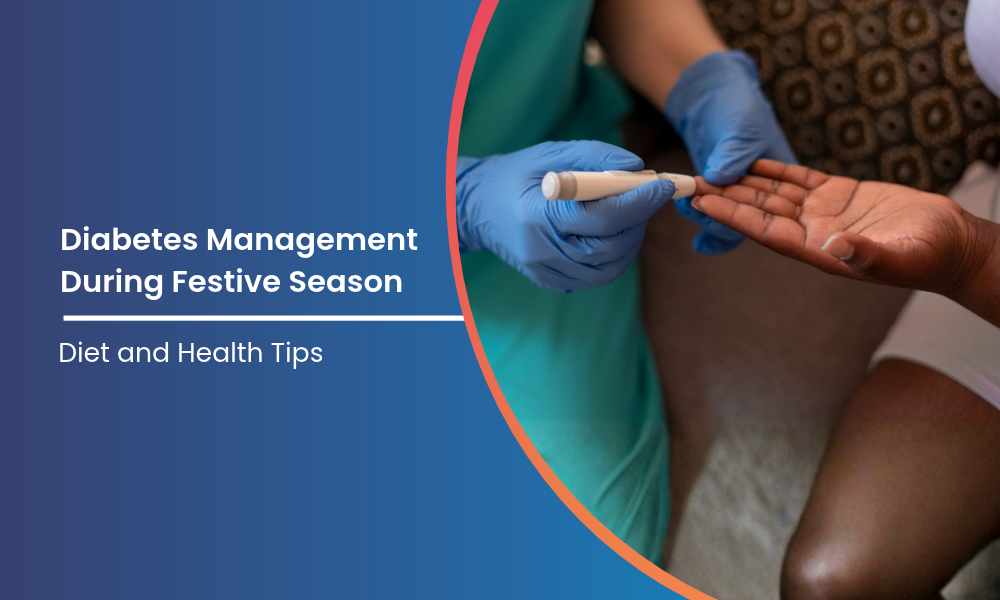
Regular monitoring is an important part of effective diabetes management, especially when daily habits change.
Monitor Blood Glucose as Recommended
People who use a glucometer or continuous glucose monitor should keep checking their levels as part of their personalized care plan.
Depending on the treatment regimen, monitoring may be recommended before meals, after meals, at bedtime, or around physical activity.
Changes in food choices, illness, stress, and sleep can affect glucose readings.
Discuss repeated readings outside the agreed target range with the diabetes care team.
Understand Individual Blood Sugar Targets
For many non-pregnant adults with diabetes, commonly used glucose targets are:
Before meals: 80–130 mg/dL.
About 2 hours after the start of a meal: Below 180 mg/dL.
These are general reference targets, not universal requirements. Appropriate goals depend on factors such as age, diabetes type, medication, pregnancy, and other medical conditions.
Children, adolescents, pregnant women, and people with certain health conditions may require different targets.
Continue Prescribed Medication
Festive schedules should not lead to missed medication doses.
People using insulin should be particularly careful about changes in meal timing and carbohydrate intake.
Do not independently increase, reduce, or stop medicines to compensate for eating festive foods.
If travel or delayed meals are expected, discuss safe adjustments with the treating clinician beforehand.
Physical Activity and Diabetes Lifestyle Management
Physical activity improves insulin sensitivity and supports cardiovascular health.
Busy festive schedules may disrupt established exercise routines, but you can still incorporate movement naturally into celebrations.
Stay Active Throughout the Day
Walking, dancing, household activities, and other enjoyable movement can add to daily activity.
A comfortable walk after meals may help improve post-meal glucose management.
Exercise should suit the person's age, fitness, health conditions, and treatment plan.
Individuals using insulin or medicines that can cause hypoglycemia may need additional glucose monitoring around physical activity.
Maintain Adequate Sleep
Late-night celebrations can reduce sleep duration and disrupt regular routines.
Insufficient sleep may affect glucose regulation, appetite, and stress responses.
A reasonably consistent sleep schedule supports overall metabolic health.
Manage Festive Stress
Shopping, traveling, hosting guests, and family responsibilities can make festive periods demanding.
Stress hormones can influence blood glucose levels.
Taking breaks, practicing relaxation techniques, and sharing responsibilities may help maintain emotional and physical well-being.
Special Diabetes Precautions During Festive Travel
Many families travel to visit relatives or attend celebrations.
People with diabetes should prepare for routine changes before leaving home.
Carry enough prescribed medicines and glucose-monitoring supplies for the journey, plus any other essentials.
Store insulin according to the manufacturer's temperature guidance, and protect it from excessive heat or freezing.
People at risk of low blood sugar should carry an appropriate fast-acting glucose source.
Long journeys, traffic delays, unfamiliar food, and changes in activity may affect glucose levels.
People travelling across time zones should discuss medication schedules with their clinician, particularly if they use insulin.
Recognizing High and Low Blood Sugar Symptoms
Festive activities can sometimes make it harder to notice early symptoms of changes in glucose.
Symptoms of High Blood Sugar
Hyperglycaemia may cause increased thirst, frequent urination, tiredness, and blurred vision.
Persistently elevated readings require medical advice, especially when accompanied by illness.
Severe hyperglycemia can become dangerous, particularly in people with type 1 diabetes.
Vomiting, abdominal pain, rapid breathing, or unusual drowsiness may indicate a serious complication requiring emergency medical care.
Symptoms of Low Blood Sugar
Hypoglycemia commonly refers to glucose below 70 mg/dL.
Possible symptoms include sweating, shaking, hunger, dizziness, palpitations, and difficulty concentrating.
People at risk should have a clinician-approved plan to recognize and treat low blood glucose.
Severe confusion, seizures, or unconsciousness require emergency assistance. Do not give food or drink by mouth to someone who cannot swallow safely.
Diabetes Management for Older Adults and People With Other Health Conditions
Older adults may have additional concerns during festive periods, including kidney disease, heart conditions, or increased sensitivity to certain medicines.
Their blood sugar targets and treatment schedules may differ from those recommended for younger adults.
Family members can help by maintaining regular meals, ensuring medicines are available, and accommodating individual dietary preferences.
Pregnant women with diabetes also require specialised glucose targets and closer medical supervision.
Personalized medical guidance remains important because no single diabetes management plan suits everyone.
When Should You Consult a Diabetes Specialist?
Consultation with a healthcare professional is advisable when glucose readings repeatedly fall outside the prescribed range, symptoms become difficult to manage, or medication schedules are disrupted.
A diabetes specialist may review glucose records, medication use, dietary patterns, and physical activity.
Depending on the individual's needs, evaluation may include HbA1c testing, kidney function assessment, blood pressure monitoring, or screening for diabetes-related complications.
HbA1c reflects average blood glucose over the previous 2 to 3 months. It can support long-term treatment decisions but does not replace monitoring of immediate glucose changes.
A registered dietitian or diabetes educator can also help develop a culturally appropriate meal plan that includes familiar foods and festive traditions.
Frequently Asked Questions About Diabetes Management During Festivals
1. Can people with diabetes eat sweets during festivals?
Yes, many people with diabetes can include occasional sweets within their individualized meal plan. The amount, carbohydrate content, and overall meal pattern influence blood glucose. People using insulin may need specific guidance on managing carbohydrates safely.
2. What is the best diabetic diet during the festive season?
A balanced diet containing vegetables, protein-rich foods, whole grains, legumes, fruits, and other nutritious foods can support diabetes management. Meal timing and carbohydrate choices should reflect individual medical needs rather than following a rigid festive diet.
3. How can I control blood sugar after festive meals?
Continue prescribed medicines, monitor glucose as advised, maintain hydration, and include suitable physical activity. Review repeated high readings with a healthcare professional rather than treating them with unplanned medication changes.
4. Is jaggery better than sugar for people with diabetes?
Jaggery contains carbohydrates that can raise blood glucose. Although its composition differs slightly from refined sugar, it is not a blood-sugar-free substitute.
5. Are sugar-free sweets safe for people with diabetes?
Sugar-free sweets may contain ingredients that affect blood glucose. Their carbohydrate content and overall nutritional composition are important. Reading labels helps you determine whether a product fits your eating plan.
6. Can skipping meals compensate for eating sweets later?
Skipping meals is generally not safe, especially for people using insulin or certain diabetes medicines. It may cause low blood sugar and disrupt glucose management. Regular, balanced meals are usually more appropriate.
7. Does walking after meals help blood sugar control?
A gentle walk after eating may help the body use glucose more effectively. However, exercise recommendations should be individualized, especially for people at risk of hypoglycemia or those with cardiovascular and mobility-related conditions.
8. Why does blood sugar increase during festivals?
Higher carbohydrate intake, irregular meal times, reduced activity, stress, poor sleep, and missed medicines can increase blood glucose. The effect varies from person to person.
9. Should diabetes medicines be increased after eating sweets?
No. Do not increase or reduce diabetes medicines without following an established medical treatment plan. Incorrect adjustments can cause dangerous glucose fluctuations, including hypoglycemia.
10. When should someone seek medical care for high blood sugar?
Repeated readings above the individual target range warrant medical advice. Severe weakness, vomiting, rapid breathing, confusion, or unusual drowsiness require urgent evaluation, particularly in people at risk of diabetic ketoacidosis.