


Non-Invasive Cardiology
Coronary Artery Disease (CAD)
Valvular Heart Disease
Cardiomyopathies
Arrhythmia Management
Heart Failure Management
Preventive Screening
Cardiac Sciences
Coronary Artery Bypass Surgery Benefits and Recovery Guide
24 Sept 2026
Overview
Coronary artery disease (CAD) is one of the most common heart conditions that affects millions of people worldwide. It occurs when the arteries supplying blood to the heart muscle become narrowed or blocked due to the buildup of fatty deposits called plaque. When blood flow to the heart is reduced, it can lead to symptoms such as chest pain, breathlessness and in severe cases, a heart attack.
For some patients with advanced coronary artery disease, medicines and lifestyle changes may not be enough to restore adequate blood supply to the heart. In such situations, doctors may recommend bypass surgery, also known as Coronary Artery Bypass Grafting (CABG).
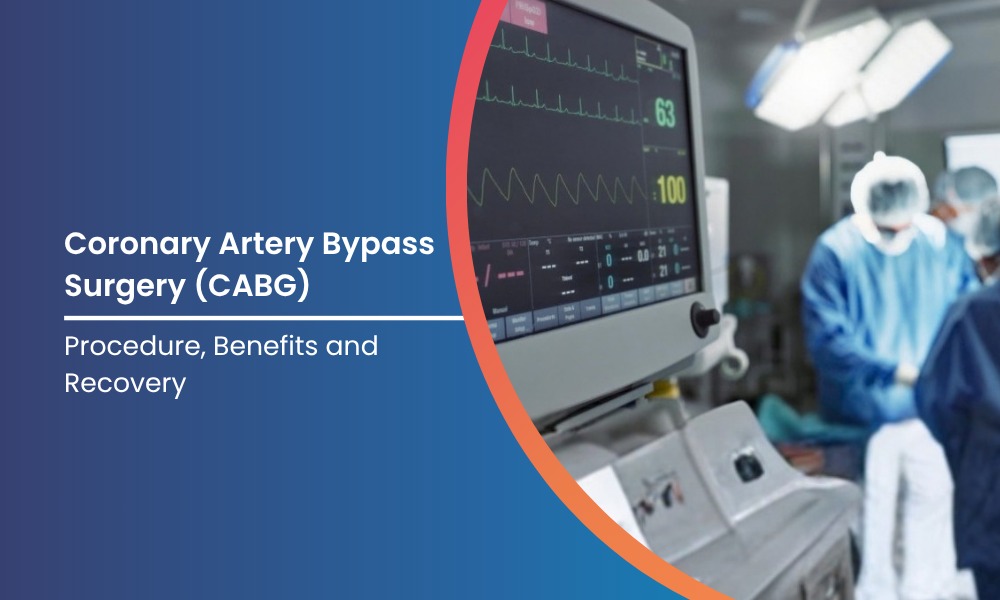
CABG surgery is a major heart procedure performed by a Cardiothoracic and Vascular Surgeon (CTVS) to create a new pathway for blood to reach the heart muscle. The procedure uses healthy blood vessels from another part of the body to bypass blocked coronary arteries.
Understanding the heart bypass procedure, its benefits, preparation, recovery process and possible risks can help patients and families make informed decisions about treatment.
What Is Coronary Artery Bypass Surgery (CABG)?
Coronary Artery Bypass Grafting (CABG) is a type of heart surgery used to improve blood flow to the heart in people with significant coronary artery blockages.
During CABG surgery, a surgeon creates a new route for blood circulation by attaching a healthy blood vessel above and below the blocked portion of a coronary artery. This allows oxygen-rich blood to bypass the blockage and reach the heart muscle.
The blood vessels used for grafting may come from areas such as:
The chest wall artery (internal mammary artery)
The arm artery (radial artery)
Veins from the leg (saphenous vein)
The choice of graft depends on factors including the patient’s health, the number and location of blockages and the surgeon’s assessment.
CABG does not remove coronary artery disease completely but helps improve blood supply to the heart and reduce symptoms caused by reduced circulation.
Why Is CABG Surgery Recommended?
Doctors may recommend bypass surgery when the coronary arteries become severely narrowed or blocked and the heart is not receiving enough blood.
CABG may be considered for patients with:
Multiple Coronary Artery Blockages
Patients with blockages in several major coronary arteries may benefit from bypass surgery, especially when blood flow cannot be adequately improved through other treatments.
Severe Narrowing of Important Heart Arteries
Some blockages affect critical arteries that supply large areas of heart muscle. In these situations, CABG may be recommended to improve circulation.
Persistent Chest Pain
Some patients continue to experience angina (chest discomfort due to reduced blood supply to the heart) despite medicines or other treatments.
Diabetes With Coronary Artery Disease
Patients with diabetes and significant coronary artery disease may sometimes benefit from CABG depending on their overall health and the extent of blockages.
Failed or Unsuitable Angioplasty
In some cases, coronary angioplasty or stent placement may not be the most suitable option due to the location or complexity of blockages.
A CTVS specialist evaluates each patient individually before recommending surgery
Understanding Coronary Artery Disease
The heart receives oxygen-rich blood through the coronary arteries. Over time, factors such as high cholesterol, high blood pressure, diabetes and smoking can contribute to plaque formation inside these arteries.
As plaque builds up, arteries may narrow, reducing blood flow to the heart.
Common symptoms of coronary artery disease include:
Chest pain or pressure
Shortness of breath
Fatigue during physical activity
Discomfort spreading to the arm, neck, jaw or back
Some people may have coronary artery disease without noticeable symptoms, making regular heart health assessments important for those at risk.
Types of CABG Surgery
The approach used for CABG surgery depends on the patient’s condition and the surgeon’s recommendation.
Traditional CABG Surgery
Traditional CABG is performed through an incision in the chest. The surgeon accesses the heart through the breastbone and may use a heart-lung machine to maintain blood circulation during the procedure.
This is one of the most commonly performed approaches for complex coronary artery disease.
Off-Pump CABG Surgery
In off-pump CABG, the surgeon performs the bypass procedure while the heart continues beating without using a heart-lung machine.
This approach may be suitable for selected patients depending on their medical condition.
Minimally Invasive CABG
Some patients may be candidates for minimally invasive techniques that use smaller incisions. Suitability depends on factors such as the number and location of blocked arteries.
The CTVS team determines the safest surgical approach after detailed evaluation
How Is CABG Surgery Performed?
A heart bypass procedure involves several important steps.
Before Surgery
Before CABG, patients undergo a detailed evaluation, which may include:
Blood tests
Electrocardiogram (ECG)
Echocardiogram
Coronary angiography
Chest imaging
The healthcare team reviews medical history, existing conditions and current medications.
Patients may receive instructions regarding:
Medicines before surgery
Diet and fasting
Smoking cessation
Preparation for hospital admission
During the Procedure
During CABG surgery:
The patient receives general anaesthesia.
The surgeon accesses the heart through the chest.
Healthy blood vessels are prepared for grafting.
The graft vessels are connected to create a new blood flow pathway around blocked arteries.
The surgical area is closed after completing the procedure.
The duration of surgery depends on the number of bypasses required and the complexity of the case.
Benefits of Coronary Artery Bypass Surgery
CABG surgery can provide several benefits for appropriately selected patients.
Improved Blood Flow to the Heart
The main goal of CABG is to improve blood flow to areas of the heart supplied by blocked arteries.
Relief From Chest Pain
Many patients experience improvement in angina symptoms after successful bypass surgery.
Improved Quality of Life
By improving blood supply and reducing symptoms, CABG may help patients return to daily activities with better comfort and confidence.
Support for Long-Term Heart Health
CABG can help manage severe coronary artery disease when combined with appropriate lifestyle changes and medical care.
Reduced Risk of Certain Heart Complications
For selected patients, CABG may reduce the risk of complications related to severe coronary artery blockages.
The expected benefits depend on individual factors, including overall health, severity of disease and adherence to follow-up care.
Risks and Possible Complications of CABG Surgery
Like all major surgeries, CABG involves certain risks. The surgical team takes precautions to reduce complications and monitor patients closely.
Possible risks may include:
Bleeding
Infection
Irregular heart rhythm
Reaction to anaesthesia
Temporary changes in kidney function
Breathing-related complications
The risk level varies depending on factors such as age, existing health conditions and the complexity of coronary artery disease.
A CTVS specialist discusses potential risks and benefits before surgery.
Recovery After Heart Bypass Surgery
Heart surgery recovery is a gradual process that involves hospital care, rehabilitation and lifestyle adjustments.
Hospital Recovery
After CABG surgery, patients are monitored in the intensive care unit initially before moving to a regular hospital room.
The medical team monitors:
Heart function
Breathing
Surgical wounds
Blood pressure
Recovery progress
The length of hospital stay varies depending on individual recovery.
Recovery at Home After CABG
After discharge, patients continue recovering at home.
Important aspects of recovery include:
Taking Medicines as Prescribed
Patients may need medicines to:
Prevent blood clots
Control blood pressure
Manage cholesterol
Support heart health
Medicines should be taken exactly as advised by the healthcare team.
Wound Care
Keeping surgical wounds clean and following care instructions helps reduce infection risks.
Patients should contact their healthcare provider if they notice unusual swelling, redness, fever or increasing discomfort.
Gradual Physical Activity
Physical activity is gradually increased under medical advice. Cardiac rehabilitation programmes can help patients safely regain strength and confidence.
Emotional Recovery
It is normal for some patients to experience emotional changes after major heart surgery. Support from family, healthcare professionals and rehabilitation teams can be helpful.
Lifestyle Changes After CABG Surgery
CABG improves blood flow but does not eliminate the underlying factors that contribute to coronary artery disease.
Long-term heart health depends on continued care.
Follow a Heart-Healthy Diet
A balanced diet may include:
More fruits and vegetables
Whole grains
Healthy sources of protein
Reduced intake of unhealthy fats and excess salt
Maintain Regular Exercise
Regular physical activity supports cardiovascular health. Exercise plans should be followed as directed by medical guidance.
Manage Health Conditions
Conditions such as:
Diabetes
High blood pressure
High cholesterol
should be monitored and managed regularly.
Avoid Smoking
Stopping smoking is one of the most important steps for protecting heart health after CABG.
Role of a CTVS Specialist in CABG Surgery
A Cardiothoracic and Vascular Surgeon specialises in the surgical treatment of conditions affecting the heart, lungs and blood vessels.
During CABG care, a CTVS specialist is responsible for:
Evaluating whether surgery is appropriate
Planning the bypass procedure
Performing the operation
Managing surgical risks
Guiding post-operative recovery
CABG requires a multidisciplinary approach involving surgeons, cardiologists, anaesthetists, nurses and rehabilitation specialists.
When Should You Consult a Heart Specialist?
You should seek medical advice if you experience symptoms such as:
Recurrent chest discomfort
Breathlessness during activity
Unexplained fatigue
Reduced ability to perform daily activities
Previous diagnosis of coronary artery disease
Early evaluation can help identify treatment options before the condition becomes more advanced.
Frequently Asked Questions About CABG Surgery
1. What is bypass surgery?
Bypass surgery is a heart procedure that creates a new pathway for blood flow around blocked coronary arteries to improve circulation to the heart muscle.
2. How long does CABG surgery take?
The duration depends on factors such as the number of bypasses required and the complexity of coronary artery disease.
3. Is CABG surgery safe?
CABG is a commonly performed heart surgery. Like all major procedures, it has risks that vary depending on individual health conditions.
4. How long does recovery after CABG take?
Heart surgery recovery varies between patients. Many people gradually return to normal activities with medical guidance and rehabilitation support.
5. What is the difference between angioplasty and CABG?
Angioplasty uses a balloon and stent to open blocked arteries, while CABG creates a new route for blood flow using graft vessels.
6. Can coronary artery disease return after bypass surgery?
New blockages can develop over time if risk factors are not managed. Regular follow-up and healthy lifestyle choices are important.
7. How long do bypass grafts last?
The durability of bypass grafts varies depending on the type of graft used, lifestyle factors and overall health.
8. Who performs CABG surgery?
CABG is performed by a Cardiothoracic and Vascular Surgeon (CTVS) with support from a specialised cardiac care team.
9. Can patients exercise after bypass surgery?
Yes, physical activity is usually encouraged gradually under medical guidance as part of recovery.
10. When is CABG recommended instead of other treatments?
CABG may be recommended when coronary artery blockages are extensive, complex or when other treatments may not provide the required benefit.


