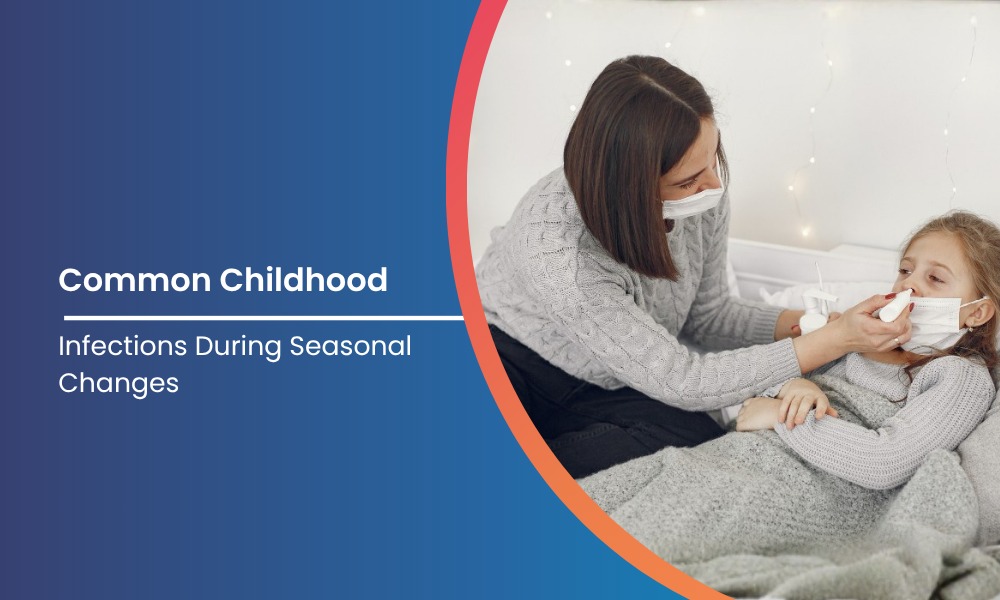
Common Childhood Infections During Seasonal Changes
Overview
Seasonal changes can affect children’s health in different ways. Changes in temperature, humidity, air quality, increased exposure in schools, and the spread of seasonal germs can contribute to a rise in common childhood illnesses.
Children are more vulnerable to infections because their immune systems are still developing, and they often have close contact with other children in schools, playgrounds, and childcare settings. Frequent exposure to viruses is a normal part of childhood, but understanding common illnesses, recognising warning signs, and knowing when to seek medical advice can help parents provide timely care.
Common childhood infections during seasonal transitions include respiratory infections, viral fevers, stomach infections, throat infections, and mosquito-borne illnesses. While many infections are mild and improve with supportive care, some children may require medical evaluation, especially infants, children with chronic health conditions, or those with persistent symptoms.
This article explains common seasonal infections in children, child fever causes, symptoms to watch for, prevention strategies, and ways to support immunity in children.
Why Children Get More Infections During Seasonal Changes
Seasonal transitions can influence the spread of infections through several factors:
Sudden temperature changes
Increased indoor crowding
Exposure to viruses at schools and daycare centres
Changes in humidity levels
Increased mosquito activity during rainy seasons
Exposure to allergens and environmental irritants
Children commonly touch their faces, share toys, and interact closely with others, making it easier for some infections to spread.
Getting occasional infections is a normal part of childhood. However, repeated or severe infections may require evaluation by a paediatric healthcare professional.
Common Childhood Infections During Seasonal Changes
1. Common Cold and Viral Respiratory Infections
Respiratory infections are among the most frequent childhood infections.
They are often caused by viruses and may spread through respiratory droplets, contaminated surfaces, and close contact.
Common symptoms include:
Runny nose
Sneezing
Cough
Mild fever
Sore throat
Reduced appetite
Tiredness
Most common viral respiratory infections improve with rest, fluids, and supportive care.
Parents should monitor children closely, especially younger children who may not be able to describe their symptoms clearly.
2. Influenza and Flu-Like Illnesses
Influenza is a respiratory infection caused by influenza viruses. Children may experience symptoms such as:
Fever
Chills
Body aches
Cough
Sore throat
Fatigue
Reduced appetite
Some children, particularly younger children or those with underlying health conditions, may have a higher risk of complications.
Vaccination according to recommended guidelines can help reduce the risk of influenza and its complications.
3. Viral Fever in Children
Fever is one of the most common reasons parents seek medical advice.
A fever itself is not an illness but a response of the immune system to an infection.
Common child fever causes include:
Viral respiratory infections
Influenza
Stomach infections
Throat infections
Mosquito-borne viral illnesses
Other bacterial or viral infections
Associated symptoms may include:
Body aches
Irritability
Poor appetite
Sleepiness
Cough or cold symptoms
Vomiting or diarrhoea
The cause of fever depends on the child's age, symptoms, examination findings, and sometimes laboratory testing.
4. Stomach Infections and Gastroenteritis
Seasonal changes can also be associated with an increase in stomach infections.
Gastroenteritis can cause:
Vomiting
Diarrhoea
Stomach pain
Fever
Reduced appetite
The main concern with vomiting and diarrhoea in children is dehydration.
Signs of dehydration may include:
Reduced urination
Dry mouth
Excessive tiredness
Sunken eyes
Increased thirst
Maintaining adequate fluid intake is an important part of managing stomach infections.
5. Throat Infections
Children may develop throat infections due to viruses or bacteria.
Symptoms may include:
Throat pain
Difficulty swallowing
Fever
Swollen glands
Reduced appetite
Many throat infections are viral and improve with supportive care. Some bacterial infections may require specific treatment after medical evaluation.
Antibiotics should only be used when prescribed by a healthcare professional.
6. Ear Infections
Ear infections can occur after respiratory infections, especially in younger children.
Possible signs include:
Ear pain
Irritability
Difficulty sleeping
Fever
Pulling or touching the ear in younger children
A doctor can examine the ear and determine whether treatment is needed.
7. Mosquito-Borne Infections
During and after rainy seasons, mosquito activity may increase.
Children can be affected by mosquito-borne illnesses such as dengue and other viral infections.
Possible symptoms may include:
Fever
Headache
Body pain
Rash
Tiredness
Reduced appetite
Parents should seek medical advice if a child has persistent fever, unusual weakness, bleeding symptoms, severe abdominal pain, or worsening condition.
Understanding Child Fever Causes
Fever is a common symptom in children and can occur due to many different reasons.
Common child fever causes include:
Viral Infections
Viruses are among the most common causes of fever in children.
Examples include:
Common cold viruses
Influenza viruses
Gastrointestinal viruses
Other seasonal viruses
Bacterial Infections
Some bacterial infections can also cause fever, including:
Ear infections
Certain throat infections
Urinary tract infections
Pneumonia
Medical evaluation helps determine whether antibiotics or other treatment are needed.
Environmental and Seasonal Factors
Seasonal changes may increase exposure to infections, but weather itself does not directly cause fever.
Instead, changes in environment can influence how easily infections spread.
Symptoms Parents Should Watch For
Children may not always be able to explain how they feel, so parents should observe changes in behaviour and activity.
Important symptoms include:
Persistent fever
Difficulty breathing
Unusual sleepiness
Reduced fluid intake
Signs of dehydration
Persistent vomiting
Severe pain
Seizures
Skin rash with fever
Child appearing significantly unwell
The severity of symptoms matters more than fever alone.
When Should You Consult a Paediatrician?
Parents should seek medical advice if:
Fever continues for several days
The child is less active than usual
The child refuses fluids
Breathing becomes difficult
Symptoms are worsening
The child has repeated infections
There are concerns about growth, nutrition, or immunity
Young infants with fever require special attention because their immune systems are still developing.
Immunity in Children: Understanding Childhood Immunity
A child’s immune system develops gradually from infancy through childhood.
Exposure to common infections helps the immune system learn to respond, but children still need protection through healthy habits and preventive care.
Supporting immunity in children involves several factors:
1. Balanced Nutrition
A nutritious diet provides the energy and nutrients needed for growth and immune function.
Important components include:
Protein
Protein supports growth, tissue repair, and immune processes.
Sources include:
Eggs
Milk and dairy products
Pulses
Beans
Fish
Meat
Nuts and seeds
Fruits and Vegetables
These provide important vitamins, minerals, and fibre.
Whole Grains
Whole grains provide energy and essential nutrients.
A balanced diet is generally more important than individual “immune-boosting” foods.
2. Adequate Sleep
Sleep plays an important role in children’s growth, development, and overall health.
Poor sleep may affect:
Energy levels
Concentration
General wellbeing
Parents can support healthy sleep by maintaining consistent routines.
3. Regular Physical Activity
Age-appropriate physical activity supports overall health.
Outdoor play, movement, and active routines can contribute to physical and emotional wellbeing.
4. Vaccination
Vaccinations are an important part of protecting children from several preventable infections.
Parents should follow vaccination schedules recommended by healthcare professionals and discuss any questions with their child’s doctor.
5. Hand Hygiene
Handwashing is one of the simplest ways to reduce infection spread.
Children should be encouraged to wash hands:
Before eating
After using the toilet
After coughing or sneezing
After playing outdoors
After returning home from school
Preventing Seasonal Infections in Children
Parents can reduce infection risk through practical daily habits.
Encourage Good Hygiene
Teach children:
Not to share personal items unnecessarily
To cover coughs and sneezes
To wash hands regularly
To avoid touching their face frequently
Maintain Clean Surroundings
Regular cleaning of frequently touched surfaces can help reduce exposure to germs.
Important areas include:
Toys
Study tables
Door handles
Electronic devices
Ensure Safe Food and Water
Safe food and drinking water practices are especially important during seasons with increased infection risk.
Helpful measures include:
Washing fruits and vegetables
Cooking food properly
Storing food safely
Providing clean drinking water
Protect Against Mosquitoes
During mosquito seasons:
Remove standing water around the home
Use appropriate mosquito protection
Keep surroundings clean
Managing a Sick Child at Home
When a child is unwell, supportive care can help comfort and recovery.
General measures include:
Ensuring adequate fluids
Encouraging rest
Offering nutritious foods as tolerated
Monitoring temperature
Observing changes in behaviour
Parents should avoid giving medicines without appropriate guidance, especially antibiotics or medications not recommended for children.
Common Myths About Childhood Infections
Myth 1: Every Fever Requires Antibiotics
Many childhood fevers are caused by viruses, and antibiotics do not treat viral infections.
Myth 2: Frequent Colds Mean Weak Immunity
Young children often experience multiple infections because their immune systems are still developing and they are exposed to new viruses.
Myth 3: Keeping Children Completely Away From Others Prevents All Infections
Social interaction is important for development. The goal is healthy habits and appropriate precautions rather than complete isolation.
Myth 4: Fever Is Always Dangerous
Fever is often a natural immune response. The child’s overall condition and symptoms are important factors when deciding whether medical advice is needed.
Frequently Asked Questions About Childhood Infections
1. What are common childhood infections during seasonal changes?
Common infections include colds, viral fever, flu-like illnesses, stomach infections, throat infections, ear infections, and mosquito-borne illnesses.
2. What are common child fever causes?
Child fever causes may include viral infections, bacterial infections, respiratory illnesses, stomach infections, and mosquito-borne infections.
3. How can I improve immunity in children?
Supporting immunity involves balanced nutrition, adequate sleep, physical activity, vaccinations, hygiene, and regular healthcare.
4. When should I worry about my child’s fever?
Seek medical advice if fever is persistent, the child appears very unwell, has breathing difficulty, dehydration signs, seizures, severe pain, or other concerning symptoms.
5. Are frequent infections normal in children?
Many children experience frequent mild infections, especially during early childhood. However, severe, unusual, or persistent infections should be evaluated.
6. Should antibiotics be given for every childhood infection?
No. Antibiotics treat bacterial infections and should only be used when prescribed by a healthcare professional.
7. How can seasonal infections be prevented?
Hand hygiene, vaccinations, safe food and water practices, good nutrition, and reducing exposure to known triggers can help.
8. Can weather changes directly cause fever?
Weather changes do not directly cause fever. However, seasonal conditions can influence the spread of infections that may lead to fever.
9. How much fluid should a sick child drink?
Fluid needs vary depending on age, weight, illness severity, and symptoms. Parents should encourage regular fluids and seek medical advice if dehydration is suspected.
10. When should I see a paediatrician?
Consult a paediatrician when symptoms are persistent, worsening, unusual, or affecting the child’s normal activities.