


Non-Invasive Cardiology
Coronary Artery Disease (CAD)
Valvular Heart Disease
Cardiomyopathies
Arrhythmia Management
Heart Failure Management
Preventive Screening
Cardiac Sciences
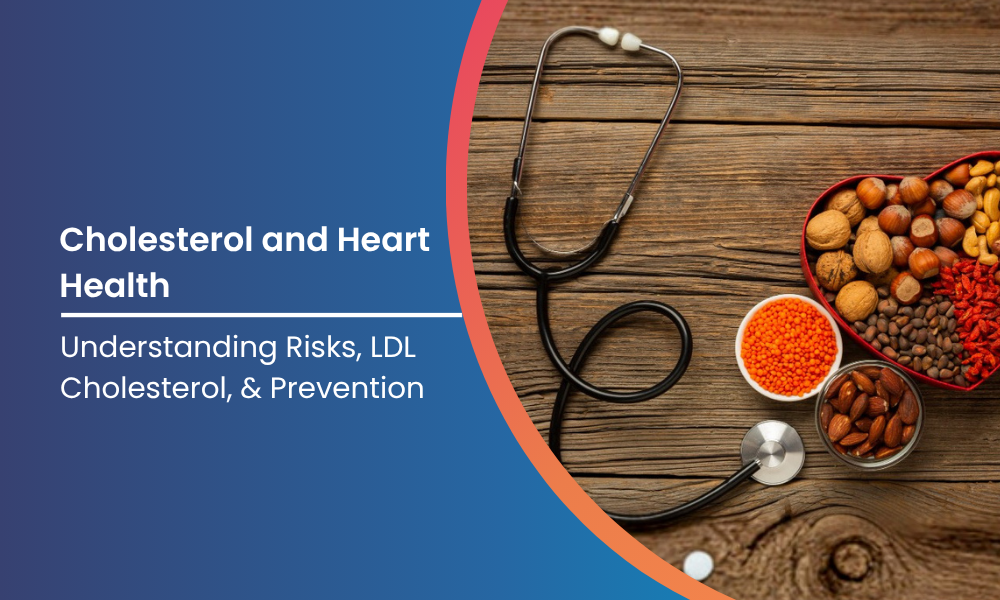
Cholesterol and Heart Health Risks Causes and Prevention
10 Sept 2026
Overview
Heart health is influenced by several interconnected factors, and cholesterol plays a significant role in determining an individual’s risk of developing cardiovascular disease. While cholesterol is often associated with health problems, it is important to understand that cholesterol itself is essential for normal body functions. The body uses cholesterol to build cells, produce hormones, and support other important biological processes.
The concern arises when cholesterol levels become unbalanced, particularly when low-density lipoprotein (LDL) cholesterol levels become elevated. Excess LDL cholesterol can contribute to plaque formation inside arteries, which may increase the risk of heart-related complications over time.
High cholesterol is often difficult to identify because it usually does not cause noticeable symptoms in the early stages. Many individuals discover they have abnormal cholesterol levels only after routine blood testing. This makes regular screening, awareness of cardiac risk factors, and preventive healthcare an important part of maintaining long-term cardiovascular wellness.
Understanding cholesterol, its relationship with heart disease, and available preventive and treatment approaches can help individuals make informed decisions about their health. Modern cardiology care combines lifestyle management, advanced diagnostics, medical therapies, and specialized services such as Non Invasive Cardiology, Interventional Cardiology, Cardiothoracic and Vascular Surgery (CTVS), and Cardiac Anaesthesia to provide comprehensive cardiovascular support.
What Is Cholesterol?
Cholesterol is a lipid (fat-like substance) that is naturally produced by the liver and found throughout the body. Since cholesterol cannot travel independently through the bloodstream, it is transported by proteins called lipoproteins.
The two primary types of cholesterol are:
Low-density lipoprotein (LDL) cholesterol
High-density lipoprotein (HDL) cholesterol
Maintaining a healthy balance between different cholesterol levels is important for cardiovascular health.
LDL Cholesterol: The “Bad” Cholesterol
LDL cholesterol is commonly known as “bad cholesterol” because high levels can contribute to the development of fatty deposits within artery walls.
Over time, increased LDL cholesterol may lead to:
Plaque buildup inside arteries
Reduced blood flow
Narrowing of blood vessels
Increased cardiovascular risk
Elevated LDL cholesterol is considered one of the important cardiac risk factors because it is associated with a higher likelihood of developing atherosclerosis, a condition where arteries become hardened or narrowed due to plaque accumulation.
HDL Cholesterol: The “Good” Cholesterol
HDL cholesterol is often called “good cholesterol” because it helps transport excess cholesterol away from tissues and back to the liver for processing.
A healthy cholesterol profile involves maintaining appropriate levels of LDL cholesterol, HDL cholesterol, and triglycerides along with managing other cardiovascular risk factors.
How Does High Cholesterol Affect Heart Health?
High cholesterol does not usually cause immediate symptoms. Instead, it can gradually affect blood vessels over time.
When LDL cholesterol accumulates in artery walls, plaque may develop. This process can affect the flexibility and function of arteries and may interfere with normal circulation.
Cholesterol-related artery changes may increase the risk of conditions such as:
Coronary artery disease
Reduced blood supply to the heart
Heart-related complications
The effect of cholesterol on heart health varies from person to person. Doctors consider multiple factors, including age, genetics, lifestyle habits, existing medical conditions, and overall cardiovascular risk.
A comprehensive heart evaluation may involve different areas of cardiology. Non Invasive Cardiology focuses on diagnostic assessment through techniques such as echocardiography, cardiac imaging, and stress testing to understand heart structure and function without surgical procedures.
High Cholesterol Symptoms: Why Early Detection Matters
One of the most important facts about high cholesterol is that it usually does not produce clear warning signs.
A person may have elevated cholesterol levels for many years without experiencing discomfort or noticeable changes. This is why cholesterol screening through blood tests is important, especially for individuals with increased cardiovascular risk.
Although high cholesterol itself may not cause symptoms, cholesterol-related heart conditions may produce symptoms such as:
Chest discomfort
Shortness of breath
Reduced exercise tolerance
Unusual fatigue
These symptoms can have several possible causes and should be evaluated by a healthcare professional.
Individuals should consider medical advice if they have:
A family history of heart disease
Previously detected high cholesterol
High blood pressure
Diabetes
Smoking history
Other cardiac risk factors
Causes and Risk Factors Associated With High Cholesterol
Cholesterol levels are influenced by several factors, including lifestyle, genetics, and overall health conditions.
Unhealthy Dietary Patterns
Diet has an important role in cholesterol management. Frequent intake of foods high in saturated fats and trans fats may contribute to increased LDL cholesterol levels.
A heart-supportive eating pattern generally includes:
Vegetables and fruits
Whole grains
Lean protein sources
Healthy fats
Adequate dietary fiber
Lack of Physical Activity
Regular physical activity supports cardiovascular health by improving fitness, supporting weight management, and contributing to healthier cholesterol levels.
A sedentary lifestyle may increase the likelihood of developing multiple cardiovascular risk factors.
Excess Weight
Being overweight or having obesity can affect cholesterol balance and increase the risk of conditions associated with heart disease.
Smoking and Tobacco Exposure
Smoking negatively affects blood vessels and increases cardiovascular risk. Avoiding tobacco is an important part of heart disease prevention.
Genetics and Family History
Some individuals inherit genetic conditions that affect cholesterol levels. A family history of high cholesterol or early heart disease may indicate the need for closer monitoring.
Age and Medical Conditions
The risk of cholesterol-related heart disease may increase with age. Conditions such as diabetes, hypertension, and metabolic disorders can further influence cardiovascular risk.
Understanding Cardiac Risk Factors
Cholesterol is one important factor among many that influence heart health. Doctors evaluate overall cardiovascular risk by considering multiple factors together.
Common cardiac risk factors include:
High LDL cholesterol
Low HDL cholesterol
High blood pressure
Diabetes
Smoking
Family history of heart disease
Physical inactivity
Unhealthy diet
Increasing age
Managing these risk factors together provides a more complete approach to heart disease prevention.
Diagnosis of High Cholesterol
Medical Evaluation
A healthcare professional evaluates cholesterol-related risks through:
Personal medical history
Family history
Lifestyle assessment
Existing health conditions
Medication review
This information helps determine an appropriate prevention or treatment approach.
Lipid Profile Test
A lipid profile is a blood test used to measure cholesterol levels. It commonly evaluates:
Total cholesterol
LDL cholesterol
HDL cholesterol
Triglycerides
Test results are interpreted along with other health information rather than being considered separately.
Advanced Cardiac Assessment
Depending on individual needs, specialists may recommend additional heart evaluations.
Non Invasive Cardiology provides important diagnostic support through tests that evaluate heart function, blood flow, and structural changes.
When advanced treatment is required, Interventional Cardiology offers specialized procedures that help diagnose and manage certain cardiovascular conditions using minimally invasive techniques.
Treatment Options for High Cholesterol
Treatment for high cholesterol depends on cholesterol levels, overall cardiovascular risk, medical history, and individual health requirements.
Lifestyle Changes
Lifestyle modification is often the foundation of cholesterol management.
Heart-Healthy Nutrition
A balanced diet can support healthier cholesterol levels by focusing on nutrient-rich foods and limiting unhealthy fats.
Physical Activity
Regular exercise supports heart health, circulation, and overall wellness. The appropriate activity level depends on individual health conditions.
Weight Management
Maintaining a healthy weight can reduce strain on the cardiovascular system and support cholesterol control.
Tobacco Avoidance
Avoiding tobacco helps protect blood vessels and reduce cardiovascular risk.
Medications for Cholesterol Management
Some individuals may require cholesterol-lowering medications along with lifestyle changes.
Medication recommendations depend on factors such as:
LDL cholesterol levels
Overall heart disease risk
Existing cardiovascular conditions
Medical history
A healthcare professional determines the most appropriate treatment approach and monitors progress over time.
Role of Advanced Cardiac Specialties in Heart Care
Modern heart care involves collaboration between multiple specialties to provide complete cardiovascular management.
Non Invasive Cardiology
Non Invasive Cardiology focuses on evaluating heart health through diagnostic methods without surgical procedures. It plays an important role in identifying cardiovascular concerns early and monitoring disease progression.
Interventional Cardiology
Interventional Cardiology focuses on minimally invasive procedures used for diagnosing and treating certain heart and blood vessel conditions. These procedures are performed based on individual patient evaluation and clinical requirements.
Cardiothoracic and Vascular Surgery (CTVS)
For patients with complex cardiovascular conditions requiring surgery, Cardiothoracic and Vascular Surgery (CTVS) provides specialized surgical management for conditions affecting the heart, chest structures, and major blood vessels.
Cardiac Anaesthesia
During complex heart procedures, Cardiac Anaesthesia plays an essential role in patient care. Cardiac anaesthesia specialists manage anaesthesia, monitor vital functions, and support patients before, during, and after cardiac surgeries.
Preventive Cardiology: Protecting Heart Health Before Problems Develop
Preventive cardiology focuses on identifying risks early and reducing the chances of future cardiovascular complications.
Preventive heart care may include:
Regular cholesterol screening
Blood pressure monitoring
Diabetes management
Lifestyle counselling
Risk assessment
Personalized preventive strategies
A multidisciplinary approach involving cardiologists, diagnostic specialists, surgeons, and anaesthesia teams helps provide comprehensive heart care.
When Should You Consult a Cardiologist?
A cardiology consultation may be beneficial for individuals who:
Have high cholesterol levels
Have multiple cardiac risk factors
Experience possible heart-related symptoms
Have a family history of cardiovascular disease
Need guidance on heart disease prevention
A cardiologist can evaluate overall cardiovascular risk and recommend appropriate investigations or management strategies.
Emergency Warning Signs Related to Heart Health
Certain symptoms require urgent medical evaluation, including:
Sudden chest discomfort or pressure
Severe shortness of breath
Fainting
Sudden weakness or concerning new symptoms
Immediate medical attention should be sought when serious heart-related symptoms occur.
Long-Term Cholesterol Management and Follow-Up
Managing cholesterol is a continuous process. Regular follow-up helps monitor cholesterol levels, assess cardiovascular risk, and adjust treatment when necessary.
Long-term management may include:
Periodic lipid testing
Healthy lifestyle habits
Medication monitoring when required
Management of other cardiac risk factors
Consistent preventive care can support better cardiovascular health throughout life.
Frequently Asked Questions (FAQs)
1. What is the relationship between cholesterol and heart disease?
High levels of LDL cholesterol may contribute to plaque buildup in arteries, increasing the risk of cardiovascular disease.
2. What are the symptoms of high cholesterol?
High cholesterol usually does not cause symptoms. It is commonly detected through blood tests.
3. Why is LDL cholesterol important?
LDL cholesterol is important because elevated levels can contribute to artery plaque formation and increase heart disease risk.
4. How is high cholesterol diagnosed?
High cholesterol is diagnosed through a lipid profile blood test that measures cholesterol and triglyceride levels.
5. Can lifestyle changes improve cholesterol levels?
Yes. Healthy eating, physical activity, weight management, and avoiding tobacco can support cholesterol control.
6. Does everyone with high cholesterol need medication?
Treatment depends on individual cholesterol levels, overall cardiovascular risk, and medical history.
7. What is the role of Non Invasive Cardiology?
Non Invasive Cardiology helps evaluate heart health through diagnostic tests without surgical procedures.
8. What does Interventional Cardiology treat?
Interventional Cardiology manages certain heart and blood vessel conditions through minimally invasive procedures.
9. When is Cardiothoracic and Vascular Surgery (CTVS) required?
Cardiothoracic and Vascular Surgery (CTVS) may be considered for complex heart, chest, and blood vessel conditions requiring surgical management.
10. Why is Cardiac Anaesthesia important?
Cardiac Anaesthesia supports patient safety during heart procedures by managing anaesthesia and monitoring vital functions.