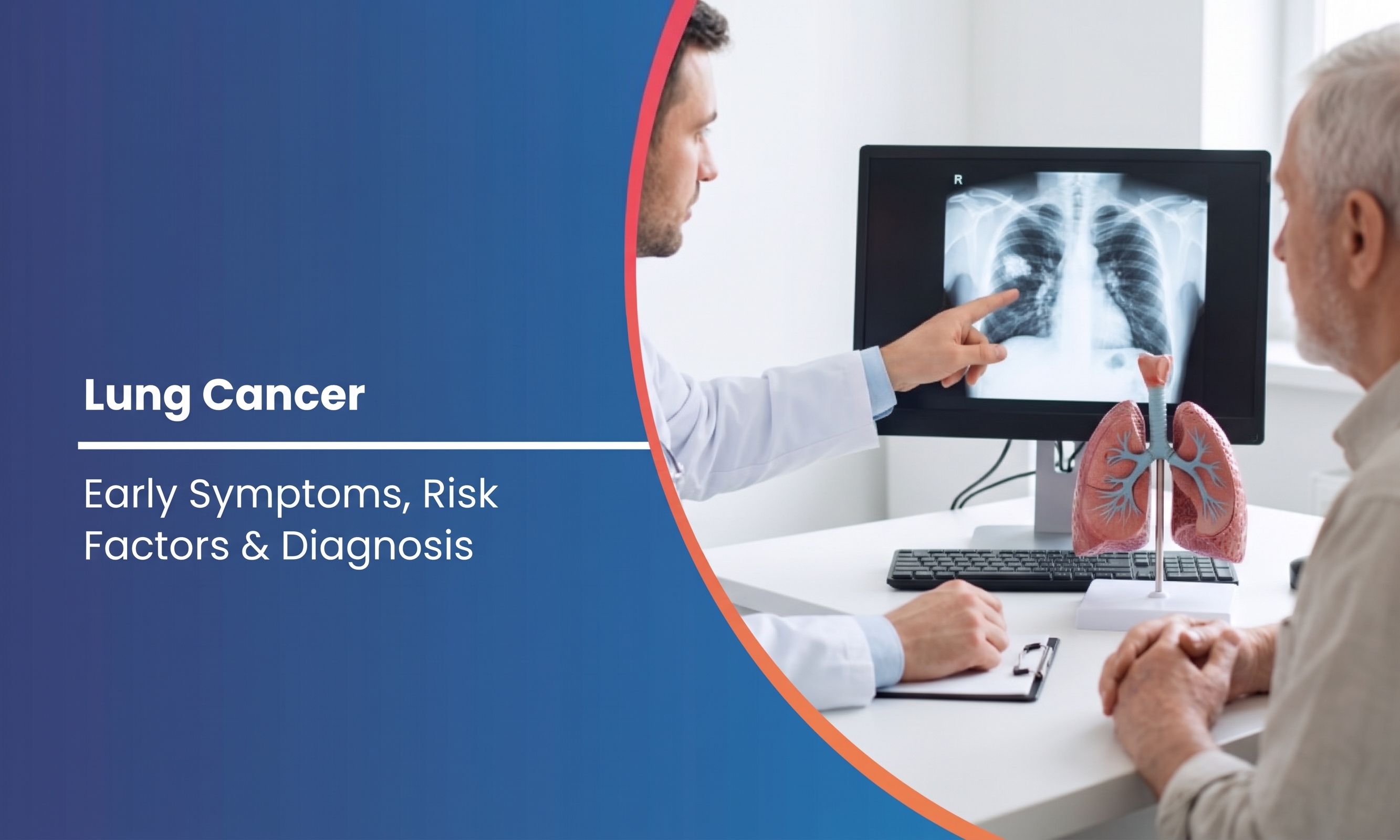
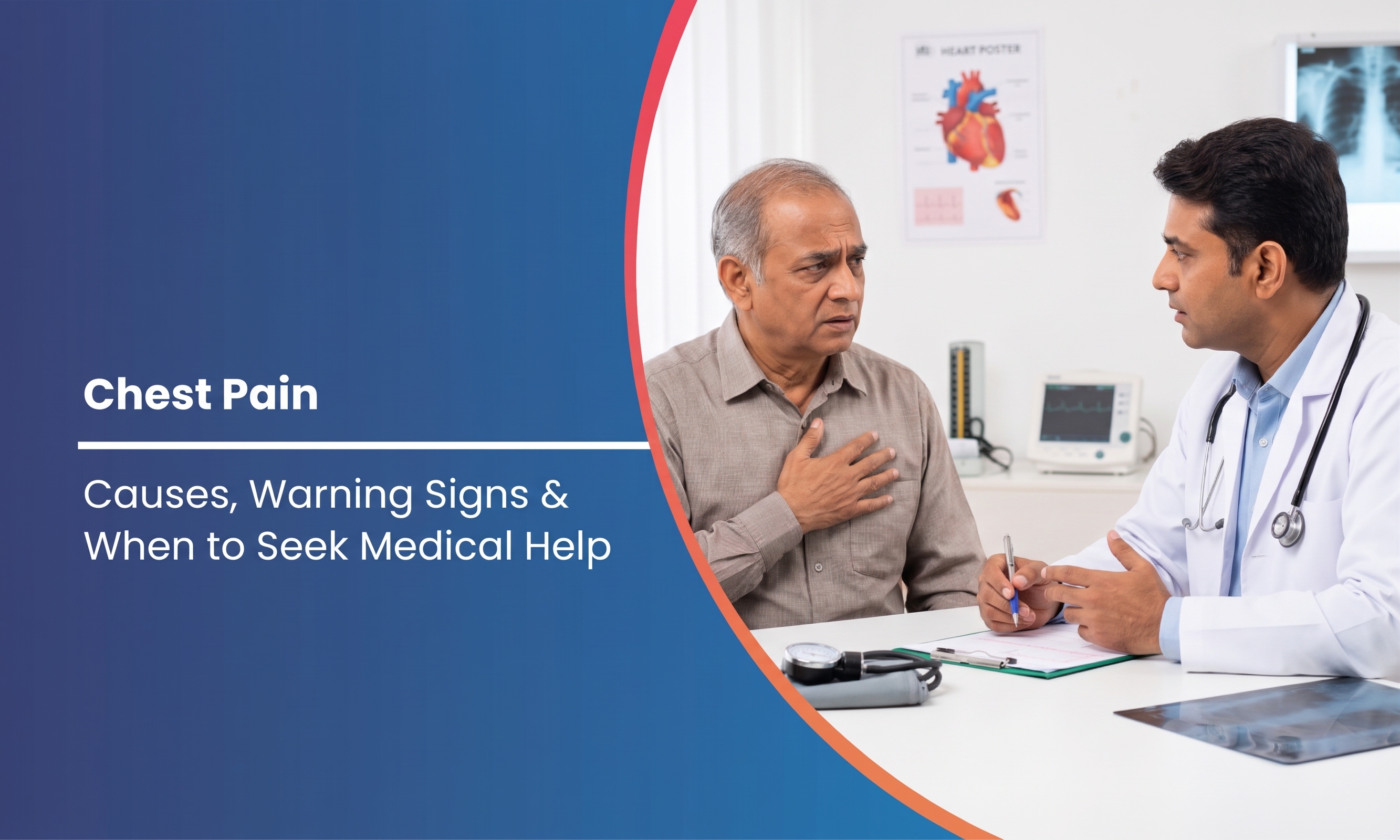
Chest Pain Causes, Warning Signs and When to Seek Medical Help
Overview
Sudden chest pressure, tightness or discomfort that persists or occurs with breathlessness, sweating, nausea or faintness needs emergency medical attention. Call your local emergency service and request an ambulance. Do not drive yourself or wait to see whether a home remedy helps.
Chest pain can be frightening, especially when you don't know whether it comes from your heart, lungs, digestive system, or chest muscles. Sometimes it follows a heavy meal or strenuous activity. In other cases, it develops unexpectedly while you are resting.
Chest pain has many causes, and symptoms often overlap. A burning sensation may come from acid reflux, but a heart attack can also feel like indigestion. Sharp pain may arise from the chest wall but can also occur with serious lung or heart conditions.
Understanding possible causes can help you describe your symptoms and recognise warning signs. It cannot reliably establish the diagnosis at home. Medical assessment is essential when pain is new, unexplained, persistent or associated with concerning symptoms.
What Can Chest Pain Feel Like?
Chest pain symptoms vary considerably. People may describe pressure, heaviness, squeezing, burning, aching or a sharp stabbing sensation. Some experience discomfort rather than pain.
The sensation may stay in one place or spread to the shoulders, arms, neck, jaw, back, or upper abdomen. Heart-related symptoms can also include breathlessness and fatigue.
This is why the phrase “heart pain” can be misleading: heart pain does not always occur directly from the heart. Equally, pain on the left side of the chest does not automatically mean the heart is responsible.
Doctors consider the full picture: how symptoms began, their pattern, associated symptoms, examination findings,ings and test results. Location or severity alone cannot safely distinguish a cardiac emergency from another cause.
Cardiac Emergency Signs: When to Act Immediately
Seek emergency help for new or unexplained chest discomfort that:
Feels like pressure, squeezing, tightness or heaviness
Persists, returns repeatedly or occurs at rest
Spreads to one or both arms, the jaw, neck, back or upper abdomen
Occurs with sweating, nausea, breathlessness or lightheadedness
Is accompanied by collapse or loss of consciousness
A heart attack does not always begin with overwhelming pain. Symptoms may start gradually or come and go. Do not wait for the pain to become severe before seeking help.
Sudden severe chest or back pain also requires emergency assessment because conditions involving the lungs or major blood vessels can be life-threatening.
If symptoms occur, a routine cardiology appointment can substitute for emergency care.
Heart-Related Chest Pain Causes
1. Angina
Angina occurs when the heart muscle does not receive enough oxygen-rich blood. It commonly relates to coronary artery disease.
Stable angina often follows a recognisable pattern, such as discomfort during walking, climbing stairs or emotional stress. It may improve with rest or prescribed medication.
However, new chest discomfort during activity still needs prompt assessment, even if it stops when you rest. Improvement does not prove that the problem is harmless.
If someone with diagnosed angina develops pain that is more frequent, occurs with less exertion, happens at rest or differs from their usual pattern, urgent reassessment is needed. Persistent symptoms or associated warning signs require emergency help.
2. Heart attack
A heart attack occurs when blood flow to part of the heart muscle becomes severely reduced or blocked, causing injury.
Symptoms can include chest pressure, discomfort spreading elsewhere, breathlessness, sweating, nausea or weakness. Some people describe burning or an indigestion-like sensation.
Symptoms may overlap with angina,gina but a suspected heart attack requires immediate hospital assessment. You cannot safely distinguish the two by timing the pain or comparing it with someone else’s experience.
Prompt treatment aims to restore blood flow and limit heart muscle damage.
3. Pericarditis
Pericarditis is inflammation of the sac surrounding the heart. It can cause sharp chest pain that worsens with deep breathing or lying down.
Because its symptoms can resemble other serious conditions, suspected pericarditis needs medical assessment. A sharp or position-related pain should not automatically be labelled muscular.
Treatment depends on the cause and the evaluation findings.
Other Serious Causes of Chest Pain
A chest pain assessment considers emergencies beyond a heart attack.
Pulmonary embolism
A pulmonary embolism occurs when a blood clot blocks a blood vessel in the lungs. Symptoms may include sudden breathlessness, pain that worsens with breathing and coughing up blood.
Some people also have pain or swelling in one leg. These symptoms need urgent assessment. Sudden breathing difficulty, chest pain, a very fast heartbeat or collapse warrants emergency care.
Aortic dissection
The aorta is the main artery carrying blood from the heart. An aortic dissection involves a tear within its wall.
It can cause abrupt, severe chest or back pain, sometimes described as tearing or ripping. However, the absence of that description does not rule it out.
This is a medical emergency requiring immediate specialist care.
Pneumothorax
A pneumothorax occurs when air collects between the lung and chest wall, causing the lung to collapse partially or completely.
It can produce sudden chest pain and breathlessness. Pain may be sharp and worse with breathing or coughing. Seek medical assessment promptly, especially if breathing is affected.
Common Non-Cardiac Chest Pain Causes
Many episodes of chest pain come from causes outside the heart. Identifying these causes still requires appropriate assessment.
Acid reflux and oesophageal problems
Acid reflux occurs when stomach contents move back into the oesophagus, the tube connecting the mouth and stomach. It can cause burning behind the breastbone, regurgitation or a sour taste.
Symptoms may occur after meals or when lying down. However, meal-related discomfort and burning are not reliable ways to rule out a heart problem.
Seek urgent care when suspected “acidity” is new or accompanied by breathlessness, sweating, faintness or spreading discomfort.
Chest wall pain and costochondritis
Muscle strain or inflammation around the joints connecting the ribs to the breastbone can cause chest pain. Costochondritis causes sharp discomfort that worsens with movement, deep breathing, coughing, or pressure over the area.
These features can suggest a chest wall cause,ause but tenderness alone does not establish the diagnosis. Unexplained or persistent pain should be checked before starting treatment yourself.
Respiratory infections and pleurisy
Chest infections can cause pain with coughing, fever, and phlegm. Inflammation of the lining around the lungs, called pleurisy, may cause pain with breathing.
Breathing-related pain deserves assessment because infection is only one possible explanation.
Anxiety and panic attacks
Panic attacks can cause chest discomfort, palpitations, sweating, dizziness and breathlessness. These symptoms are real and can feel intense.
However, new chest pain should not be attributed to anxiety without considering physical causes. A previous panic attack does not guarantee that a later episode will have the same explanation.
Do Heart Attack Symptoms Differ Between People?
Chest discomfort is the most common heart attack symptom in both women and men. Women may also experience breathlessness, nausea, unusual tiredness or discomfort in the back, shoulder or arm.
Some older adults and people with diabetes may have little or no obvious chest pain. A sudden unexplained change in breathing, weakness or general wellbeing may therefore need urgent attention.
These differences do not mean that every episode of fatigue signals a heart attack. They mean that the absence of dramatic chest pain can reassure you when other concerning symptoms are present.
What Should You Do While Waiting for Help?
If a heart attack or another emergency is suspected:
Stop activity and rest in a comfortable position.
Call emergency services and clearly describe the symptoms.
Avoid driving yourself.
Follow the emergency dispatcher’s instructions.
If possible, keep someone with the affected person.
Tell the dispatcher about prescribed heart medicines and follow advice about taking them. Ask about aspirin rather than delaying the emergency call to find it or taking someone else’s medication.
If the person becomes unresponsive and is not breathing normally, follow dispatcher instructions for CPR. Use an automated external defibrillator if one is available and follow its prompts.
Do not wait for a blood pressure monitor, smartwatch reading,ding or home oxygen measurement before calling.
How Do Doctors Investigate Chest Pain?
Assessment begins by checking for immediate danger. Doctors assess danger. Doctors select tests based on the suspected cause rather than orderingthan ordering the same tests for every patient.
Clinical history and examination
The team will ask when symptoms started, what they feel like, whether they spread, and what you were doing when they began. They may check blood pressure, pulse, breathing, temperature and oxygen levels.
Mention previous heart or lung disease, recent illnesses, operations, medicines and relevant family history. If possible, describe symptoms in your own words rather than naming the diagnosis.
Electrocardiogram
An electrocardiogram, or ECG, records the heart’s electrical activity. It can identify changes associated with a heart attack and other conditions.
Guidelines recommend obtaining an ECG promptly in acute chest pain. A single normal ECG does not rule out a heart attack. Repeat recordings may be needed when symptoms continue, or clinical suspicion remains.
Troponin blood tests
Troponin is a protein released into the blood when heart muscle is injured. High-sensitivity troponin tests help assess suspected heart attacks.
Results must be interpreted alongside symptoms, ECG findings and the time since symptoms began. Repeat testing may be required, depending on the hospital’s assessment pathway.
An early reassuring result should not be treated as an independent guarantee that all serious causes have been excluded.
Other investigations
Depending on the findings, tests may include a chest X-ray, echocardiogram or CT imaging. Once immediate emergencies have been assessed, selected patients may need coronary CT angiography, stress testing or invasive coronary angiography.
Not everyone needs an angiogram. Your clinical risk and the question being investigated determine the next test.
When Is a Medical Appointment Appropriate?
Arrange a prompt medical review for unexplained chest discomfort that recurs, appears during activity or has resolved but remains concerning. New exertional symptoms deserve urgent advice even if you currently feel comfortable.
During the appointment, explain the duration, frequency and triggers. Bring previous reports and a list of medications, if available.
If emergency warning signs appear before the appointment, seek emergency care immediately. A scheduled consultation should never become a reason to wait through worsening symptoms.
Who Has a Higher Risk of Heart-Related Chest Pain?
Smoking, high blood pressure, diabetes, high cholesterol, obesity and a family history of premature heart disease increase coronary risk.
These factors influence assessment, but their absence does not rule out an emergency. Younger adults and physically active people can still develop serious causes of chest pain.
Once urgent causes have been addressed, follow-up can focus on risk factors, treatment and a clear plan for recurrent symptoms. Ask what activity is appropriate, which medicines to take and when to return for review.
Frequently Asked Questions
Can a heart attack feel like gas or acidity?
Yes. A heart attack can cause burning, upper abdominal discomfort or an indigestion-like sensation. New symptoms with sweating, breathlessness, nausea or spreading discomfort need emergency assessment.
Can heart-related pain affect the right arm?
Yes. Discomfort can extend into either arm or both arms. It can also affect the jaw, back, neck or upper abdomen. Left-sided pain is not required.
Should I wait to see whether chest pain becomes severe?
No. Concerning symptoms may be mild or intermittent. Seek emergency help based on the warning signs and overall chest pain, not on specific pain intensity. nhs.uk
Does a normal ECG mean my heart is fine?
A normal ECG is useful information but cannot independently exclude all cardiac problems. Follow the clinician’s advice about observation, repeat blood tests or further assessment.