Chemotherapy Process Benefits Side Effects and Recovery
Overview
A cancer diagnosis can bring many questions about treatment options, expected outcomes and the journey ahead. Among the most widely used cancer treatments is chemotherapy, which uses specialized medicines to target and destroy cancer cells or slow their growth.
Chemotherapy treatment has played an important role in cancer care for many years. It may be used as the main treatment for certain cancers or combined with other approaches such as surgery, radiation therapy, immunotherapy or targeted therapies. The exact chemotherapy plan depends on the type of cancer, its stage, overall health condition and treatment goals.
Understanding the chemotherapy process can help patients and families feel more prepared before starting treatment. Knowing how chemotherapy works, why it is recommended, possible chemotherapy side effects and recovery considerations can support informed discussions with the oncology care team.
This article explains chemotherapy treatment in detail, including its purpose, process, benefits, side effects, supportive care options, and what patients may expect during recovery.
What Is Chemotherapy?
Chemotherapy is a type of cancer treatment that uses medicines to target rapidly dividing cells in the body. Cancer cells often grow and multiply faster than normal cells, which makes them vulnerable to certain chemotherapy medicines.
Chemotherapy drugs work in different ways, depending on the medicine used. Some drugs damage cancer cell DNA, while others interfere with the process that allows cancer cells to grow and divide.
Because chemotherapy medicines travel through the bloodstream, they can reach cancer cells in different parts of the body. This makes chemotherapy a systemic treatment, unlike treatments that focus only on a specific area.
Why Is Chemotherapy Used in Cancer Treatment?
Chemotherapy may be recommended for different purposes depending on the patient’s cancer type and treatment plan.
To Treat Cancer
In some cases, chemotherapy is used as the primary treatment to eliminate cancer cells or control cancer growth.
To Reduce Cancer Before Surgery
Chemotherapy may be given before surgery to shrink a tumor and make removal easier. This approach is known as neoadjuvant chemotherapy.
To Destroy Remaining Cancer Cells After Surgery
After surgery, chemotherapy may be used to target cancer cells that may remain in the body. This is known as adjuvant chemotherapy.
To Control Advanced Cancer
For some advanced cancers, chemotherapy may help slow disease progression, manage symptoms and improve quality of life.
To Support Other Cancer Treatments
Chemotherapy may be combined with radiation therapy, immunotherapy or targeted treatments to improve the overall effectiveness of cancer care.
Types of Chemotherapy Treatment
Chemotherapy treatment varies depending on the cancer type and medical goals. Oncologists select medicines based on factors such as cancer characteristics, treatment response and patient health.
Combination Chemotherapy
Combination chemotherapy uses more than one chemotherapy medicine. Different medicines may work together to target cancer cells in multiple ways.
Single-Agent Chemotherapy
In some situations, doctors may use one chemotherapy medicine when it is the most suitable option.
Intravenous Chemotherapy
Many chemotherapy medicines are given intravenously (IV) through an infusion. This allows the medicine to enter the bloodstream and reach cancer cells throughout the body.
Oral Chemotherapy
Some chemotherapy medicines come as tablets or capsules that patients can take at home, following their oncologist’s instructions.
How Does Chemotherapy Work?
Chemotherapy medicines target cancer cells that are actively growing and dividing.
Cancer cells often divide more quickly than normal cells. Chemotherapy targets these processes which may slow cancer growth or destroy cancer cells.
However, some healthy cells also divide quickly, including those involved in hair growth, blood production and the lining of the digestive system. Damage to these healthy cells can contribute to some chemotherapy side effects.
Doctors carefully design chemotherapy plans to balance treatment effectiveness with managing possible side effects.
The Chemotherapy Process: What Patients Can Expect
The chemotherapy process usually involves several stages, including treatment planning, administering medication, monitoring, and follow-up care.
Consultation and Treatment Planning
Before starting chemotherapy, an oncologist reviews:
Type and stage of cancer
Previous treatments
Overall health condition
Medical history
Test results
The oncology team explains the recommended treatment approach, possible benefits, expected side effects and supportive care options.
Preparation Before Treatment
Some patients may undergo blood tests or other evaluations before each chemotherapy session. These assessments help doctors determine whether the body is ready for the next treatment cycle.
The healthcare team may also discuss:
Medication schedules
Nutrition guidance
Managing possible side effects
Questions about daily activities during treatment
Chemotherapy Administration
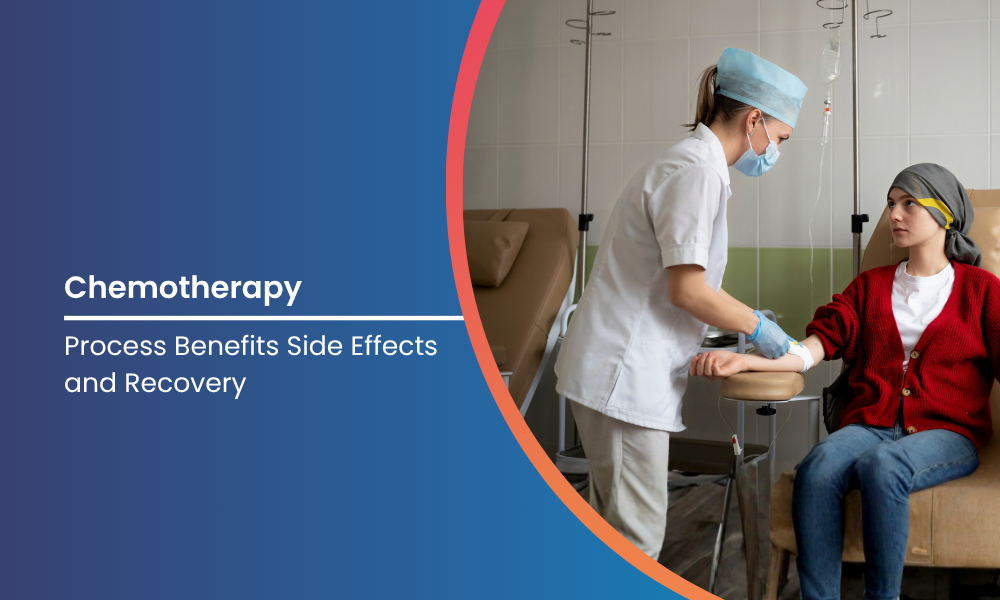
Chemotherapy may be given in different settings, including outpatient treatment centers or hospitals, depending on the medicine and treatment plan.
During treatment:
The patient receives chemotherapy medicine according to the prescribed schedule
Healthcare professionals monitor the patient
The duration depends on the type of medicine and delivery method
Some chemotherapy sessions may take minutes while others may require several hours.
Chemotherapy Cycles
Chemotherapy is usually given in cycles rather than continuously. A cycle includes a treatment period followed by a recovery period.
The break between cycles allows healthy cells time to recover while doctors monitor the treatment response.
The number of cycles depends on the cancer type, treatment goals and individual response.
Benefits of Chemotherapy Treatment
Chemotherapy remains an important part of cancer care because it can provide several potential benefits depending on the cancer condition.
Cancer Cell Control
Chemotherapy can help reduce the number of cancer cells and slow their growth.
Tumor Reduction
In certain situations, chemotherapy may shrink tumors before other treatments such as surgery or radiation.
Lower Risk of Cancer Recurrence
When used after surgery, chemotherapy may help reduce the possibility of cancer returning for some patients.
Symptom Management
For advanced cancers, chemotherapy may help control symptoms related to cancer growth and improve daily comfort.
Chemotherapy Side Effects
Chemotherapy side effects occur because treatment can affect some healthy cells along with cancer cells. The type and severity of side effects vary depending on the chemotherapy medicine, dose, treatment duration and individual health factors.
Not every patient experiences the same side effects.
Fatigue
Fatigue is one of the most common side effects of chemotherapy. Patients may feel more tired than usual during treatment.
Managing fatigue may include:
Balancing activity with rest
Maintaining nutrition
Following a suitable activity plan recommended by healthcare professionals
Hair Changes
Some chemotherapy medicines may affect hair follicles, causing hair thinning or hair loss. This effect depends on the type of medicine used.
Hair changes are often temporary, but patients should discuss expectations with their oncology team.
Nausea and Vomiting
Some chemotherapy medicines may cause nausea. Doctors may recommend medications and supportive strategies to help manage these symptoms.
Changes in Appetite
Some patients may experience reduced appetite or changes in taste during treatment. Nutrition support can help maintain strength during chemotherapy.
Lower Blood Cell Counts
Chemotherapy can sometimes affect bone marrow, which produces blood cells. Reduced blood cell counts may increase the risk of infection, fatigue or bleeding concerns.
Doctors regularly monitor blood counts during treatment.
Mouth and Digestive Changes
Some patients may experience mouth sensitivity, taste changes, constipation or diarrhea depending on the chemotherapy medicine.
The healthcare team can help manage these effects.
Managing Chemotherapy Side Effects
Supportive care is an important part of cancer treatment. Oncology teams work with patients to reduce discomfort and maintain quality of life during chemotherapy.
Strategies may include:
Following Medical Advice
Patients should take prescribed supportive medicines as directed and communicate any new symptoms to their healthcare team.
Maintaining Nutrition
A balanced diet can help support energy levels and recovery. Nutrition recommendations may vary depending on symptoms and treatment needs.
Preventing Infections
When blood cell counts are low, patients may need additional precautions to reduce infection risk. Doctors provide personalized recommendations based on laboratory results.
Emotional Support
Cancer treatment can be emotionally challenging. Counseling, support groups, and communication with loved ones may help patients manage stress during treatment.
Monitoring During Chemotherapy
Regular monitoring helps doctors evaluate treatment response and manage side effects.
Monitoring may include:
Blood tests
Imaging studies
Physical examinations
Symptom assessments
Based on these evaluations, doctors may continue, adjust, or modify the chemotherapy plan if needed.
Chemotherapy and Other Cancer Treatment Options
Cancer care often involves a combination of treatments. The recommended approach depends on the cancer type and individual patient factors.
Other cancer treatment options may include:
Surgery
Surgery may be used to remove tumors when appropriate.
Radiation Therapy
Radiation therapy uses targeted energy to destroy cancer cells in specific areas.
Immunotherapy
Immunotherapy helps the immune system recognize and fight cancer cells.
Targeted Therapy
Targeted therapies focus on specific cancer cell characteristics.
Oncologists may combine different treatments to create a personalized cancer care plan.
Recovery During and After Chemotherapy
Recovery after chemotherapy varies from person to person. Some individuals return to normal activities quickly while others may need additional time to regain energy.
Recovery depends on:
Type of chemotherapy received
Number of treatment cycles
Overall health
Presence of side effects
During Recovery
Patients may benefit from:
Adequate rest
Nutritious meals
Following follow-up schedules
Gradual return to daily activities
After Completing Chemotherapy
After treatment completion, doctors may schedule follow-up appointments to monitor health, evaluate treatment response and address any ongoing concerns.
Lifestyle Support During Chemotherapy
Healthy lifestyle habits can support overall well-being during cancer treatment.
Balanced Nutrition
Eating a variety of nutritious foods can help maintain strength. Patients should follow dietary advice provided by their healthcare team.
Physical Activity
Appropriate physical activity may help improve energy levels and overall health. Activity recommendations should be based on individual condition and medical guidance.
Adequate Rest
Sleep and rest are important during treatment and recovery.
Emotional Well-Being
Managing emotions during cancer treatment is an important part of comprehensive care. Patients may benefit from professional counseling or support networks.
When Should Patients Contact Their Oncology Team?
Patients should inform their healthcare team about new or worsening symptoms during chemotherapy.
Medical advice may be needed for:
Fever or signs of infection
Severe weakness
Persistent vomiting
Uncontrolled pain
New or concerning symptoms
Early communication helps healthcare professionals provide appropriate support.
Frequently Asked Questions About Chemotherapy Treatment
1. What is chemotherapy treatment?
Chemotherapy treatment uses medicines to target cancer cells and slow or stop their growth. It may be used alone or with other cancer treatments.
2. How does chemotherapy work?
Chemotherapy works by affecting rapidly dividing cells. It targets cancer cells but may also affect some healthy cells which can cause side effects.
3. How long does chemotherapy take?
The duration depends on the type of cancer, the chemotherapy medicines used and the treatment plan. Some patients receive chemotherapy for several weeks or months.
4. Is chemotherapy painful?
Chemotherapy itself is not usually painful, although some patients may experience discomfort during treatment or side effects afterward.
5. Does everyone lose hair during chemotherapy?
No. Hair loss depends on the type of chemotherapy medicine used. Some patients experience hair thinning while others may not have significant hair changes.
6. Can chemotherapy cure cancer?
Chemotherapy may help treat some cancers and may be part of a treatment plan aimed at eliminating cancer. The outcome depends on many individual factors including cancer type and stage.
7. What are common chemotherapy side effects?
Common side effects may include fatigue, nausea, appetite changes, hair changes and changes in blood cell counts. Side effects vary between individuals.
8. Can patients continue daily activities during chemotherapy?
Many patients continue some daily activities during treatment, although energy levels may vary. Doctors can provide guidance based on individual health status.
9. How are chemotherapy side effects managed?
Doctors use supportive medicines, monitoring and lifestyle guidance to help manage chemotherapy side effects.
10. What happens after chemotherapy is completed?
After chemotherapy, patients usually have follow-up appointments to monitor recovery, evaluate treatment response, and manage any ongoing concerns.