Cancer Treatment Process Stages Options and Recovery
Overview
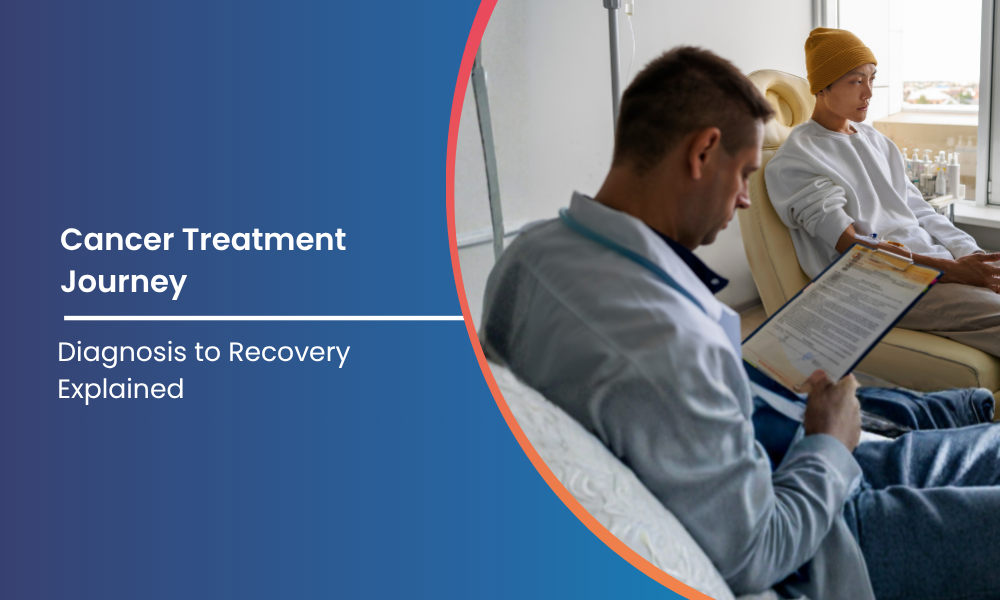
A cancer diagnosis can bring many questions, concerns, and uncertainties. Patients and their families often want to understand what happens after cancer is detected, how doctors decide on treatment, what different therapies involve, and what recovery may look like.
Although cancer treatment has advanced considerably, the experience is different for every patient. The type of cancer, its stage, overall health, treatment response, and personal preferences all influence the recommended approach.
Understanding the cancer treatment process helps patients participate in key healthcare decisions and prepare for each stage of treatment.
Cancer care extends beyond surgery, chemotherapy, or radiation therapy. It involves diagnosis, staging, personalised treatment planning, symptom management, rehabilitation, and long-term follow-up.
Modern oncology also emphasises emotional well-being, nutritional support, and quality of life throughout the cancer care journey.
This guide explains the major stages of cancer treatment, available cancer therapy options, potential side effects, recovery expectations, and the importance of ongoing medical care.
Understanding Cancer and the Importance of Early Diagnosis
Cancer develops when abnormal cells grow uncontrollably and may invade surrounding tissues. Some cancers can also spread to other parts of the body through the blood or lymphatic system, a process known as metastasis.
Cancer is not a single disease. It includes many conditions affecting different organs, tissues, and blood cells.
Common types include breast cancer, lung cancer, colorectal cancer, prostate cancer, cervical cancer, oral cancer, and blood cancers such as leukaemia and lymphoma.
Each type behaves differently and may require a specific treatment approach.
Why Early Cancer Detection Matters
Early detection may let doctors identify certain cancers before they spread widely. For many cancer types, diagnosis at an earlier stage can increase the range of potentially effective treatment options.
However, not all cancers cause symptoms early on, and not every cancer has an established screening test.
Regular health assessments and recommended cancer screening may help detect certain cancers in people who meet age-based or risk-based screening criteria.
Common Warning Signs That Require Medical Evaluation
Symptoms that may warrant medical attention include:
Unexplained weight loss or persistent fatigue
A new or changing lump or swelling
Unusual bleeding or discharge
Persistent coughing or hoarseness
Changes in bowel or bladder habits
Difficulty swallowing
A wound or sore that does not heal
Unexplained or persistent pain
Changes in the appearance of a mole or skin lesion
These symptoms do not necessarily indicate cancer. Many can occur with non-cancerous medical conditions.
However, persistent, unexplained, or worsening symptoms should be evaluated by a qualified healthcare professional.
Stage 1: Cancer Diagnosis and Medical Evaluation
The first stage of the cancer care journey involves identifying whether cancer is present and determining its characteristics.
An accurate diagnosis is essential because treatment recommendations depend on the specific type of cancer and its biological behaviour.
Initial Medical Consultation
The diagnostic process usually begins with a detailed medical evaluation.
A doctor may review the patient's symptoms, personal medical history, family history of cancer, previous illnesses, and relevant lifestyle or environmental exposures.
A physical examination helps identify abnormalities that may require further investigation.
Depending on the findings, the doctor may recommend laboratory tests, imaging studies, or specialist consultations.
Diagnostic Tests Used to Detect Cancer
1. Blood Tests
Blood tests may detect abnormalities in blood cell counts, organ function, or substances associated with certain cancers.
Although blood tests can provide important information, routine blood tests alone cannot confirm most cancers.
2. Imaging Tests
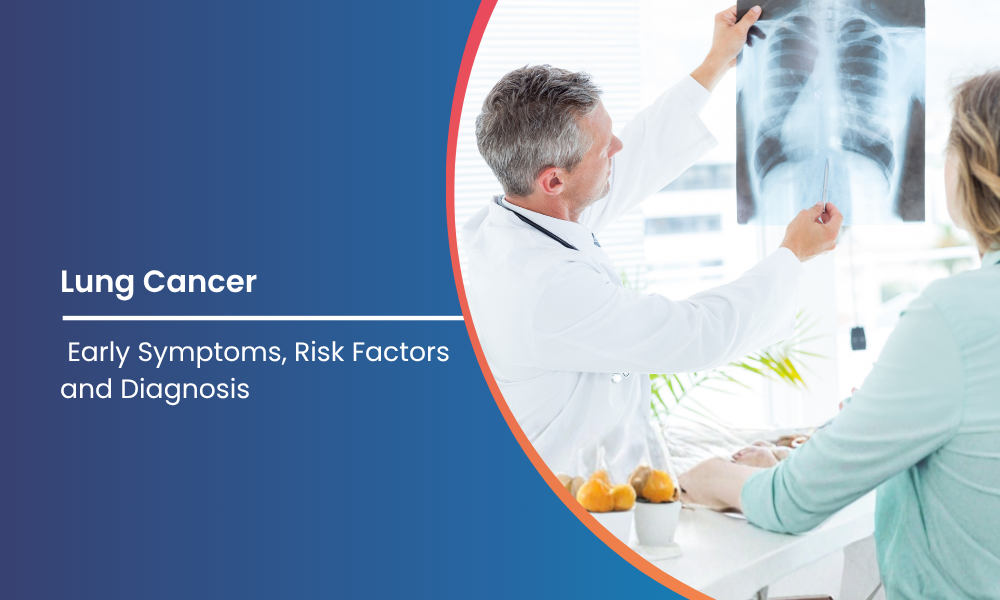
Imaging studies help doctors examine internal structures and assess suspicious areas.
Common imaging methods include ultrasound, X-rays, computed tomography (CT), magnetic resonance imaging (MRI), and positron emission tomography (PET), sometimes combined with CT.
The appropriate scan depends on the suspected cancer type and the clinical situation.
3. Biopsy
A biopsy involves collecting cells or tissue for a pathologist to examine.
For many cancers, a biopsy is the most reliable way to confirm the diagnosis.
The tissue examination helps identify the cancer type and, in some cases, provides information about its grade and biological characteristics.
4. Molecular and Biomarker Testing
Selected cancers may require additional tests to identify changes in genes, proteins, or other tumour characteristics.
These tests can help determine whether certain targeted treatments or immunotherapies may be suitable.
Biomarker testing is not necessary or useful for every patient. Its role depends on the cancer type, stage, and available treatment options.
Stage 2: Understanding Cancer Staging
After cancer is diagnosed, doctors often perform additional investigations to determine how far the disease has developed.
This process is known as cancer staging.
Cancer staging helps oncologists evaluate the extent of disease, recommend appropriate treatment, and discuss the likely course of illness.
What Do the Different Cancer Stages Mean?
Many solid tumours are classified using stages 0 through IV, although the staging system varies by cancer type.
Stage 0: Abnormal Cells Confined to Their Original Location
Stage 0 generally describes abnormal cells that have not invaded nearby tissues. Some cancers at this stage are described as carcinoma in situ.
Stage I: Early or Localised Cancer
Stage I often indicates that cancer is relatively small and limited to its original location. Treatment options depend on the affected organ and tumour characteristics.
Stage II: More Extensive Local Disease
Stage II may indicate a larger tumour or involvement of particular nearby structures. The exact definition varies among cancer types.
Stage III: Locally or Regionally Advanced Cancer
Stage III generally describes more extensive local or regional disease, sometimes involving nearby lymph nodes.
Stage IV: Cancer That Has Spread to Distant Sites
Stage IV usually indicates that cancer has spread to distant organs or tissues. Treatment commonly focuses on controlling disease, improving survival where possible, and maintaining quality of life. Some patients may benefit from specialised treatment approaches depending on their diagnosis.
These descriptions are broad. Not all cancers follow this system, and each stage's meaning depends on the specific disease.
What Is the TNM Staging System?
For many solid cancers, doctors use the TNM system:
T (Tumour): Describes the size or local extent of the primary tumour.
N (Nodes): Indicates whether regional lymph nodes are involved.
M (Metastasis): Indicates whether cancer has spread to distant sites.
Blood cancers and certain other malignancies use different staging or classification systems.
Importantly, cancer stage alone does not determine treatment outcomes. Tumour biology, overall health, and response to therapy also matter.
Stage 3: Developing a Personalised Cancer Treatment Plan
After diagnosis and staging, the oncology team develops a treatment plan.
This stage identifies medically appropriate treatment options aligned with the patient's needs and preferences.
How Oncologists Choose Cancer Treatment
Doctors consider several factors before recommending treatment:
Type and subtype of cancer
Stage and extent of the disease
Tumour grade and relevant biomarkers
Patient's age and general health
Existing medical conditions
Expected benefits and risks of treatment
Patient preferences and treatment goals
Cancer treatment may aim to eliminate the disease, reduce recurrence risk, control cancer growth, relieve symptoms, or maintain quality of life.
For some cancers, treatment is intended to achieve a cure. For others, especially certain advanced cancers, the primary goal may be long-term disease control or symptom relief.
The Role of a Multidisciplinary Oncology Team
Cancer management frequently involves specialists from multiple medical disciplines.
Depending on the case, the team may include medical oncologists, surgical oncologists, radiation oncologists, pathologists, radiologists, oncology nurses, dietitians, rehabilitation professionals, and palliative care specialists.
A multidisciplinary tumour board may review complex cases and discuss suitable treatment approaches.
This coordinated process helps ensure clinicians consider different factors before treatment begins.
Understanding Treatment Decisions and Second Opinions
Patients should understand why a particular treatment is recommended, its expected benefits, possible complications, and available alternatives.
Patients should also ask about costs, treatment duration, fertility, work, family responsibilities, and daily activities.
Seeking a second opinion can be appropriate, especially when treatment decisions are complex. Patients can discuss the timing of a second opinion with their oncology team to avoid unnecessary delays in care.
Stage 4: Exploring Cancer Therapy Options
Cancer treatment may involve one method or a combination of therapies.
The selection depends on the diagnosis, cancer stage, treatment objectives, and individual medical circumstances.
1. Cancer Surgery
Surgery commonly treats certain localised solid tumours.
The procedure may involve removing the tumour along with a margin of surrounding tissue. Clinically, surgeons may also assess or remove nearby lymph nodes.
Surgery may be performed to diagnose cancer, remove disease, relieve symptoms, or reconstruct affected areas.
The surgical approach depends on the tumour location, disease extent, and patient suitability.
Some procedures may use minimally invasive techniques, including laparoscopic or robotic-assisted surgery.
However, these approaches are not appropriate for every cancer or every patient.
Recovery depends on the surgery's complexity, the organs involved, and the patient's overall condition.
2. Chemotherapy
Chemotherapy uses medicines that destroy cancer cells or interfere with their growth and division.
It may be administered intravenously, orally, or through other routes depending on the prescribed medicines.
Chemotherapy may be recommended:
Before surgery to reduce tumour size, known as neoadjuvant treatment
After surgery to reduce the risk of recurrence, known as adjuvant treatment
As the main treatment for certain cancers
To help control advanced cancer or relieve symptoms
Chemotherapy is often delivered in treatment cycles separated by recovery periods.
Not every patient requires chemotherapy, and treatment schedules vary considerably.
3. Radiation Therapy
Radiation therapy uses high-energy radiation to damage cancer cells and limit their ability to multiply.
It may be recommended as a primary treatment, before or after surgery, or to relieve symptoms caused by cancer.
Modern radiation techniques include intensity-modulated radiation therapy (IMRT), image-guided radiation therapy (IGRT), stereotactic radiation treatment, and brachytherapy.
These techniques can help doctors deliver radiation accurately according to the treatment plan.
The suitability of a particular technique depends on the cancer site, tumour characteristics, and clinical objectives.
4. Immunotherapy
Immunotherapy uses medicines or other approaches that help the immune system recognise or fight cancer.
Certain immunotherapies, including immune checkpoint inhibitors, are used for selected cancers when clinical evidence supports them
However, immunotherapy does not work for every cancer or every patient.
Some treatments can also trigger immune-related inflammation affecting organs such as the lungs, bowel, liver, skin, or endocrine glands.
Patients receiving immunotherapy therefore require appropriate monitoring.
5. Targeted Therapy
Targeted cancer therapy acts on specific molecules or pathways involved in cancer cell growth.
For selected cancers, molecular testing can identify alterations that may respond to targeted medicines.
These treatments may help cancers with specific genetic or protein characteristics.
Nevertheless, not all tumours have an actionable target, and treatment resistance can develop.
Targeted therapy can also cause side effects, even when it acts more selectively than traditional chemotherapy.
6. Hormone Therapy
Hormone therapy is used for certain cancers influenced by hormones, particularly some breast and prostate cancers.
It works by reducing hormone production or blocking hormonal signals that support tumour growth.
Treatment may involve medicines and, in selected circumstances, procedures that affect hormone production.
The duration and approach depend on the specific diagnosis and treatment objectives.
7. Stem Cell Transplantation
Blood-forming stem cell transplantation may be considered for selected blood cancers and related conditions.
It can restore blood-forming cells following intensive treatment or form part of a more complex therapeutic strategy.
The procedure requires specialised assessment and carries significant potential risks.
It is not a standard treatment for most solid tumours.
8. Clinical Trials
Clinical trials evaluate cancer treatments, combinations, treatment schedules, and supportive care approaches.
Some patients may be eligible for trials investigating treatments that are not yet established as standard care.
Participation is voluntary and requires informed consent.
Patients should understand the potential benefits, uncertainties, eligibility requirements, and possible risks before enrolling.
Stage 5: Preparing for Cancer Treatment
After selecting a treatment plan, patients usually enter a preparation phase.
This stage helps identify medical issues that may affect treatment safety and provides an opportunity to address practical concerns.
Pre-Treatment Assessments
Depending on the prescribed therapy, doctors may request blood counts, kidney and liver function tests, heart assessments, infection screening, or additional imaging.
Some patients may require a central venous access device for intravenous treatment.
Others may need dental evaluation, nutritional assessment, or specialist review before starting treatment.
Discussing Fertility and Future Family Planning
Certain cancer treatments can affect fertility.
Patients who may wish to have biological children in the future should be given an opportunity to discuss fertility preservation before treatment begins, when medically appropriate.
Available options and their suitability depend on age, cancer type, treatment urgency, and individual circumstances.
Preparing Emotionally and Practically
A cancer diagnosis can affect family life, education, employment, finances, and emotional well-being.
Counsellors, psychologists, medical social workers, and patient navigators may help individuals manage these concerns.
Patients may also benefit from organising medical records, arranging transport, identifying a support person, and understanding whom to contact outside routine hospital hours.
Stage 6: Managing Side Effects During Cancer Treatment
Side effects are an important consideration during cancer treatment.
Not every patient experiences the same symptoms. Some have relatively mild effects, while others require medication adjustments or additional medical care.
The type and severity of side effects depend on the treatment, dose, patient health, and individual response.
Common Cancer Treatment Side Effects
Fatigue: Persistent tiredness can occur during or after treatment. Doctors may assess contributing factors such as anaemia, sleep disturbance, nutritional problems, or other illnesses.
Nausea and Vomiting: Certain treatments may cause nausea. Prescribed anti-nausea medicines can help prevent or control these symptoms.
Hair Loss: Some chemotherapy medicines cause temporary hair thinning or loss. Many cancer treatments do not cause hair loss.
Changes in Appetite: Taste changes, mouth discomfort, nausea, and reduced appetite may affect nutritional intake.
Lowered Blood Cell Counts: Some treatments reduce blood cells, increasing the risk of infection, anaemia, or bleeding.
Skin and Mouth Changes: Radiation and certain medicines may cause irritation, dryness, inflammation, or mouth sores.
Nerve Symptoms: Some medicines can produce tingling, numbness, or discomfort in the hands and feet.
Patients should report new or worsening symptoms rather than assuming they are unavoidable parts of treatment. Many treatment-related problems can be prevented, reduced, or managed with appropriate care.
When to Seek Urgent Medical Attention
Patients undergoing cancer therapy may need urgent assessment for symptoms such as:
Fever of 38°C or higher during chemotherapy, or a lower threshold specified by the oncology team
Sudden difficulty breathing or chest pain
Uncontrolled bleeding
Severe confusion or loss of consciousness
Inability to keep fluids down
Severe dehydration
Sudden weakness or other new neurological symptoms
Fever during chemotherapy can indicate a serious infection, especially when white blood cell counts are low.
Patients should follow their oncology team's emergency instructions and seek prompt medical evaluation when warning signs occur.
Stage 7: Nutrition, Physical Activity, and Supportive Care
Cancer treatment affects more than the tumour. It can influence strength, appetite, sleep, mood, and the ability to perform daily activities.
Supportive care is therefore an essential component of comprehensive oncology treatment.
Nutritional Support During Treatment
Adequate nutrition helps maintain health and supports recovery.
Some patients have difficulty eating because of nausea, taste changes, swallowing problems, or reduced appetite.
A clinical dietitian can recommend an individualised nutrition plan based on the patient's needs and treatment-related symptoms.
Patients should consult their oncology team before starting nutritional supplements, herbal products, or special diets because some products may interfere with treatment.
No particular food or diet has been proven to cure cancer.
Safe Physical Activity
Appropriate movement may help some patients maintain physical function and manage fatigue.
Depending on medical advice, activities may include gentle walking, stretching, or supervised rehabilitation exercises.
Activity recommendations should account for treatment effects, blood counts, bone health, recent surgery, and other safety considerations.
Patients should not push through symptoms such as dizziness, chest pain, severe weakness, or breathlessness.
Psychological and Emotional Support
Feelings of worry, sadness, anger, or uncertainty can arise at different stages of cancer care.
Psychological support, counselling, peer support groups, and social services may help patients and families manage these challenges.
Emotional care is a legitimate part of cancer management and should be available throughout treatment and recovery.
The Role of Palliative Care
Palliative care focuses on improving quality of life by addressing symptoms and the physical, emotional, and practical effects of serious illness.
It may begin at diagnosis and be provided alongside active cancer treatment.
Palliative care is not limited to the final stages of cancer. It can support patients at various stages of the disease.
Stage 8: Monitoring Cancer Treatment Response
Throughout cancer therapy, doctors assess whether treatment is achieving its intended purpose.
Monitoring may involve clinical exams, lab tests, imaging studies, and symptom evaluation.
Assessment frequency depends on the cancer type and treatment protocol.
How Doctors Evaluate Treatment Effectiveness
Treatment response may be described as:
Complete Response: No detectable evidence of cancer is found using the assessments performed.
Partial Response: The measurable extent of cancer has decreased.
Stable Disease: Cancer has not changed sufficiently to meet criteria for response or progression.
Progressive Disease: Cancer has increased in extent, or new disease has appeared.
A complete response does not always mean that cancer is permanently cured.
If treatment is not producing the expected response, the oncology team may reassess the treatment strategy.
Possible changes include modifying medication, considering another therapy, recommending a clinical trial, or adjusting care goals.
Patients should understand that a treatment change does not necessarily mean no further options remain.
Stage 9: Recovery After Cancer Treatment
Recovery is an important phase of the cancer care journey, but its duration varies.
Some patients recover relatively quickly from treatment-related effects. Others experience symptoms that persist for months or longer.
Certain cancers require ongoing maintenance treatment or prolonged monitoring rather than a clearly defined treatment endpoint.
Physical Recovery
Recovery may involve rebuilding strength, improving mobility, managing pain, and addressing treatment-related complications.
Patients recovering from surgery may need wound care and rehabilitation.
Those who have received chemotherapy or radiation therapy may require monitoring for persistent fatigue, changes in organ function, or other delayed effects.
Cancer Rehabilitation
Rehabilitation programmes may include physiotherapy, occupational therapy, swallowing rehabilitation, speech therapy, or specialised lymphoedema care.
The type of rehabilitation depends on the cancer site and treatment effects.
The objective is to help patients regain or maintain independence and perform daily activities as comfortably and safely as possible.
Returning to Everyday Life
Returning to work, studies, family responsibilities, and social activities may require gradual adjustments.
Patients may continue to experience physical and emotional challenges even after active treatment ends.
Healthcare professionals can help assess readiness for particular activities and recommend accommodations where appropriate.
View recovery as an individual process rather than a fixed timeline.
Stage 10: Follow-Up Care and Long-Term Cancer Survivorship
Completing active treatment does not mean that medical follow-up is no longer necessary.
Follow-up care helps clinicians monitor recovery, identify possible recurrence, and detect delayed treatment effects.
What Happens During Follow-Up Appointments?
Depending on the diagnosis, appointments may include physical examinations, blood tests, imaging, or other investigations.
Doctors may also review persistent symptoms, medication needs, nutritional status, emotional well-being, and general health.
Not every patient requires routine scans or tumour marker tests. Select follow-up investigations based on the specific cancer and established clinical recommendations.
Understanding Cancer Recurrence
Cancer recurrence occurs when cancer returns after a period during which it was not detectable.
Recurrence may occur near the original tumour site, in regional tissues or lymph nodes, or elsewhere in the body.
The likelihood of recurrence varies substantially by cancer type, stage, and treatment response.
Patients should report concerning new symptoms rather than waiting for the next scheduled appointment.
Why a Survivorship Care Plan Matters
A survivorship care plan can summarise the diagnosis, treatment received, potential late effects, recommended follow-up schedule, and contact details for relevant healthcare professionals.
It may also include guidance on appropriate screening, management of other health conditions, and emotional or rehabilitation support.
Ongoing follow-up care after cancer treatment should be tailored to the patient's diagnosis and individual needs.
How Patients and Families Can Navigate the Cancer Care Journey
Understanding treatment decisions can help patients feel more informed and prepared.
Open communication with the oncology team is important throughout diagnosis, treatment, and recovery.
Patients may find it useful to maintain a file containing pathology reports, scan results, prescriptions, discharge summaries, treatment schedules, and contact information.
Family members and caregivers can provide practical assistance, including transport, appointment coordination, and support with everyday responsibilities.
However, patients should remain involved in healthcare decisions to the extent they wish and are able.
Frequently Asked Questions About the Cancer Treatment Process
1. What is the first step in the cancer treatment process?
The first step is confirming the diagnosis through appropriate medical evaluation. Depending on the suspected cancer, doctors may recommend imaging, laboratory investigations, and a biopsy. Once the oncology team understands the cancer type and extent, they can develop an appropriate treatment plan.
2. How long does cancer treatment usually take?
Cancer treatment duration varies considerably. Some surgical treatments involve a relatively short hospital stay followed by recovery. Chemotherapy and radiation therapy may continue over weeks or months. Certain targeted treatments, immunotherapies, or hormonal therapies may be prescribed for longer periods. The oncologist can explain the expected schedule for an individual case.
3. Is chemotherapy necessary for every cancer patient?
No. Chemotherapy is not required for every cancer diagnosis. Some patients receive surgery or radiation therapy alone, while others may benefit from targeted therapy, immunotherapy, hormone therapy, or combined treatment. The recommendation depends on the cancer's characteristics and the patient's circumstances.
4. Can cancer be completely cured?
Some cancers can be cured, particularly when appropriate treatment successfully eliminates the disease. However, outcomes differ significantly among cancer types, stages, and individual patients. In other cases, treatment may control cancer over time or relieve symptoms. An oncologist can discuss prognosis using information specific to the diagnosis.
5. What is the difference between chemotherapy and radiation therapy?
Chemotherapy generally uses medicines that travel through the bloodstream and affect cancer cells throughout the body. Radiation therapy delivers high-energy radiation to a planned treatment area. Doctors may use either approach alone or combine them, depending on the cancer type and treatment goals.
6. Does cancer treatment always cause severe side effects?
No. Side effects vary by treatment and individual. Some patients experience mild or manageable symptoms, while others require more intensive supportive care. Modern cancer management includes strategies to prevent, monitor, and treat many common side effects.
7. What are the latest approaches used in cancer treatment?
Modern oncology includes approaches such as molecular testing, selected targeted therapies, immunotherapies, precision radiation techniques, and minimally invasive surgery. Their suitability depends on the cancer type, stage, available evidence, and patient characteristics. Newer treatment does not automatically mean better treatment for every patient.
8. Can patients continue working during cancer treatment?
Some patients can continue working or studying during treatment, while others need reduced schedules or temporary leave. This depends on their treatment plan, symptoms, type of work, and overall health. An oncology team can help assess appropriate activity levels and workplace or educational adjustments.
9. How long does recovery take after cancer treatment?
There is no universal recovery period. Recovery may take weeks, months, or longer depending on the cancer, treatments received, and any ongoing side effects. Rehabilitation and follow-up care can help patients manage ongoing challenges and gradually resume activities.
10. Why are follow-up appointments necessary after cancer treatment?
Follow-up appointments help monitor health, identify possible recurrence, and address delayed complications. They also provide opportunities to discuss emotional health, rehabilitation, general medical care, and any new symptoms. The schedule is personalised according to the patient's needs.
11. Can cancer return after successful treatment?
Yes. Some cancers can recur even after treatment has produced no detectable evidence of disease. The risk varies by cancer type, stage, and response to treatment. Regular follow-up and timely assessment of concerning symptoms remain important after completing active treatment.
12. How can family members support someone undergoing cancer treatment?
Family members can assist with appointments, daily responsibilities, practical arrangements, and emotional support. They can also help patients organise medical information and, when the patient wishes, communicate concerns to the healthcare team. Respecting the patient's preferences and independence is an important part of supportive caregiving.