



Chest & Lung Diseases
Pleural Effusion
Respiratory Diseases
Lung Cancer
Pulmonary Fibrosis
Pneumonia & Tuberculosis
Sleep Disorders
Asthma & Allergy Disorders
Bronchoscopy, Endobronchial Ultrasound (EBUS), Thoracoscopy
Pulmonary Rehabilitation
Interstitial Lung Disease (ILD)
COPD and Smoking-related Lung Disorders.
Respiratory Medicine
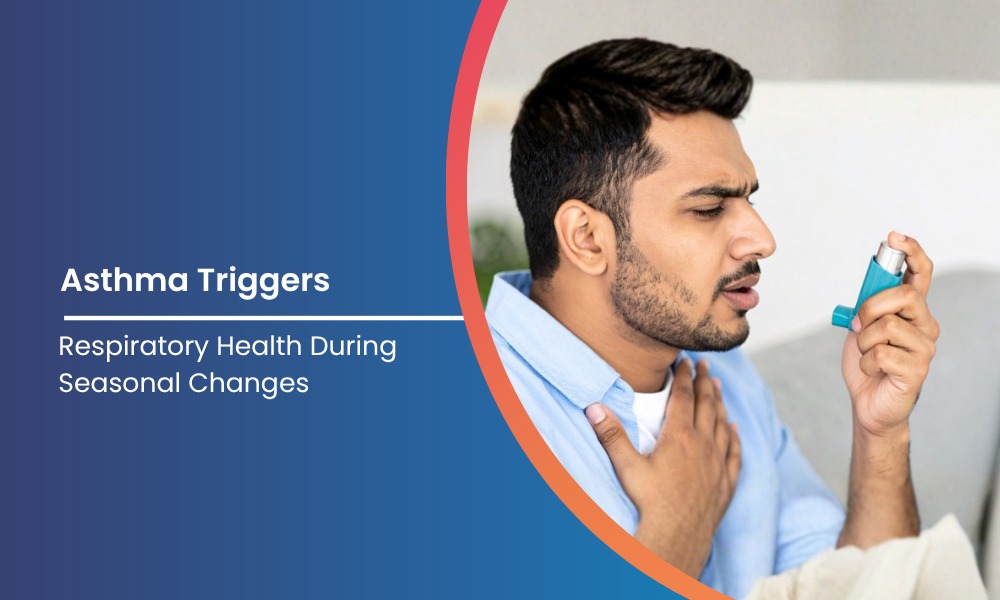
Asthma Triggers in Seasonal Changes and Respiratory Care
19 Sept 2026
Overview
Seasonal changes can bring noticeable shifts in temperature, humidity, air quality, and exposure to environmental irritants. For people with asthma or sensitive airways, these changes may increase the likelihood of breathing difficulties, coughing, wheezing, or chest tightness.
Asthma is a chronic respiratory condition in which the airways become inflamed and narrow, making it harder for air to move in and out of the lungs. While asthma can be well controlled with appropriate care, certain environmental factors can trigger symptoms or worsen existing respiratory problems.
Understanding common asthma triggers, recognising asthma symptoms, and following appropriate respiratory care strategies can help individuals manage their condition and maintain better lung health throughout seasonal transitions.
Seasonal changes do not affect everyone in the same way. Some people experience symptoms during colder months, while others notice worsening during humid weather, pollen seasons, pollution spikes, or periods of increased respiratory infections.
What Is Asthma?
Asthma is a long-term condition that affects the airways of the lungs. In people with asthma, the airways can become inflamed and overly sensitive to certain triggers.
When exposed to a trigger, the airway muscles may tighten, the lining of the airways may become swollen, and mucus production may increase. These changes can make breathing more difficult.
Asthma symptoms can vary from person to person and may also change over time.
Common asthma symptoms include:
Wheezing
Coughing
Shortness of breath
Chest tightness
Difficulty breathing, especially during activity or at night
Some people experience symptoms occasionally, while others may require regular management to keep their asthma controlled.
Why Seasonal Changes Affect Asthma
Weather transitions can influence asthma because they affect several factors that interact with the respiratory system.
Common seasonal influences include:
Changes in temperature
Humidity fluctuations
Increased pollen levels
Air pollution changes
Increased spread of respiratory infections
Exposure to indoor allergens
People with asthma may have airways that respond more strongly to these changes.
For some individuals, cold air can irritate the airways. For others, humid conditions, mould growth, or airborne allergens may worsen symptoms.
Common Asthma Triggers During Seasonal Changes
Understanding personal triggers is an important part of asthma management.
1. Pollen and Seasonal Allergens
Pollen from trees, grasses, and weeds can trigger airway inflammation in people who are sensitive to these allergens.
Seasonal pollen exposure may contribute to:
Increased coughing
Wheezing
Nasal symptoms
Chest tightness
Breathing discomfort
People who also experience allergic rhinitis may notice that nasal allergy symptoms and asthma symptoms worsen together.
2. Weather Changes and Temperature Fluctuations
Sudden changes in temperature can affect sensitive airways.
Cold air may cause airway irritation and trigger symptoms such as:
Coughing
Wheezing
Shortness of breath
Some people experience symptoms when moving between warm indoor environments and cold outdoor air.
Protecting the nose and mouth from cold air and following an asthma management plan may help reduce symptoms.
3. Humidity and Mould
High humidity can encourage mould growth indoors and outdoors.
Mould spores can act as asthma triggers for some individuals.
Common areas where mould may develop include:
Bathrooms
Damp walls
Basements
Poorly ventilated rooms
Areas affected by water leakage
Reducing moisture and improving ventilation can help limit mould exposure.
4. Air Pollution
Air pollution can irritate the respiratory system and worsen asthma symptoms.
Pollutants such as smoke, dust particles, and chemical irritants may increase airway sensitivity.
People with asthma may benefit from:
Monitoring air quality when possible
Avoiding heavy pollution exposure
Reducing indoor smoke exposure
Keeping indoor spaces well ventilated
5. Respiratory Infections
Seasonal changes are often associated with increased circulation of respiratory viruses.
Infections such as colds and influenza-like illnesses can trigger asthma flare-ups in some people.
Preventive measures such as hand hygiene, avoiding close contact with people who are sick, and following recommended vaccination guidance can support respiratory health.
6. Dust and Indoor Allergens
Indoor allergens can affect asthma throughout the year.
Common indoor triggers include:
Dust mites
Pet allergens
Mould
Household dust
Regular cleaning and reducing allergen exposure can support better symptom control.
Understanding Asthma Symptoms
Recognising asthma symptoms early can help prevent worsening episodes.
Common symptoms include:
Wheezing
Wheezing is a whistling sound while breathing, especially when breathing out. It occurs because air movement through narrowed airways becomes restricted.
Persistent Cough
Some people mainly experience coughing, especially:
At night
During exercise
After exposure to cold air
During seasonal changes
Shortness of Breath
People with asthma may feel that they cannot get enough air or become breathless during activities.
Chest Tightness
A feeling of pressure or tightness in the chest can occur when airways narrow.
Reduced Exercise Tolerance
Poorly controlled asthma may make physical activity more difficult because breathing becomes uncomfortable.
Symptoms can range from mild to severe. Even occasional symptoms should be discussed with a healthcare professional if they interfere with daily activities.
Asthma Flare-Ups: When Symptoms Worsen
An asthma flare-up occurs when symptoms become worse than usual.
Signs of worsening asthma may include:
Increasing breathlessness
More frequent coughing
Increased wheezing
Difficulty performing normal activities
Needing quick-relief medication more often than usual
A flare-up can sometimes develop gradually, while in other cases symptoms may worsen quickly.
People with asthma should know their personal warning signs and follow the action plan provided by their healthcare professional.
How Is Asthma Diagnosed?
Asthma diagnosis involves understanding symptoms, medical history, and how the lungs function.
A healthcare professional may ask about:
When symptoms occur
Possible triggers
Family history of allergies or asthma
Previous breathing problems
Response to medicines
Exposure to smoke, dust, or allergens
Lung Function Testing
Tests may include:
Spirometry
Spirometry measures how much air a person can breathe out and how quickly.
It helps assess airflow limitation and may support asthma diagnosis.
Peak Flow Measurement
A peak flow meter measures how well air moves out of the lungs. Some people use it to monitor changes in breathing over time.
Allergy Assessment
If allergies appear to contribute to asthma symptoms, allergy evaluation may be recommended.
Respiratory Care During Seasonal Changes
Good respiratory care focuses on preventing symptoms, identifying triggers, and following appropriate treatment plans.
Follow Your Asthma Management Plan
People with asthma should follow the treatment plan recommended by their healthcare professional.
This may include:
Taking prescribed controller medicines
Using inhalers correctly
Knowing when to use quick-relief medicines
Monitoring symptoms
Asthma treatment should not be stopped or changed without medical advice.
Learn Proper Inhaler Technique
Correct inhaler technique is important because it helps medicine reach the lungs effectively.
Many people unknowingly use inhalers incorrectly.
A healthcare professional can demonstrate the correct technique and review it periodically.
Avoid Known Triggers
Identifying personal triggers can help reduce exposure.
Useful steps include:
Avoiding smoke exposure
Reducing dust accumulation
Managing indoor moisture
Limiting exposure during high pollen periods
Wearing appropriate protection in dusty environments
Maintain Indoor Air Quality
Indoor air quality can influence asthma symptoms.
Helpful measures include:
Keeping rooms clean
Reducing indoor smoke
Improving ventilation
Fixing water leaks
Controlling mould growth
Managing Asthma During Different Seasons
Asthma During Monsoon and Humid Weather
Humidity and increased mould exposure during rainy periods can worsen symptoms in some people.
Helpful measures include:
Keeping indoor areas dry
Addressing dampness quickly
Avoiding mould exposure
Maintaining ventilation
Asthma During Winter
Cold air can trigger airway sensitivity.
Helpful measures may include:
Covering the nose and mouth in cold weather
Warming up before outdoor activity
Following prescribed asthma treatment
Asthma During High-Pollen Seasons
People sensitive to pollen may benefit from:
Limiting outdoor exposure during high pollen periods
Changing clothes after outdoor activities
Washing hair after significant pollen exposure
Keeping indoor spaces clean
Asthma and Exercise
Exercise is beneficial for overall health, and many people with asthma can remain physically active with proper management.
Some people experience exercise-induced symptoms, particularly when asthma is not well controlled.
Helpful approaches include:
Following prescribed treatment
Warming up before exercise
Recognising early symptoms
Discussing exercise-related breathing problems with a healthcare professional
Avoiding physical activity completely is not usually necessary unless advised by a doctor.
Asthma Prevention and Long-Term Management
Asthma cannot always be prevented, but symptoms can often be controlled effectively.
Long-term management includes:
Regular Medical Follow-Up
Periodic review helps assess whether asthma is controlled and whether treatment needs adjustment.
Avoid Smoking and Second-Hand Smoke
Smoke exposure can worsen airway inflammation and increase respiratory symptoms.
Manage Allergies
For people whose asthma is linked with allergies, controlling allergic triggers can improve respiratory health.
Maintain General Health
Healthy habits that support lung health include:
Regular physical activity
Balanced nutrition
Adequate sleep
Stress management
Avoiding respiratory irritants
When Should You Consult a Doctor?
Seek medical advice if:
Asthma symptoms are becoming more frequent
You need quick-relief medication more often
Symptoms interfere with sleep
Physical activity becomes difficult
Breathing problems are worsening
Your current treatment does not seem effective
Regular review is especially important when seasonal changes repeatedly trigger symptoms.
When Is Asthma an Emergency?
Seek urgent medical care if:
Severe breathing difficulty occurs
The person cannot speak comfortably because of breathlessness
Lips or fingertips appear bluish
Symptoms do not improve with prescribed emergency medication
There is severe chest tightness or exhaustion
Severe asthma attacks can become life-threatening and require immediate medical attention.
Supporting Children With Seasonal Asthma
Children can also experience asthma symptoms triggered by seasonal changes.
Parents should watch for:
Frequent coughing, especially at night
Wheezing during activity
Difficulty keeping up with peers
Repeated breathing problems during weather changes
A child with recurring breathing symptoms should be evaluated by a healthcare professional.
Frequently Asked Questions About Asthma Triggers and Seasonal Changes
1. What are common asthma triggers during seasonal changes?
Common triggers include pollen, temperature changes, humidity, mould, pollution, dust, and respiratory infections.
2. What are the main asthma symptoms?
Common asthma symptoms include wheezing, coughing, shortness of breath, chest tightness, and reduced exercise tolerance.
3. Can weather changes cause asthma?
Weather changes do not cause asthma, but they can trigger symptoms in people who already have sensitive airways.
4. Why does cold air worsen asthma?
Cold air can irritate the airways and may cause narrowing in some people with asthma.
5. Can allergies trigger asthma symptoms?
Yes. Allergens such as pollen, dust mites, and mould can trigger asthma symptoms in sensitive individuals.
6. How can I reduce asthma symptoms during seasonal changes?
Avoid known triggers, follow your asthma treatment plan, maintain indoor air quality, and seek medical advice when symptoms worsen.
7. Can asthma be cured?
Asthma is a chronic condition, but many people can achieve good symptom control with appropriate treatment and lifestyle management.
8. Should I stop exercise if I have asthma?
Not necessarily. Many people with asthma can exercise safely when their condition is properly managed.
9. When should I see a doctor for breathing problems?
Consult a healthcare professional if symptoms are frequent, worsening, affecting daily activities, or not controlled with your current plan.
10. Can respiratory infections worsen asthma?
Yes. Viral respiratory infections can trigger asthma flare-ups in some individuals.


