Air Pollution Health Effects on Lungs Heart and Body
Overview
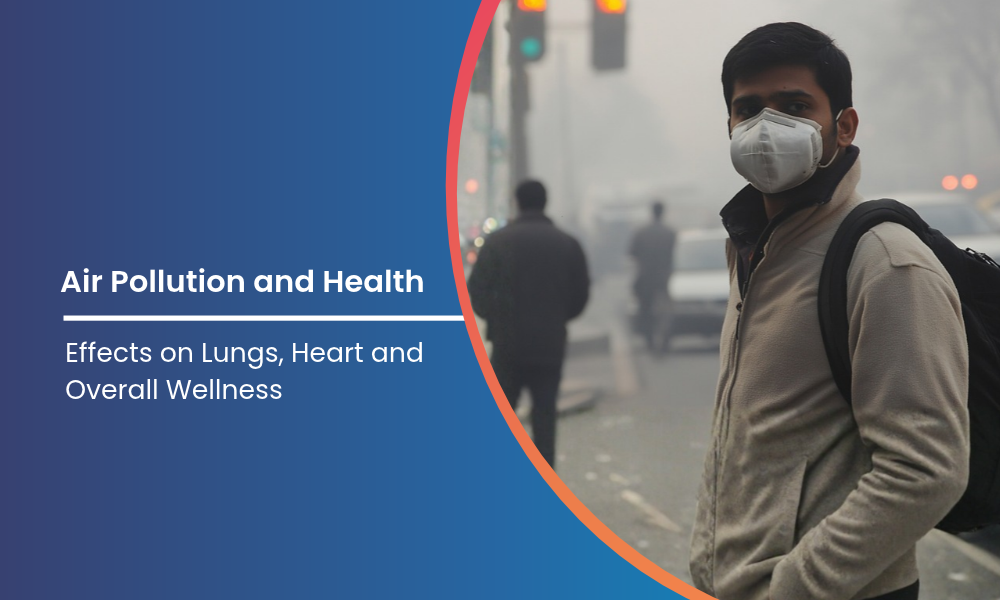
Air pollution has become a growing public health concern, affecting millions of people through the air they breathe every day. From vehicle emissions and industrial smoke to construction dust and seasonal smog, harmful pollutants can enter the body and affect several vital organs.
While coughing, throat irritation, and breathing difficulties are commonly associated with polluted air, the air pollution health effects extend beyond the respiratory system. Prolonged exposure can increase the risk of cardiovascular diseases, worsen existing medical conditions, and affect overall well-being.
During winter, when atmospheric conditions may trap pollutants closer to the ground, many cities experience particularly poor air quality. Children, older adults, pregnant women, and individuals with existing heart or lung conditions may be especially vulnerable.
Understanding pollution-related health risks helps you recognize symptoms, take preventive measures, and seek medical attention when needed.
This article explains how air pollution affects the lungs, heart, and other body systems, along with practical steps to reduce exposure and protect long-term health.
What Is Air Pollution and Why Is It Harmful?
Air pollution occurs when harmful particles, gases, and chemical substances accumulate in the atmosphere at concentrations that can affect human health.
These pollutants come from several sources, including vehicle exhaust, factories, construction, burning waste, power generation, and household cooking or heating fuels.
Air pollution can affect both outdoor and indoor environments. Outdoor pollutants may also enter homes, offices, schools, and other enclosed spaces.
When people inhale contaminated air, pollutants can irritate the respiratory tract and trigger inflammation. Extremely small particles can penetrate deep into the lungs, while certain pollutants can cause inflammation and other harmful effects throughout the body.
According to the World Health Organization, exposure to polluted air is associated with respiratory illnesses, cardiovascular diseases, stroke, and lung cancer.
The severity of these effects depends on pollutant concentration, exposure duration, individual susceptibility, and existing health conditions.
Major Types of Air Pollutants That Affect Health
Understanding common pollutants helps explain why poor air quality can affect different organs.
Particulate Matter (PM2.5 and PM10)
Particulate matter consists of microscopic solid particles and liquid droplets suspended in the air.
PM10 particles can enter the respiratory system, while smaller PM2.5 particles can travel deeper into the lungs and affect systems beyond the respiratory tract.
Fine particulate pollution is particularly concerning because it is linked to heart and lung diseases.
Nitrogen Dioxide (NO2)
Nitrogen dioxide is commonly released from vehicles, industrial activities, and fuel combustion. It can irritate the airways and worsen respiratory conditions, particularly asthma.
Sulfur Dioxide (SO2)
Sulfur dioxide is produced mainly by burning sulfur-containing fuels. Exposure can cause breathing discomfort and aggravate existing respiratory diseases.
Ground-Level Ozone
Ground-level ozone forms when pollutants react in sunlight. Unlike the protective ozone layer high in the atmosphere, ground-level ozone can irritate and inflame lung tissue.
Carbon Monoxide
Carbon monoxide forms from incomplete fuel combustion. It reduces the blood's ability to transport oxygen and can be especially dangerous when it builds up in enclosed spaces.
Effects of Air Pollution on the Lungs and Respiratory System
The respiratory system is directly exposed to environmental pollutants, making it particularly vulnerable to poor air quality.
1. Airway Irritation and Inflammation
Breathing polluted air can irritate the nose, throat, and bronchial passages.
Common symptoms include persistent coughing, throat discomfort, wheezing, chest tightness, and difficulty breathing.
Repeated exposure may contribute to ongoing airway inflammation, particularly among sensitive individuals.
2. Worsening of Asthma
Air pollution is a recognized asthma trigger.
Fine particles and gases can increase airway sensitivity, potentially causing more frequent asthma symptoms and exacerbations.
People with asthma may cough more, wheeze, or feel breathlessness during high-pollution periods.
Following an established asthma management plan and taking prescribed medicines remain essential.
3. Increased Problems in Chronic Obstructive Pulmonary Disease
Chronic obstructive pulmonary disease (COPD) is a long-term condition that restricts airflow.
Pollution exposure may worsen COPD symptoms and increase the likelihood of exacerbations requiring medical treatment.
4. Greater Susceptibility to Respiratory Illness
Pollutants can interfere with normal airway defenses, increasing susceptibility to certain respiratory infections.
Children, older adults, and individuals with pre-existing respiratory conditions may face greater risks.
5. Long-Term Lung Damage
Repeated exposure to polluted air is associated with reduced lung function, impaired lung development in children, and an increased risk of chronic respiratory diseases.
Long-term exposure to certain air pollutants is also linked to lung cancer.
These risks highlight the importance of reducing pollution exposure even when immediate symptoms are absent.
How Air Pollution Affects the Heart and Cardiovascular System
Air pollution is not only a lung-related concern. Research has established important connections between polluted air and cardiovascular health.
Increased Inflammation and Blood Vessel Damage
Fine particulate pollution can trigger inflammation and oxidative stress.
These processes may impair blood vessel function and contribute to the progression of cardiovascular disease.
Higher Risk of Heart Attack and Stroke
Short-term exposure to elevated pollution levels can increase the risk of cardiovascular events in susceptible individuals.
Long-term exposure is linked to the development and progression of atherosclerosis, a condition in which fatty deposits build up inside arteries.
The American Heart Association recognizes air pollution as an important environmental risk factor for heart attack, stroke, abnormal heart rhythms, and worsening heart failure.
Effects on Blood Pressure and Heart Function
Air pollution may increase blood pressure and impair blood vessel regulation.
People with hypertension, coronary artery disease, or heart failure should take additional precautions during periods of poor air quality.
Importantly, cardiovascular effects can occur without noticeable coughing or breathing difficulties.
Effects of Air Pollution on Overall Health and Wellness
The consequences of prolonged pollution exposure extend beyond the lungs and heart.
Brain and Cognitive Health
Research links long-term air pollution exposure to an increased risk of cognitive decline and certain neurological conditions.
Scientists continue to investigate how pollutant-related inflammation and vascular changes contribute to these effects.
Eye, Nose, and Throat Irritation
Smog exposure can cause watery eyes, burning sensations, nasal irritation, and throat discomfort.
People with allergies or respiratory sensitivity may notice worse symptoms on heavily polluted days.
Pregnancy and Infant Health
Exposure to air pollution during pregnancy has been associated with adverse outcomes, including premature birth and low birth weight.
Pregnant women should pay attention to local air-quality advisories and discuss specific concerns with their healthcare professionals.
Metabolic Health
Long-term air pollution exposure has also been associated with metabolic disturbances, including an increased risk of type 2 diabetes.
Although pollution is not the only contributing factor, reducing exposure forms part of broader preventive healthcare.
Who Is Most Vulnerable to Air Pollution Health Risks?
Although air pollution can affect anyone, certain groups face greater risks.
Children: Their lungs are still developing, and they may inhale more air relative to their body weight.
Older adults: Age-related changes and existing illnesses can increase vulnerability.
Pregnant women: Pollution exposure may affect maternal health and pregnancy outcomes.
People with asthma or COPD: Pollutants can trigger respiratory symptoms and exacerbations.
Heart patients: Individuals with hypertension, coronary artery disease, or heart failure may experience increased cardiovascular risks.
Outdoor workers: Traffic personnel, construction workers, delivery workers, and others may experience prolonged exposure.
People living near busy roads or industrial areas may also experience higher concentrations of certain pollutants.
Common Symptoms of Air Pollution Exposure
Pollution-related symptoms vary depending on the type and concentration of pollutants and individual sensitivity.
Common complaints include:
Frequent coughing or sneezing
Sore throat and nasal irritation
Burning or watery eyes
Wheezing or chest tightness
Shortness of breath
Headache or unusual fatigue
Worsening asthma or other existing respiratory symptoms
These symptoms aren't specific to pollution and can have several causes.
Seek emergency medical attention for severe difficulty breathing, persistent chest pain, fainting, sudden confusion, or other serious symptoms.
Persistent or worsening symptoms should be evaluated rather than automatically attributed to seasonal smog.
Understanding the Air Quality Index (AQI)
The Air Quality Index communicates pollution levels and their potential health implications.
India's Central Pollution Control Board classifies AQI into six categories:
Good (0–50): Minimal expected health impact.
Satisfactory (51–100): Possible minor breathing discomfort in sensitive individuals.
Moderate (101–200): Greater concern for people with lung or heart diseases.
Poor (201–300): Prolonged exposure may cause breathing discomfort.
Very Poor (301–400): Increased respiratory health concerns.
Severe (401–500): Potential adverse effects even among otherwise healthy individuals.
Higher AQI values generally indicate greater pollution-related health concerns.
Checking local AQI information before planning outdoor activities can help individuals make informed decisions.
However, AQI is a general indicator, not a personalized medical assessment. People with existing illnesses may experience symptoms at lower pollution levels.
Preventive Measures to Reduce Air Pollution Health Effects
Although individuals cannot completely control outdoor pollution, several practical precautions can reduce personal exposure.
Monitor Daily Air Quality
Check reliable AQI updates, particularly during winter or periods of visible smog.
When air quality is poor, consider reducing unnecessary outdoor activities and prolonged physical exertion.
Modify Outdoor Exercise
Physical activity supports cardiovascular and respiratory health, but strenuous exercise increases the amount of air inhaled.
During high-pollution periods, consider indoor exercise in a cleaner-air space instead of outdoor running or cycling.
Maintain regular physical activity when conditions are suitable.
Use Appropriate Respiratory Protection
When outdoor exposure is unavoidable, a well-fitting N95 or equivalent particulate respirator can help reduce inhalation of fine particles.
Loose-fitting cloth masks generally provide less reliable particulate protection. Respirators do not protect against all harmful gases.
Respirator suitability and fit require special consideration for children and people with breathing or heart conditions.
Improve Indoor Air Quality
Keep windows closed temporarily when outdoor pollution is particularly high, as long as you address indoor ventilation and safety needs.
A properly sized HEPA air purifier may help reduce indoor particulate concentrations.
Choose devices suited to room size, maintain filters, and avoid ozone-generating air cleaners. No purifier removes every pollutant.
Reduce Indoor Pollution Sources
Avoid smoking indoors, burning waste, and unnecessary use of incense, candles, or other smoke-producing products.
Use appropriate kitchen ventilation and maintain cooking appliances.
Bring in fresh air when outdoor air quality improves.
Follow Prescribed Treatment Plans
Individuals with asthma, COPD, hypertension, or heart disease should continue their prescribed treatment and attend regular medical reviews.
Do not change medication doses or start preventive medicines on your own just because pollution levels have increased.
Support General Health
Adequate sleep, balanced nutrition, hydration, and regular physical activity support overall health.
A diet rich in fruits, vegetables, whole grains, and other nutritious foods supports cardiovascular wellness.
However, no particular food, supplement, or home remedy can reliably neutralize the harmful effects of inhaled pollution.
When Should You Consult a Doctor?
Consult a doctor when symptoms persist, interfere with daily activities, or worsen during pollution episodes.
A general medicine physician may review the patient's symptoms, medical history, pollution exposure, and underlying health conditions.
Depending on clinical findings, the evaluation may include:
Physical examination and lung assessment
Pulse oximetry to assess oxygen saturation
Spirometry to evaluate airflow and lung function
Chest imaging when clinically indicated
Electrocardiogram or cardiovascular evaluation for relevant symptoms
Not everyone exposed to pollution requires these tests.
Patients with recurring breathing difficulties may be referred to a pulmonologist, while those with suspected cardiovascular problems may require cardiology assessment.
Treatment depends on the diagnosed condition and may include prescribed respiratory medicines, management of cardiovascular risk factors, and follow-up care.
Can the Body Recover From Air Pollution Exposure?
Some short-term effects, including mild airway irritation, may improve after exposure decreases.
However, recovery depends on exposure severity, existing medical conditions, and whether long-term damage has developed.
Chronic respiratory and cardiovascular diseases may require ongoing treatment rather than a short recovery period.
Regular medical follow-up is particularly important for people who experience repeated pollution-related symptoms.
Reducing future exposure can help limit additional health risks, even when past exposure cannot be reversed.
Why Air Pollution Prevention Is a Public Health Priority
Individual precautions matter, but sustained air-quality improvements require community-wide action.
Cleaner public transport, responsible waste management, industrial emission controls, improved construction-dust management, and cleaner energy sources can reduce environmental pollution.
Schools, workplaces, healthcare providers, and local authorities also play important roles in communicating air-quality risks.
Preventive healthcare therefore involves both individual health protection and broader efforts to create healthier environments.
Frequently Asked Questions About Air Pollution and Health
1. What are the most common air pollution health effects?
Common effects include coughing, throat irritation, wheezing, breathing discomfort, and aggravated asthma. Longer-term exposure is associated with increased risks of respiratory diseases, cardiovascular illness, stroke, and lung cancer.
2. Can air pollution cause permanent lung damage?
Long-term exposure can impair lung development, reduce lung function, and contribute to chronic respiratory diseases. Some effects may persist, particularly in individuals with existing conditions.
3. How does air pollution affect heart health?
Fine particles can trigger inflammation and affect blood vessel function. Exposure is associated with increased risks of heart attack, stroke, abnormal heart rhythms, and worsening heart failure.
4. What are the common smog effects on the human body?
Smog can irritate the eyes, nose, throat, and airways. It may cause coughing, chest tightness, breathing difficulties, and worsening symptoms among people with respiratory or cardiovascular conditions.
5. Is indoor air safer than outdoor air during pollution?
Indoor air may contain fewer outdoor pollutants when infiltration is limited and filtration is effective. However, cooking fumes, tobacco smoke, and other indoor sources can also create harmful pollution.
6. Do N95 masks protect against air pollution?
A properly fitting N95 respirator can reduce exposure to airborne particles, including PM2.5. It does not reliably filter harmful gases, and protection depends on fit and correct use.
7. Can air pollution affect healthy people?
Yes. Even people without existing medical conditions can experience irritation, respiratory symptoms, and other adverse health effects with sufficiently high or prolonged pollution exposure.
8. Should children avoid outdoor activities during high pollution?
When AQI levels are poor, it makes sense to reduce strenuous outdoor activities, especially for children with asthma. Activity decisions should consider local advisories and individual health needs.
9. Can drinking water or eating certain foods remove pollution from the lungs?
No food or drink can remove inhaled pollutants from lung tissue. Good nutrition and hydration support general health but cannot replace effective exposure reduction or medical treatment.
10. When should someone see a doctor for pollution-related symptoms?
Consult a healthcare professional for persistent coughing, recurring wheezing, worsening asthma, or unusual breathlessness. Severe breathing difficulties or chest pain require immediate emergency assessment.